
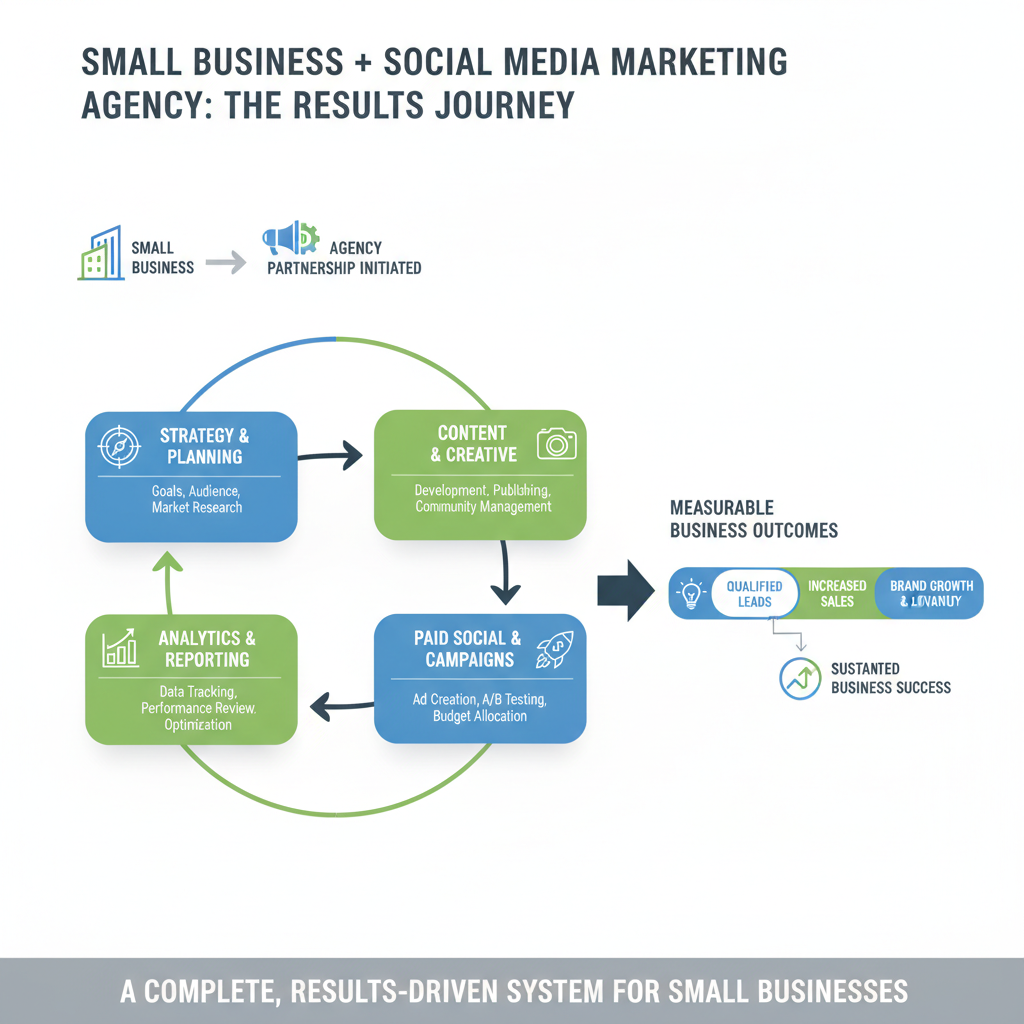
A social media marketing agency for small business can be especially valuable for florists, flower shops, wedding floral designers, plant boutiques, and local flower delivery brands. Floral businesses are naturally visual, seasonal, emotional, and location-driven, which makes social media a strong channel for showing bouquet styles, promoting occasion-based offers, building trust, and guiding customers toward orders, consultations, subscriptions, or store visits.
For a broader overview of how agencies support small companies, this social media marketing agency for small business guide explains the core strategy, content, advertising, and measurement principles. For a flower-focused business, those same principles need to be adapted around floral seasons, local delivery areas, event timelines, product availability, customer emotions, and visual storytelling.
Social media for a florist should not simply be a gallery of pretty arrangements. It should help customers understand what to buy, when to order, how delivery works, what makes one arrangement different from another, and why they should trust your shop for meaningful moments. When connected with Digital Marketing Services, search visibility, paid ads, website improvements, and analytics, social media can become part of a practical growth system rather than another daily task.
How a Social Media Agency Helps a Flower Business
A social media agency working with a floral business usually supports four connected areas: strategy, content production, community management, and performance measurement. Strategy defines which customers matter most, which platforms deserve attention, which floral occasions should be promoted, and how posts should lead people toward orders or enquiries.
Content production turns those decisions into bouquet photos, short videos, reels, stories, product highlights, wedding floral galleries, care tips, delivery reminders, and captions. A flower shop may need content for Valentine’s Day, Mother’s Day, graduations, weddings, sympathy arrangements, birthdays, anniversaries, corporate gifting, workshops, and seasonal collections. Without a plan, important selling periods can arrive before the content is ready.
Community management is also important for florists because customers often ask time-sensitive questions. They may want to know whether same-day delivery is available, what colours can be customized, whether a bouquet is pet-friendly, or how far in advance wedding flowers should be booked. An agency can help create reply guidelines, inbox workflows, review response support, and escalation steps for urgent requests.
Performance measurement connects social activity to business actions such as website orders, consultation requests, phone calls, quote forms, email signups, product views, and repeat purchases. A beautiful post may build brand preference, but the florist still needs to know whether social media is helping customers take the next step.
What Social Media Support Usually Includes for Florists
Flower businesses often need a balanced mix of organic content, paid campaigns, seasonal planning, website coordination, and reporting. Organic social can show your design style and build familiarity, while paid social can help promote delivery areas, seasonal collections, workshops, wedding consultations, or special offers to more specific audiences.
A practical monthly plan may include a content calendar, product photography direction, short-form video ideas, caption writing, story prompts, campaign setup, audience testing, pixel or conversion tracking, and performance reporting. If paid social is included, the agency should also review the website pages where customers will land after clicking.
- Audience and occasion research: The agency identifies whether the focus should be gift buyers, wedding couples, event planners, corporate clients, plant lovers, local residents, or repeat customers.
- Seasonal content planning: The agency turns holidays, wedding seasons, local events, and shop promotions into a publishing calendar.
- Creative production: The agency prepares bouquet visuals, short videos, carousels, captions, ad copy, care tips, and campaign variations.
- Paid social management: The agency builds campaigns, tests audiences and creative, manages budgets, and reviews lead or order quality.
- Analytics and reporting: The agency connects social activity to measurable actions through GA4, Google Tag Manager, conversion tracking, and dashboards.
When a Flower Business Should Consider Hiring an Agency
An agency can make sense when a flower shop needs consistent posting, stronger seasonal campaigns, clearer reporting, or better coordination between social media and online ordering. It is also useful when the florist has product knowledge and design talent but does not have time to plan, photograph, edit, publish, advertise, and measure content consistently.
Social media rewards consistency, but consistency without direction can waste time. Posting bouquet photos without clear calls to action, delivery details, product links, or booking prompts can create attention without enough business value. A good agency helps connect creative work to the next step customers should take.
An agency may not be the right first move if the shop does not have a clear offer, updated product pages, reliable delivery information, working enquiry forms, or a process for responding to incoming messages. In that case, the first priority may be improving the conversion path before increasing promotion.
A useful question is simple: if social media created more orders or consultation requests next month, could the business respond quickly, fulfill demand, and track which enquiries became sales? If the answer is no, the marketing plan should address those gaps before scaling campaigns.
Agency, Freelancer, or In-House: Which Fits a Florist?
Flower businesses often compare agency support with hiring a freelancer or assigning social media to someone in the shop. Each structure can work, but the right choice depends on content needs, ad complexity, budget, seasonal demand, reporting requirements, and available internal time.
Agency support
A) Full-service social media agency: A full-service agency can handle planning, creative direction, ads, tracking, and reporting through a coordinated process.
- How it works: Specialists support strategy, content, paid campaigns, analytics, and conversion recommendations.
- Best fit: This structure fits flower businesses that want social media connected to broader marketing activity, such as search, ads, website pages, and reporting.
- Example: A florist running seasonal social ads may also need landing pages, Google Ads Management, and conversion tracking reviewed together.
Freelance support
B) Independent freelancer: A freelancer can be efficient for editing reels, designing posts, writing captions, or scheduling content.
- How it works: The florist usually provides direction, product details, approvals, photos, and performance expectations.
- Best fit: This structure fits businesses that already have a clear strategy and mainly need production support.
- Example: A flower shop may hire a freelancer to turn weekly bouquet photos and seasonal promotions into posts, stories, and reels.
In-house execution
C) Internal employee or owner-led posting: In-house content can feel authentic because the person creating it is close to the flowers, customers, and daily shop activity.
- How it works: The internal person captures behind-the-scenes clips, shares new arrivals, answers questions, and posts real shop moments.
- Best fit: This structure fits florists with available time, simple campaign needs, and a clear brand voice.
- Example: A florist may personally film arrangement preparation while an agency supports paid campaigns, reporting, and content repurposing.
How to Judge a Florist Social Media Plan
A sound social media plan should explain how content supports business outcomes. A calendar that only says “post three times per week” is not enough. A flower business needs to know what each post is meant to do: inspire, educate, answer objections, promote a collection, drive online orders, encourage consultation bookings, or retarget previous website visitors.
The plan should also reflect the buying journey. Someone ordering a birthday bouquet today has different needs than someone planning wedding flowers for next year. A corporate client considering weekly office flowers may need different messaging than a customer looking for sympathy arrangements. The content strategy should account for those differences.
- Clear goal hierarchy: The plan separates awareness metrics from business metrics such as orders, quote requests, bookings, calls, and customer acquisition cost.
- Platform logic: The agency explains why Instagram, Facebook, Pinterest, TikTok, LinkedIn, or another channel is included.
- Creative testing plan: The agency tests different bouquet styles, hooks, offers, visuals, formats, and calls to action.
- Tracking setup: The agency confirms that GA4, Google Tag Manager, pixels, events, product pages, and forms are configured properly.
- Reporting rhythm: The agency explains what changed, why it changed, and what should be adjusted next.
Metrics Florists Should Track Beyond Likes
Likes, comments, shares, and follower growth can show whether floral content is attracting attention, but they do not automatically prove business value. A bouquet reel may receive engagement from people outside the delivery area, while a quieter campaign may generate more relevant local enquiries.
Flower businesses should separate platform metrics from conversion metrics. Platform metrics show what happens inside social networks. Conversion metrics show what people do after clicking, calling, messaging, ordering, or submitting a form.
- Reach and impressions: These numbers show how often content is being displayed and whether visibility is growing.
- Click-through rate: This metric shows whether the creative and message are strong enough to move people to the next step.
- Online orders or enquiry submissions: These actions show whether social media is helping customers move closer to purchase.
- Cost per lead or order: This helps compare paid social activity against other channels when tracking is accurate.
- Lead quality: This shows whether enquiries match the florist’s service area, budget, occasion, timeline, and offer.
- Conversion rate: This shows how effectively product pages, delivery pages, forms, or booking flows turn visitors into customers.
Social media reporting should also connect with SEO Services when customer questions suggest search opportunities. For example, if followers often ask about wedding flower timelines, flower care, delivery rules, or seasonal availability, those topics may deserve website pages, blog posts, or FAQ sections.
Common Social Media Mistakes Flower Businesses Make
Many florists struggle with social media because the work becomes reactive. Someone posts when the shop is quiet, boosts a post without a campaign structure, or starts promoting a holiday too late. The result is inconsistent data, inconsistent messaging, and missed opportunities during important selling periods.
Another common issue is separating social media from the website. A paid campaign may send visitors to a product page with limited details, unclear delivery information, no strong photos, or a difficult checkout process. In that situation, the ad may be blamed even though the conversion path is the real problem. Social media and Website Design & Development often need to be reviewed together.
- Posting without a next step: Content should guide interested customers toward an order, enquiry form, product page, consultation, or store visit.
- Starting seasonal campaigns too late: Floral holidays and wedding seasons need planning before demand peaks.
- Using one message for every customer: Gift buyers, wedding couples, corporate clients, sympathy customers, and repeat customers usually need different messaging.
- Ignoring delivery details: Customers often need clear information about service areas, cut-off times, pickup options, and substitutions.
- Judging campaigns too quickly: Paid social needs enough data to compare audiences, creative, placements, and landing-page behaviour.
- Tracking only platform activity: Phone calls, website orders, quote forms, inbox conversations, and repeat purchases can change the real performance picture.
What to Prepare Before Hiring an Agency
A social media agency can move faster when a flower business has clear offers, brand assets, customer insights, and basic performance history. The agency does not need perfect materials on day one, but scattered information can slow planning and production.
A simple shared folder can help. Include logos, bouquet photos, arrangement videos, product descriptions, pricing guidelines where appropriate, delivery information, testimonials, FAQs, brand colours, seasonal calendars, and examples of content you like. It also helps to define what the shop can realistically provide each month, such as new product photos, behind-the-scenes clips, or owner-led videos.
- Business goals: Define whether the priority is online orders, wedding consultations, event enquiries, subscriptions, store visits, corporate accounts, or customer education.
- Audience details: Share customer types, common questions, service areas, budget ranges, occasions, and buying timelines.
- Offer clarity: Identify which bouquets, arrangements, packages, subscriptions, workshops, or services should receive attention first.
- Access and assets: Prepare social account access, ad account access, brand files, photos, videos, website logins, and analytics access.
- Sales feedback: Share which enquiries became good customers, which were poor fits, and what customers asked before buying.
How Social Media Fits Into a Broader Floral Marketing System
For florists, social media is strongest when it works with the rest of the customer journey. A customer may discover a bouquet on Instagram, search your shop name on Google, compare delivery options, read reviews, visit your website, and then place an order or call. If those steps are disconnected, the business may lose customers even when the social content is attractive.
A practical marketing system may include social content, local SEO, paid search, paid social, email marketing, website improvements, conversion tracking, and remarketing. This matters because floral purchases are often time-sensitive and occasion-driven. Customers need confidence quickly, especially when ordering for birthdays, sympathy, anniversaries, weddings, or same-day delivery.
Zigma Internet Marketing supports social media as part of a wider performance system that can include SEO, PPC, landing pages, conversion rate optimization, content strategy, analytics setup, and dashboards. If you want a practical review of how social media could connect with your flower shop’s website, ads, and reporting, you can use 📩 Book a Free Strategy Call. You can also reach Zigma at (647) 556-6071 or [email protected].
FAQs About Social Media Marketing Agencies for Flower Businesses
How do I know if my flower shop is ready for a social media agency?
Your business is likely ready if you have clear offers, a working website or ordering process, updated delivery information, and enough capacity to respond to new enquiries. If product pages, tracking, or follow-up are weak, those areas should be improved before increasing campaign activity.
Which social platforms are best for florists?
The right platform mix depends on your audience and content capacity. Instagram and Facebook often fit visual local flower businesses. Pinterest may support wedding and event inspiration. TikTok or short-form video platforms can work when the shop can create frequent visual content. LinkedIn may fit corporate floral services and event partnerships.
Should a florist focus on organic social or paid ads first?
Organic social helps show style, trust, and shop personality. Paid ads can help promote specific offers, delivery areas, seasonal collections, or consultation requests. Many florists benefit from building organic foundations first, then using paid campaigns once the message, offer, and tracking are clearer.
How far ahead should flower businesses plan seasonal social campaigns?
Planning should begin before the buying period starts. Major floral occasions such as Valentine’s Day, Mother’s Day, wedding season, and graduation periods usually need content, product pages, ads, and delivery details prepared in advance.
What should be included in a florist’s social media report?
A useful report should show reach, engagement, clicks, orders, enquiries, calls, conversion activity, lead quality notes, campaign changes, and next actions. It should explain what the numbers mean for the flower business, not just list platform metrics without context.