
Choosing the Right Flowers for Sensitive Skin: What Gardeners Need to Know
Just as people have different skin tones and sensitivities, flowers also vary widely in their potential to cause skin reactions or allergies. For gardeners with darker or more sensitive skin, selecting the right flowers can help you enjoy your garden without discomfort. Understanding which flowers and handling methods are safest forms the foundation of a thriving and skin-friendly floral experience.
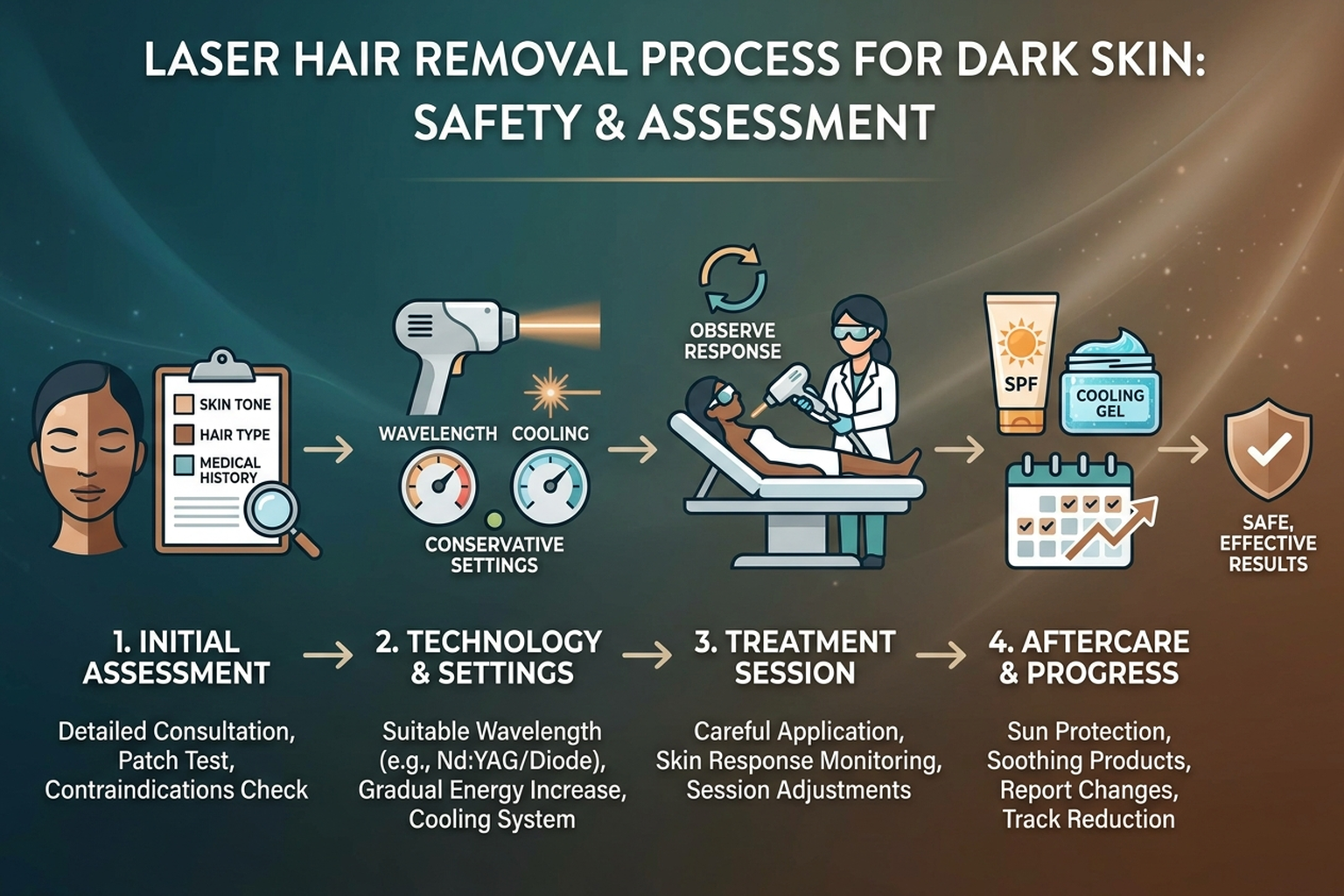
In the same way that laser hair removal requires careful assessment of skin and hair characteristics, choosing flowers to plant or arrange should involve knowledge of their properties and effects. For example, some flowers can release irritants or allergens that may be more reactive on melanin-rich skin prone to pigmentation changes. To learn more about how tailored care helps people with dark skin during laser treatments, you can visit this detailed guide on laser hair removal for dark skin, which emphasizes the importance of tailored approaches in beauty and skincare routines.
Why Some Flowers Require Extra Care for Sensitive Skin
Flowers produce a range of natural compounds that can cause skin irritation, allergic reactions, or pigmentation changes, especially on darker skin tones that may react differently to inflammation. Just as melanin in skin and hair influences how laser light is absorbed, the chemistry behind flowers’ pollen and oils determines their impact on your skin.
Responsible gardeners learn to recognize which blooms may pose more risk. For example, plants like marigolds, chrysanthemums, and foxgloves are beautiful but can sometimes cause contact dermatitis. Starting with less irritating species and testing small contact patches can prevent unpleasant skin reactions and ensure your gardening is a joyful experience rather than a source of redness or discomfort.
Quick facts about flower handling for sensitive skin
Essential tips for enjoying flowers safely.
- Awareness: Know which flowers commonly cause skin irritation or allergic reactions.
- Protection: Use gloves and avoid touching your face after handling flowers with potential irritants.
- Testing: Try a brief patch test with new flowers before extensive gardening or bouquet arranging.
- Preparation: Keep skin moisturized and avoid harsh soaps that increase sensitivity after gardening.
- Observation: Monitor your skin’s response and adjust flower choices accordingly.
Tools and Techniques for Skin-Safe Flower Gardening
Just as modern laser technologies have improved safety for diverse skin tones, contemporary gardening tools and methods can help protect sensitive skin. Wearing breathable gloves, using gentle pruning shears, and selecting flowers known for low allergenicity all contribute to safer interaction with your garden.
Regularly washing hands after gardening and applying soothing lotions can reduce the chance of inflammation or pigmentation changes. Keep in mind that skin sensitivity may fluctuate with environmental factors such as sun exposure or medication, so adapt your grooming habits accordingly.
How to Know Your Garden is Skin-Friendly
Experienced gardeners recognize the signs of safe flower choices by watching for irritation or itching after contact. A thoughtful approach includes these steps:
- Start with a small exposure: Touch a leaf or petal briefly and wait 24 hours to see if redness or bumps develop.
- Note your skin history: Consider any known allergies, eczema, or past reactions when selecting flowers.
- Consult reputable sources: Look for guidance about flower safety for your skin type.
- Avoid risk factors: Postpone gardening with certain blooms if you have recent sunburns, cuts, or irritated skin.
By carefully observing and responding to your skin’s reactions, your flower garden can become a source of comfort and joy rather than irritation.
First Steps in Creating a Skin-Safe Floral Arrangement
When bringing flowers indoors or arranging bouquets, preparation matters. Wash flowers gently to remove dirt and potential allergens, and consider wearing gloves to protect your hands. Be mindful of fragrance sensitivities and keep plants away from sensitive facial areas.
Gardeners often describe the touch of flowers as soothing, but some flowers’ pollen or sap may cause a tingling or burning sensation on sensitive skin. It’s best to introduce new varieties gradually and observe your skin before increasing exposure.
After handling flowers, rinse your hands with cool water and apply a gentle moisturizer. Steer clear of hot water, alcohol-based sanitizers, or fragranced lotions immediately after gardening, as these can exacerbate sensitivity.
Flower Care Compared with Other Plant Interactions
Similar to how hair removal options differ in effect and skin impact, interaction with plants varies:
| Approach | Effect on Skin | Consideration for Sensitive Skin |
|---|---|---|
| Direct Contact | Immediate skin exposure to pollen, sap, and oils. | May cause redness, itching, or pigmentation changes, especially on melanin-rich skin. |
| Gardening with Gloves | Barrier protection reduces skin irritation risk. | Preferred for handling sensitive flowers or plants. |
| Using Floral Essences or Extracts | Concentrated compounds can trigger allergic reactions. | Patch testing beforehand recommended. |
Choosing gloves and practicing safe handling often leads to the most enjoyable, irritation-free floral experiences.
How to Prepare and Care for Your Skin When Handling Flowers
Step 1: Know your skin’s history with allergens
Understanding your past reactions to plants, pollen, or irritants helps steer you away from troublesome flowers.
Practical result: You can avoid blooms more likely to provoke flare-ups or pigmentation.
Step 2: Protect skin from direct pollen and sap
Wearing gloves and washing hands promptly prevents prolonged contact with irritants.
Practical result: Reduced redness and allergic reactions.
Step 3: Avoid flowers with known irritants in high sun or heat
Sun exposure can amplify sensitivity; avoid gardening during peak UV times when working with potent flowers.
Practical result: Lower risk of pigmentation changes from inflammation.
Step 4: Keep your skin moisturized and gentle
Use non-irritating moisturizers after gardening to support the skin barrier and reduce dryness.
Practical result: Enhanced skin resilience and comfort.
Step 5: Monitor and adapt
Note any new reactions or changes in skin condition, and consult a dermatologist if irritation persists.
Practical result: Ongoing protection for sensitive or melanin-rich skin.
Questions to Ask Your Florist or Garden Center for Sensitive Skin
When purchasing plants or flowers, don’t hesitate to ask:
- Which flowers are hypoallergenic or low irritant?
- Are there safer flower varieties for sensitive or darker skin?
- Do you offer advice on proper handling to minimize skin reactions?
- Can you recommend skincare products suitable after flower exposure?
- What signs of allergy or irritation should I watch for?
Nurturing Your Garden and Your Skin Together
Enjoying flowers and gardening should be an enriching and safe experience for every skin type. Just as the Royal Laser and Skincare Clinic tailors laser hair removal to respect and protect darker skin tones by using suitable technology and expert assessment, you can nurture your skin alongside your garden by choosing the right flowers, practicing safe handling, and following simple aftercare.
For more insights into how individual skin characteristics influence beauty treatments, explore the original article here on laser hair removal for dark skin without the guesswork.
If you experience any concerns related to flower allergies or skin reactions, consulting a healthcare provider or dermatologist can provide personalized guidance.
FAQs About Flowers and Sensitive Skin
Yes, irritation or inflammation from contact with certain flowers can sometimes lead to post-inflammatory hyperpigmentation, especially on melanin-rich skin. Using gloves and minimizing exposure helps reduce this risk.
Flowers such as roses, orchids, and tulips tend to be milder, but individual sensitivity varies. Patch testing new flowers before extensive handling is recommended.
Rinse the area with cool water, apply a gentle moisturizer, and avoid sun exposure. If irritation persists or worsens, seek medical advice.
Allergic reactions can occur regardless of skin tone. However, the visible effects may be more pronounced or longer-lasting in darker skin due to pigmentation differences.
Yes, enjoying flowers visually or via scent from a safe distance is a way to appreciate their beauty without risking skin irritation.