
How Florists Can Reconnect with Flower Shoppers Before They Move On
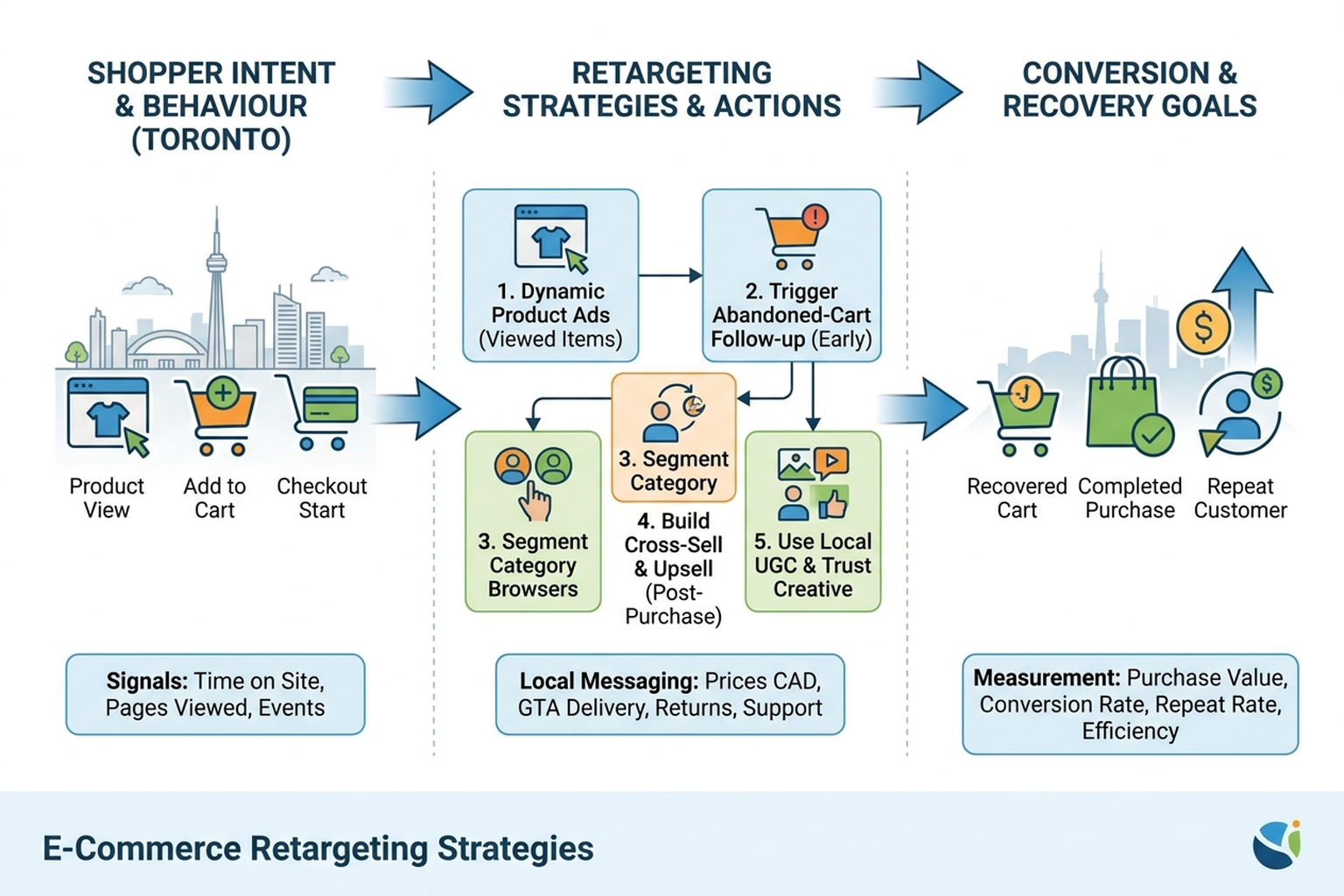
Retargeting campaign strategies tailored for flower retailers and floral shops use smart ads and follow-ups to engage customers who browsed bouquets, added arrangements to their cart, started checkout, or made past purchases. Since many shoppers often abandon carts—sometimes around 70%—a focused retargeting approach can recover sales that initial marketing efforts missed. Success hinges on delivering the right message, at the perfect time, with precise tracking and offers that resonate with each flower buyer’s behavior and needs.
Floral businesses, especially those serving vibrant markets like Toronto, benefit from campaigns that dissolve uncertainty about delivery timing, seasonal availability, care instructions, pricing in local currency, and return or exchange policies. Just because a shopper leaves a bouquet page, it doesn’t mean they lost interest. Often, they’re comparing different flower varieties, waiting for a special occasion, or confirming delivery dates before committing.
Retargeting blossoms best as part of an integrated marketing system. While initial traffic might come through paid channels such as Google Ads Management, the follow-up ads and messages should reflect precisely what the visitor did on your floral webshop.
Turning Browsing into Blossoming Sales with Retargeting
By leveraging data from website tags, floral product feeds, customer lists, and platform signals, retargeting displays relevant ads after a customer leaves your flower shop’s online store. For example, someone who browsed a specific rose bouquet might see that exact arrangement again on social platforms like Meta or Google Display. Customers who left fragrant lilies in their cart may get a gentle email nudge, while past buyers could be shown complementary floral gifts or seasonal add-ons after delivery.
The critical factor is buyer intent. General advertising introduces your flower brand to new audiences, but retargeting speaks to those who already showed interest by exploring your product pages or starting checkout. Someone reading care tips on orchids deserves different messaging than a shopper paused at your payment page.
Effective tracking is the root of all this. Actions such as bouquet views, add-to-cart, checkout begins, purchases, and newsletter sign-ups need to be tracked accurately using a pixel and properly set tag manager. Zigma can align these capabilities with Website Design & Development optimized for florists, ensuring returning visitors land on pages designed to convert their flower interest into orders.
Why Toronto Flower Buyers Expect a Localized Shopping Experience
Toronto’s flower enthusiasts choose from many Canadian, U.S., and international florists online. Florists serving this market gain an edge by making their ads and landing pages crystal clear—displaying pricing in CAD, providing realistic delivery estimates within the GTA (Greater Toronto Area), offering local pickup options, and sharing transparent refund and exchange policies.
Local vibes also boost credibility. Featuring user-generated content, like photos of bouquets delivered to a stylish downtown condo or floral arrangements thriving on a Toronto balcony during winter, connects the product story to real-life local settings rather than just generic city imagery. This authenticity builds trust especially for floral gifts or seasonal arrangements.
Back local promises with reliable operations
Promising “same-day Toronto delivery” can convert browsers into buyers—but only if your inventory, courier partnerships, and order fulfillment truly support it. Floral businesses should tailor campaigns according to delivery zones, differentiating between downtown Toronto, North York, Scarborough, Etobicoke, and surrounding GTA areas to match actual service coverage. Honest messaging protects budget and keeps customer satisfaction blooming.
Six Retargeting Campaign Tips for Flourishing Flower Shops
Effective campaigns flow according to the buyer’s intent. Start targeting those nearest to purchase, then expand to casual category browsers and repeat customers. Frequency caps and excluding recent purchasers prevent wasted budget and poor customer experiences caused by repetitive ads.
Strategy 1: Dynamic product ads for viewed bouquets and carts
Dynamic product ads pull bouquet names, images, prices, and availability from your flower catalogue. Instead of generic florist ads, you show exactly the arrangement a shopper viewed or left behind. Ideal for florists with many bouquet styles, seasonal flowers, colors, or customizable options.
Audience: Segment separately for bouquet viewers, cart abandoners, and checkout abandoners.
Creative detail: Clearly highlight Canadian value like “Prices in CAD” or “Free GTA delivery” only where accurate.
Example: A shopper who browsed a Valentine’s Day rose bouquet sees that exact bouquet and size options along with delivery timelines instead of unrelated floral designs.
Strategy 2: Prompt follow-ups for abandoned bouquets
Don’t wait for checkout starts alone; catch those adding a bouquet to their cart but hesitant to enter payment details. Send an email reminder within 30 to 60 minutes while the interest in fresh flowers is still strong.
Timing: Provide helpful info: confirm the bouquet’s freshness, answer delivery or return queries, and offer a simple return-to-cart link.
Guardrail: Stop messages immediately after purchase, and pause if stock changes.
Example: A florist can remind the shopper about the rose bouquet’s care instructions and Canadian delivery policies before offering discounts.
Strategy 3: Differentiate casual flower browsers from serious bouquet shoppers
A shopper who just looked at the “Spring floral collection” shows less intent than someone reviewing a specific tulip bouquet’s size or color options. Tailor ads for category browsers highlighting bestsellers or seasonal picks; product-level visitors need direct links back to the bouquet they viewed.
Audience: Use time on site and event data to separate window shoppers from close-to-buying visitors.
Budget control: Prioritize budgets on cart and checkout audiences over broad page viewers.
Example: A floral shop might show a “Top Spring Bouquets” ad to category browsers but a precise image and price of a specific tulip bouquet to strong buyers.
Strategy 4: Upsell and cross-sell bouquets and gifts post-purchase
Retargeting does not stop at the first bouquet sale. After delivery, suggest complementary items like chocolates, vases, or greeting cards. The recommended add-ons should feel naturally connected.
Cross-sell: Offer flower food sachets or leafy plant accents to enhance bouquet life.
Upsell: Feature premium arrangement upgrades, larger bouquet sizes, or seasonal bundles.
Example: Promote matching scented candles or luxury wrapping paper after a customer buys a mother’s day bouquet.
Strategy 5: Use local customer photos and reviews to build trust
Beautiful professional photos are essential, but customer images, testimonials, video demonstrations, or influencer content from Toronto flower lovers can ease hesitation and foster trust. When your flowers thrive in a local environment, showing that authenticity is particularly impactful.
Creative test: Compare product-only shots vs. customer photos showing bouquets in real Toronto homes or offices.
Compliance: Always get permission before featuring user content in paid promotions.
Example: A floral brand might share a customer video demonstrating how an arrangement stayed fresh during a snowy Toronto winter with clear delivery assurances.
Strategy 6: Control ad frequency, exclusions, and measure wisely
Too many repeated ads annoy flower shoppers and waste budget. Control how often ads serve, rotate different creative versions, and exclude recent purchasers or customers who returned items. Measure results by recovered sales and profit, not just impressions or clicks.
Measurement: Track conversion rate, average order value, repeated bouquet orders, and cost per recovered sale.
Testing: Adjust one factor at a time—audience size, ad creative, timing, landing page, or frequency cap.
Example: A florist may find a 7-day cart abandonment window recovers more orders than a 30-day window where shopper interest fades.
Choosing a Digital Marketing Partner for Your Flower Business
An agency focused on e-commerce retargeting for florists should clearly explain how audience data is gathered, how new customer segments are identified, and how results are verified. Beautiful ad designs alone won’t fix poor tracking, unappealing product pages, or outdated flower catalogues.
Flower shops in Toronto should partner with agencies that integrate paid media management with fast, visually appealing websites, updated flower feeds, effective email marketing, and continual landing page optimization. A digital marketing agency toronto florists trust will discuss cost per bouquet sold, customer loyalty, and lifetime flower gifting value just as much as acquisition costs.
- Ownership of tracking: Make sure your agency gives you access to ad accounts, analytics data, feed management, and tag settings.
- Audience clarity: Request clear explanation of segments such as visitors, bouquet cart abandoners, checkout starters, and repeat buyers.
- Quality reporting: Get reports that connect ad spend to orders and revenue, not simply ad impressions.
- Technical support: Choose an agency that will help fix pixel errors, product feed mismatches, slow-loading bouquet pages, and checkout hurdles.
Zigma Internet Marketing provides comprehensive Digital Marketing Services tailored for e-commerce floral businesses, covering paid ads, analytics setup, content creation, and site optimization to help flower shops grow online.
Factors Impacting ROI in Modern Floral Marketing
Retargeting success isn’t just about ad bids. Your ROI also depends on how well your flower selection fits customer demand, bouquet availability, website speed, clear product descriptions including flower care, checkout ease, delivery transparency, and reliable attribution systems. Even the most relevant floral ad can’t close a sale if your checkout process is confusing or your bouquet stock is incorrect.
For digital marketing toronto flower shops, separating prospecting from retargeting and understanding their combined role in sales performance creates a clearer view of campaign effectiveness. Retargeting often receives credit for sales that began via organic search, email, or social media, so data interpretation must consider the full buyer journey.
- Accurate flower feed management: Ensure dynamic ads have up-to-date names, images, stock status, sizes, and destination links.
- Conversion rate optimization toronto: Fast-loading bouquet pages, clear shipping details, and streamlined checkout help returning customers finalize orders.
- Privacy-compliant tracking: Configure pixels and analytics in line with current consent and platform rules.
- Creative relevance: Use distinct messages for flower browsers, cart abandoners, and repeat customers.
Balancing SEO and PPC for Flower Shops’ Remarketing
SEO Services and paid retargeting serve distinct roles in the flower buyer’s path. SEO attracts new flower shoppers researching bouquets or comparing blooms through unpaid search results, while PPC retargeting re-engages people already familiar with your shop. Both are vital complements.
A seo company toronto specializing in florists helps improve visibility for flower categories and enhances product pages with useful content. Meanwhile, google ads management toronto supports shopping campaigns, search ads, and precise retargeting for warm audiences.
- Use SEO to capture enduring flower demand: Optimize category pages, buying guides, care tips, and comparison content to attract shoppers before they know your brand.
- Use PPC for defined, immediate reach: Target high-intent flower searches, shopping placements, and retargeting with controlled budgets.
- Use retargeting to nurture warm flower leads: Encourage buyers who showed interest but didn’t convert to complete their bouquet purchase.
How Flower Shops in Toronto Can Stand Out Online
Toronto florists compete with large flower marketplaces, established Canadian retailers, and international sellers. Winning often starts with clear, trustworthy information rather than louder ads: displaying CAD pricing, offering reliable local delivery, showcasing flower expertise, responsive customer service, and easy-to-understand return policies before checkout.
Local seo gta also benefits florists with physical shops, local pickup, or specific service areas. Optimizing your Google Business Profile helps potential buyers find up-to-date store hours, locations, reviews, and contact info especially when you combine online with in-person service.
- Earn trust before retargeting starts: Flower pages should answer questions about bouquet sizes, flower freshness, care instructions, warranty, and returns clearly.
- Create a compelling first impression:website design toronto projects should prioritize fast mobile browsing, intuitive collection filters, quick image loading, and seamless checkout.
- Use content marketing to ease flower-buying hesitation:content marketing toronto can share floral education, bouquet comparisons, seasonal floral tips, and customer stories.
- Connect marketing spend with flower sales revenue: A lead generation agency toronto that understands e-commerce will report on orders and sales quality, not just leads.
Common Retargeting Mistakes that Wither Sales Potential
Many floral campaigns falter because their audience targeting is too broad or they ignore the nuanced buyer journey. Flooding past visitors with one-size-fits-all promotions wastes budget and annoys customers who may have purchased elsewhere or already completed an order.
Another pitfall is relying solely on platform-reported attributions. An ad might be credited for a sale influenced by search, email, or organic research. Use both platform and analytics data to get the full picture before adjusting budgets.
Effective floral retargeting is precise.
Bouquet viewers need product-focused messages.
Cart abandoners want reassurance about delivery and freshness.
Past customers should receive relevant follow-ups, not repeated acquisition ads.
Finding a Practical Retargeting Partner for Your Floral Business in Toronto
A skilled ppc agency toronto will audit your tracking setup before increasing ad spend, ensure product feeds are accurate for your floral inventory, and create audience segments based on meaningful customer actions. Their service should include reviewing your site’s landing pages and checkout process because no ad can make up for a poor flower-buying experience.
Based in Markham and serving Toronto and the GTA, Zigma Internet Marketing combines paid advertising, product-feed management, GA4 and Google Tag Manager expertise, technical SEO, and conversion-focused design. As a Google Partner, Zigma delivers transparent reporting connecting ads to orders, revenue, and efficiency.
When exploring online marketing toronto options or seeking a marketing agency gta team, the first conversation should revolve around your flower inventory, customer journey, business realities—not generic promises.
Plan a More Blooming e-Commerce Retargeting Program
Discuss custom audience segmentation, flower-product-feed quality, conversion tracking, and landing page improvements with Zigma Internet Marketing.
FAQs About Retargeting for Flower Retailers
A first email reminder within 30 to 60 minutes is ideal to keep the bouquet fresh in the shopper’s mind. Paid retargeting can start shortly after the cart event but monitor ad frequency carefully to avoid overwhelming the customer with repeated ads.
No. Bouquet browsers may need education, reviews, or comparisons, while cart abandoners have shown stronger intent and benefit from messages addressing delivery, payment options, or stock confirmation.
Helpful local info includes CAD pricing, GTA delivery timing, local pickup availability, Toronto-based customer support, and Canadian return policies. Avoid vague location mentions that don’t impact purchase decisions.
Yes. Post-purchase retargeting encourages accessories, replenishments, upgrades, and future gifting. Match offers clearly to the original bouquet, and exclude buyers from coupons on the same item unless repeat purchases make sense.
Track conversion rate, average bouquet value, repeat buyers, cost per recovered sale, product stock levels, and profit margins. Check platform data alongside website analytics to avoid biased budget decisions.
Your Florist’s Retargeting Checklist
Start with precise event tracking and end with a seamless purchase experience that addresses customer questions. Prioritize cart and checkout retargeting audiences, use dynamic ads tied to your current flower inventory, localize your promises with real Toronto operations, and exclude buyers from acquisition ads.
Review campaign results by audience group instead of lumping all retargeting together. This way, you’ll identify if challenges lie in creative relevance, product page clarity, delivery communication, checkout friction, or performance measurement.
Related Flower Marketing Topics:
For those interested in the original source and broader digital marketing strategies, visit the full article on retargeting campaigns for Toronto e-commerce businesses here.