
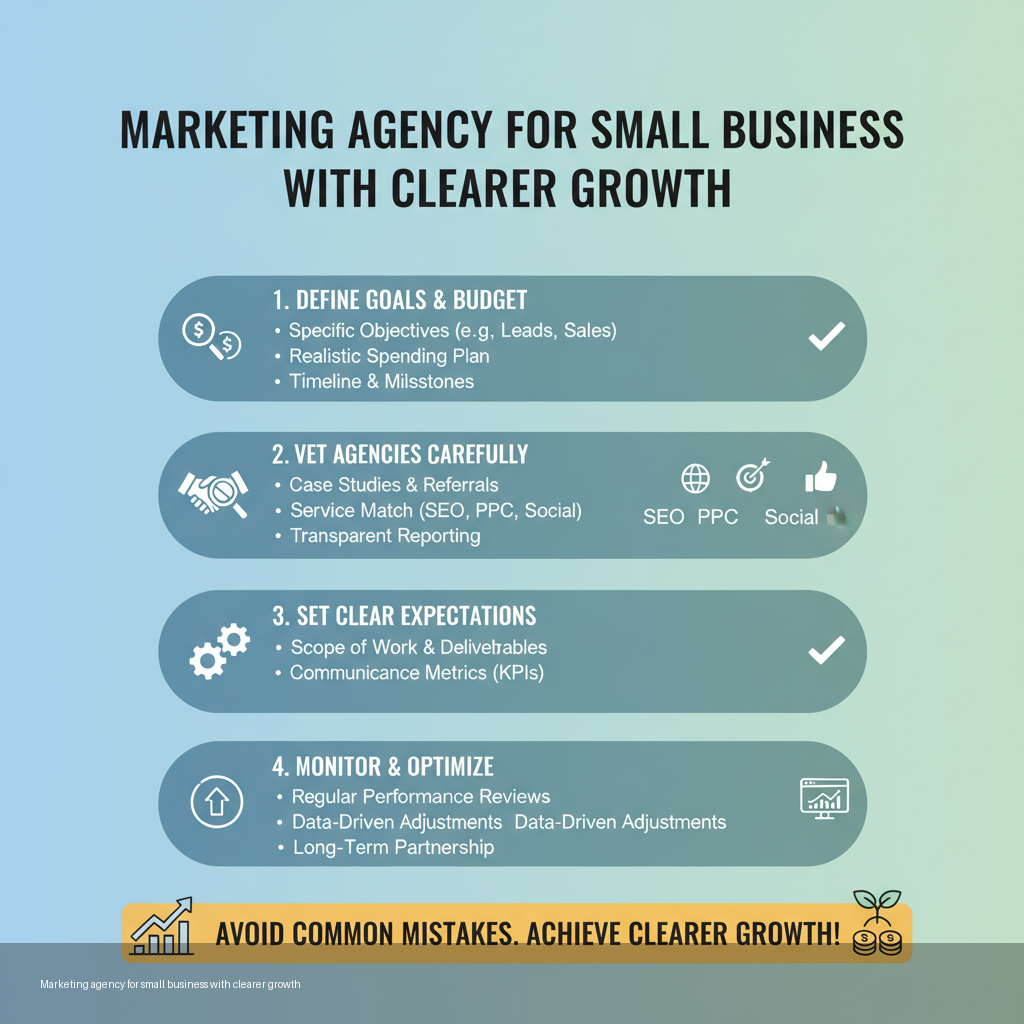
A marketing agency for small business can help florists, flower shops, floral designers, garden boutiques, and flower delivery businesses turn seasonal interest into a more consistent flow of enquiries, orders, and bookings. In the flower industry, marketing is not just about posting beautiful bouquets online. It is about helping the right customers find you when they need birthday flowers, wedding florals, sympathy arrangements, corporate displays, event installations, or local flower delivery.
For a broader digital marketing perspective, this guide builds on the original article, Marketing Agency for Small Business Made Practical, while reframing the topic for flower-focused businesses. The core idea remains the same: scattered activity rarely produces dependable growth. Florists need structure, measurement, and clear priorities so marketing supports real business goals.
Many flower businesses already do some marketing: posting arrangements on Instagram, updating a website before Valentine’s Day, boosting Mother’s Day promotions, or sending occasional emails. The problem is that these efforts often happen separately. A strong marketing plan connects search visibility, paid campaigns, local listings, product pages, seasonal content, delivery information, and tracking into one system. If you are unsure whether outside support makes sense, reviewing professional Digital Marketing Services can help clarify what an agency actually manages.
Why Flower Businesses Need a Structured Marketing Plan
Flower businesses face a unique mix of planned and urgent demand. Some customers search months ahead for wedding flowers or event floral design. Others need same-day flower delivery, sympathy arrangements, anniversary bouquets, or last-minute gifts. A practical marketing strategy has to account for both types of buyers.
That means a flower shop’s website, ads, and local search presence should not treat every visitor the same. Someone searching for “wedding florist” needs portfolio examples, consultation details, style guidance, and trust signals. Someone searching for “same-day flower delivery near me” needs location clarity, delivery cut-off times, product availability, and a simple checkout or contact path.
This is where a small-business marketing agency can add structure. Instead of simply creating more posts or spending more on ads, the agency helps decide which channels matter most, what each page should accomplish, how seasonal campaigns should be tracked, and where customers are dropping off before they buy or enquire.
What a Marketing Agency for a Florist Actually Does
A capable agency does more than make a flower brand look attractive online. Visual appeal matters, but beauty alone does not guarantee orders. The agency’s role is to connect your audience, offers, search terms, landing pages, local visibility, advertising, and reporting into a system that supports revenue-generating actions.
For a local florist, that may include improving Google visibility for delivery-related searches, refining product category pages, strengthening wedding and event service pages, improving Google Business Profile signals, and setting up conversion tracking for calls, forms, online purchases, and quote requests. For a floral studio focused on weddings and installations, the plan may lean more heavily into portfolio pages, service-area targeting, consultation forms, and content that answers planning-stage questions.
Search visibility is especially important because many flower purchases begin with intent-heavy searches. A customer may not know your shop name yet, but they may be searching for “flower delivery in Toronto,” “bridal bouquet florist,” or “sympathy flowers near me.” Professional SEO Services can help organize pages and content around those real search behaviours.
How SEO Helps Flower Shops and Floral Studios
Search engine optimization helps flower businesses appear when people are actively looking for products or services. For florists, SEO is not just about ranking a homepage. It often involves building useful pages for flower delivery, weddings, sympathy flowers, corporate arrangements, subscriptions, seasonal bouquets, and service areas.
A strong SEO plan for a flower business may include:
- Local search optimization: Helping nearby customers find your shop or delivery service.
- Service-page improvements: Creating clear pages for weddings, events, sympathy arrangements, and corporate florals.
- Product-category structure: Making it easier for customers and search engines to understand bouquet types, occasions, and delivery options.
- Seasonal content planning: Preparing pages and campaigns for Valentine’s Day, Mother’s Day, graduation season, wedding season, holidays, and other floral peaks.
- Technical improvements: Supporting faster pages, cleaner navigation, and a smoother buying experience.
For flower shops, SEO is often most effective when it combines beauty with usability. A gallery of arrangements may inspire customers, but the page also needs clear next steps, service details, location signals, and ordering or enquiry options.
How Paid Ads Fit Flower Marketing
Pay-per-click advertising can be useful when a flower business needs faster visibility, especially around high-demand periods. Florists often rely on short seasonal windows, and paid search can help promote specific offers when timing matters.
For example, PPC may support campaigns for Valentine’s Day bouquets, Mother’s Day arrangements, prom flowers, wedding consultations, sympathy delivery, or corporate holiday installations. The key is not simply to send paid traffic to a general homepage. Ads usually perform better when they lead to a page that matches the exact search intent.
A customer looking for same-day delivery should not have to search through wedding galleries. A customer interested in wedding florals should not land on a generic bouquet page with no consultation path. This is why Google Ads Management and landing-page planning should work together.
Local Marketing Matters for Florists
Flower businesses are often deeply local. Even if customers order online, they usually care about delivery areas, freshness, timing, neighbourhood availability, and whether the shop feels trustworthy. A florist serving a specific city or region should make that local relevance clear across the website and online profiles.
Local marketing for florists can include accurate business information, service-area details, delivery policies, customer reviews, location-focused pages, and a well-maintained Google Business Profile. These details help customers understand whether you can serve them before they move on to another option.
For flower businesses in competitive cities such as Toronto, Ontario, local search can be especially important. Many customers compare multiple florists before ordering or booking. A strong local presence helps your business appear not only beautiful, but also convenient, reliable, and relevant to the customer’s need.
Choosing the Right Marketing Agency for a Flower Business
Choosing an agency is easier when you focus on practical fit rather than polished promises. A good agency should be able to explain how it will attract the right customers, improve your website experience, track meaningful actions, and adjust campaigns based on performance.
Flower businesses should look for an agency that understands the difference between browsing and buying intent. A person admiring floral inspiration online is not always ready to order. A person searching for “funeral flowers delivery today” or “wedding florist consultation” may be much closer to taking action. Your marketing should reflect that difference.
Questions Florists Should Ask Before Hiring an Agency
- How will you track orders and enquiries? Ask whether calls, forms, online purchases, quote requests, and consultation bookings can be measured.
- Which services or products should be promoted first? A florist may need different strategies for delivery, weddings, events, subscriptions, and sympathy arrangements.
- How will seasonal campaigns be planned? Flower marketing often depends on timing, so campaign preparation matters.
- Will landing pages be improved? Ads and SEO can bring traffic, but pages still need clear copy, strong visuals, and simple conversion paths.
- How will reports connect to business outcomes? Reports should help you understand which channels generate orders, enquiries, or bookings.
SEO vs PPC for Florists: Which Comes First?
SEO and PPC solve different problems for flower businesses. SEO supports long-term visibility for local searches, service pages, educational content, and recurring demand. PPC can create faster visibility for urgent or seasonal searches, especially when competition is high or timing is short.
A flower shop may use PPC to promote Valentine’s Day delivery while building SEO pages for year-round searches such as wedding florals, sympathy flowers, and local bouquet delivery. A floral studio may use paid ads to test which event services receive the strongest enquiry quality, then build organic content around the most promising services.
A Simple Comparison
- SEO fits best when you want long-term local visibility and stronger organic presence for recurring searches.
- PPC fits best when you need faster campaign testing, seasonal promotion, or immediate visibility for high-intent searches.
- A combined strategy fits best when you want both short-term enquiries and long-term growth.
What Impacts ROI in Flower Marketing Campaigns
Return on marketing spend is rarely determined by one factor. For florists, results often depend on search intent, product availability, delivery clarity, page speed, pricing presentation, visual quality, follow-up speed, and tracking accuracy.
A campaign may generate traffic but still underperform if customers cannot quickly understand delivery areas, bouquet options, order deadlines, or consultation steps. Likewise, a wedding floral page may receive visitors but fail to convert if it lacks portfolio examples, service details, or a clear enquiry form.
Analytics and tracking are also important. Without proper tracking, a flower business may not know whether orders came from organic search, paid ads, local listings, social media, or direct visits. That makes budgeting harder and can lead to decisions based on assumptions instead of evidence.
ROI Drivers Florists Can Often Improve
- Search intent match: Pages and ads should match the customer’s specific need, such as delivery, weddings, sympathy, or events.
- Clear ordering paths: Customers should quickly understand how to buy, book, or request a quote.
- Delivery information: Service areas, cut-off times, and availability should be easy to find.
- Strong visuals with clear context: Floral imagery should support the offer, not replace essential details.
- Fast follow-up: Wedding, event, and corporate floral enquiries often need timely responses.
Five Signs Your Flower Business Is Ready for Agency Support
1. Orders or Enquiries Feel Too Seasonal
Some seasonality is normal in the flower industry, but marketing should still help create steadier demand outside peak holidays. If business rises sharply during major occasions and drops without a plan afterward, an agency can help build campaigns for recurring needs, subscriptions, corporate accounts, weddings, and local delivery.
2. Your Website Looks Beautiful but Does Not Convert
Floral websites often have strong imagery but weak conversion paths. If visitors admire your arrangements but do not order, call, or submit enquiries, the issue may be page structure, messaging, navigation, or unclear calls to action.
3. You Are Posting Often but Not Seeing Clear Results
Social media can support brand awareness, but posting alone may not capture customers who are actively searching. If your marketing depends mostly on social content, an agency can help connect that effort with SEO, PPC, email, and website improvements.
4. Paid Ads Are Running Without Enough Review
Flower-related ads can become inefficient if search terms, locations, budgets, and landing pages are not reviewed regularly. Agency support can help refine campaigns so spend is focused on relevant searches and practical business goals.
5. You Do Not Know Which Channels Bring Customers
If you cannot clearly see whether orders and enquiries come from search, ads, local listings, social media, referrals, or email, it is difficult to decide where to invest. Better tracking gives your business a clearer view of what is working.
What Flower Businesses Should Know Before Hiring an Agency
- More marketing channels do not automatically mean better results. A focused search and conversion strategy may outperform scattered activity across every platform.
- Your website is part of the sales process. Product pages, service pages, forms, checkout steps, and delivery details all influence whether visitors become customers.
- Seasonal planning should start early. Flower businesses benefit from preparing pages, ads, and content before peak demand arrives.
- Local trust matters. Reviews, accurate business details, delivery clarity, and service-area information can influence buying decisions.
- Reporting should guide decisions. Good reporting helps you understand which campaigns support orders, enquiries, consultations, or repeat customers.
A Practical Next Step for Florists Comparing Agencies
If you are considering a marketing agency for small business, start by asking for a clear explanation of priorities. A suitable agency should be able to explain which channels matter first, how conversions will be tracked, how your website will be improved, and how seasonal campaigns will be managed.
For florists, the right partner should understand that flower marketing blends emotion, timing, local intent, and convenience. Customers may be buying for celebration, sympathy, romance, décor, or business presentation. Your marketing should help them find the right arrangement or service with as little friction as possible.
If you want to ask a specific SEO or PPC question, you can 📩 Ask an SEO/PPC question and explore which digital channels may fit your flower business goals.
FAQs About Marketing Agencies for Flower Businesses
Does a small florist need a marketing agency?
A florist may benefit from an agency when marketing tasks are inconsistent, website traffic does not convert, paid ads are not being reviewed, or it is unclear which channels generate orders and enquiries.
Should a flower shop start with SEO or paid ads?
It depends on timing and goals. SEO is useful for long-term visibility, while paid ads can support faster promotion for seasonal campaigns, delivery searches, or specific services. Many florists use both in different ways.
What should florists track in digital marketing?
Florists should track meaningful actions such as online orders, phone calls, contact forms, wedding consultation requests, event enquiries, and quote requests. Traffic and clicks are useful, but they should connect to business outcomes.
How can SEO help a floral studio?
SEO can help a floral studio appear for searches related to weddings, events, installations, corporate flowers, and local floral services. It can also improve the structure and usefulness of service pages.
Why do flower websites sometimes get traffic but few orders?
Common issues include unclear delivery details, weak calls to action, slow pages, confusing navigation, limited product information, or landing pages that do not match what the customer searched for.
Related Topics:
- florist SEO
- flower shop marketing
- local search marketing
- Google Ads for florists
- wedding florist lead generation
- flower delivery website optimization