
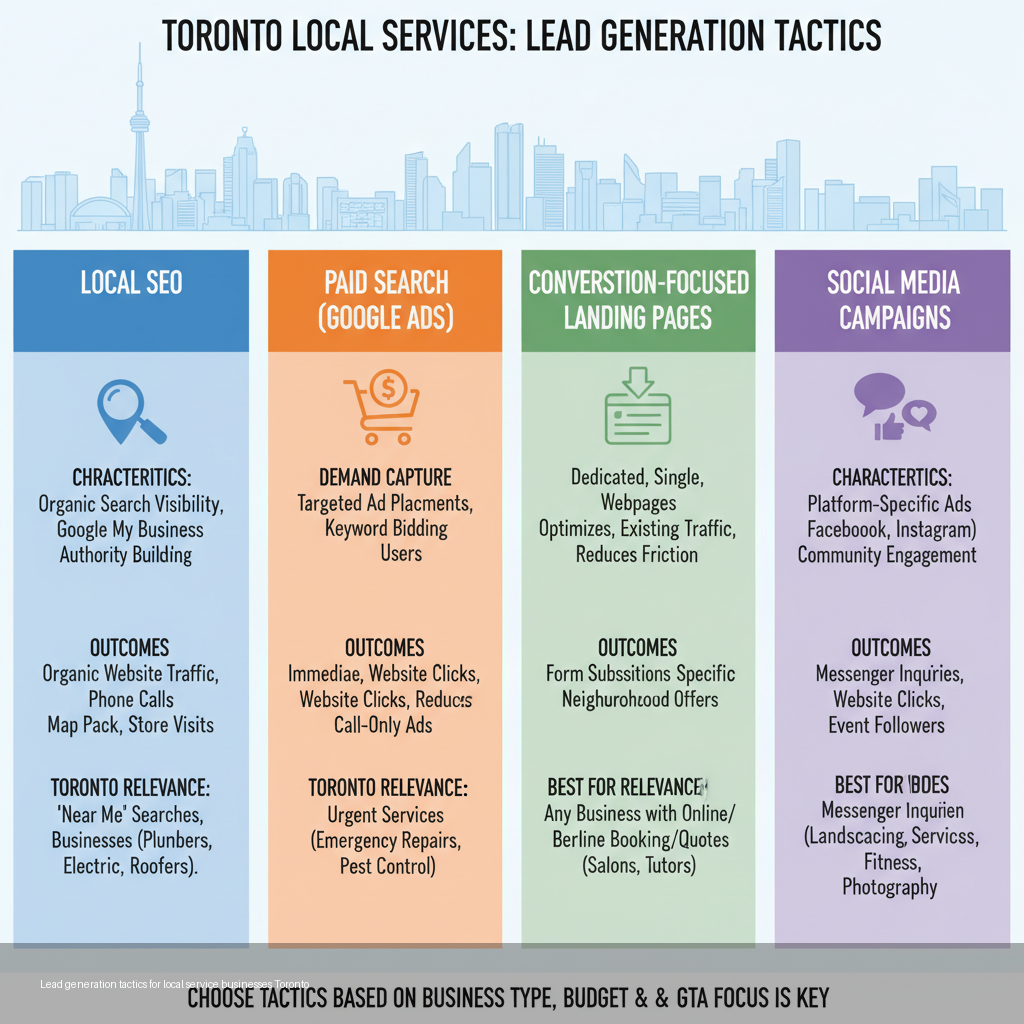
Lead generation tactics for local service businesses Toronto can be especially valuable for flower shops, floral designers, wedding florists, event decorators, and flower delivery businesses. In the floral industry, customers often search with strong intent: they need same-day flowers, sympathy arrangements, wedding consultations, corporate floral subscriptions, or seasonal bouquets in a specific Toronto neighbourhood.
This flower-focused guide builds on the marketing principles discussed in lead generation tactics for local service businesses Toronto, but reframes them for florists and floral service providers. The goal is not just more website traffic; it is more qualified calls, quote requests, online orders, consultation bookings, and repeat customers from people who are ready to buy flowers or floral services.
For a Toronto flower business, effective lead generation connects local search visibility, beautiful product presentation, trust signals, and an easy path to purchase or enquiry. A visitor should be able to quickly see what you offer, where you deliver, when flowers are available, and how to order or request a custom floral quote.
Quick Facts: Lead Generation for Toronto Florists
A practical summary for flower shops and floral service providers.
- What: A local marketing system that helps florists attract buyers through SEO, Google Ads, landing pages, Google Business Profile, and conversion tracking.
- Who: Flower shops, wedding florists, event floral designers, plant shops, sympathy flower providers, and floral delivery businesses.
- Where: Toronto neighbourhoods such as Downtown Toronto, North York, Scarborough, Etobicoke, Midtown, East York, Leslieville, The Beaches, Yorkville, and nearby GTA communities.
- How: Service pages, product category pages, local SEO, paid search campaigns, mobile-friendly ordering, call tracking, forms, and analytics work together.
- Why: Better lead generation helps florists turn seasonal demand, event enquiries, and local searches into measurable sales opportunities.
Why Flower Businesses Need Local Lead Generation
Flower purchases are often time-sensitive. Someone searching for “same day flower delivery Toronto,” “wedding florist North York,” or “sympathy flowers Scarborough” is usually not browsing casually. They may need to place an order quickly, compare nearby florists, or speak with a designer about an important occasion.
That makes search intent extremely important. A Toronto florist does not need every visitor; it needs the right visitors. A qualified lead might be a bride planning a consultation, a corporate office looking for weekly arrangements, a family ordering funeral flowers, or a customer trying to send a birthday bouquet before a delivery cutoff.
This is where coordinated Digital Marketing Services can support a flower business. SEO, paid ads, web design, content, and tracking should all point toward the same outcome: making it easy for local buyers to choose your flower shop.
Lead Generation Tactics for Local Service Businesses Toronto: The Florist Version
For florists, the best lead generation strategy usually combines immediate demand capture with long-term visibility. Paid search can help reach people who need flowers today, while SEO can help a flower shop become visible for ongoing searches related to weddings, events, delivery areas, seasonal arrangements, and gift occasions.
SEO Services can support flower businesses by improving category pages, service pages, local landing pages, internal linking, page speed, and content quality. A florist’s website should help search engines understand the shop’s products, delivery zones, specialties, and neighbourhood relevance.
For urgent and high-intent searches, Google Ads Management can help florists appear when buyers are actively looking for flower delivery, roses, sympathy flowers, wedding flowers, or holiday arrangements. However, paid traffic works best when the landing page matches the search exactly.
A practical lead generation mix for Toronto flower businesses may include:
- Local SEO: Optimize flower delivery pages, wedding florist pages, event floral pages, sympathy flower pages, and Toronto neighbourhood pages.
- Google Business Profile: Keep hours, photos, products, services, reviews, and delivery information current.
- Paid search: Use Google Ads for urgent searches such as same-day flower delivery, Valentine’s Day flowers, Mother’s Day flowers, and funeral flowers.
- Conversion-focused pages: Make ordering, calling, consultation booking, or quote requests easy on mobile.
- Tracking: Measure calls, forms, online order clicks, consultation requests, and campaign sources.
- Follow-up: Respond quickly to event, wedding, and corporate floral enquiries, because customers may contact multiple florists.
Toronto Flower Searches Are Highly Local
Toronto is not one single flower market. A customer in Downtown Toronto may need office delivery or condo-friendly same-day flowers. A customer in North York may search for a wedding florist near a venue. Someone in Scarborough may need funeral arrangements delivered to a specific location. A buyer in Etobicoke may want a local florist that can deliver quickly without confusion.
This local context should shape the website. Instead of using generic flower shop language, pages should answer real customer questions: Do you deliver to this area? Can I order today? Do you offer custom arrangements? Can you handle weddings or large events? What information do you need for a sympathy order?
Neighbourhood relevance also affects trust. Florists can strengthen local confidence by clearly naming real delivery areas, explaining order cutoffs, showing arrangement types, and making contact details easy to find. Thin pages that only swap city names are less useful than pages with genuine service information.
SEO for Florists: Build Visibility Beyond Product Listings
Many flower websites focus heavily on product pages, but SEO for florists should go further. Product listings are important, yet service and information pages can capture searches from customers who are still deciding what they need.
Useful SEO pages for a Toronto flower business may include:
- Flower delivery Toronto: Explain delivery areas, timing, order options, and common occasions.
- Same-day flower delivery: Clarify availability, cutoff times, and suitable arrangement types without overpromising.
- Wedding florist Toronto: Describe consultation steps, floral design options, venue considerations, and quote request details.
- Sympathy and funeral flowers: Help customers choose appropriate arrangements and provide delivery information.
- Corporate flowers: Explain office arrangements, lobby flowers, subscriptions, and event florals.
- Seasonal flowers: Create useful pages around Valentine’s Day, Mother’s Day, holidays, spring bouquets, and winter arrangements.
Strong SEO content helps buyers feel informed before they contact the florist. It also gives search engines clearer signals about what the business offers and where it serves.
Google Ads for Flower Shops: Match the Search to the Occasion
Google Ads can be useful for florists because many flower searches are immediate. But the campaign must be specific. A person searching for “wedding florist Toronto” should not land on the same page as someone searching for “same day roses delivery.” Each search has a different intent, budget, timeline, and decision process.
Paid campaigns for flower businesses should be structured around clear themes, such as:
- Same-day flower delivery: For urgent orders and local delivery searches.
- Occasion flowers: Birthdays, anniversaries, congratulations, get well, sympathy, and thank-you flowers.
- Wedding flowers: Consultation-driven searches with higher planning detail.
- Event flowers: Corporate events, galas, private parties, and seasonal installations.
- Holiday campaigns: Valentine’s Day, Mother’s Day, Christmas, Easter, and other seasonal demand periods.
Florists should also review search terms carefully. Broad searches can attract visitors who are not ready to buy or are looking for unrelated information. Negative keywords, location controls, and conversion tracking help reduce wasted spend.
Landing Pages That Turn Flower Searches Into Orders and Enquiries
A florist’s landing page should be simple, visual, and action-oriented. People buying flowers often care about beauty, freshness, delivery confidence, and timing. People planning weddings or events care about design style, process, budget expectations, and trust.
Strong flower landing pages usually include:
- A clear headline: The page should immediately match the search, such as “Same-Day Flower Delivery in Toronto” or “Wedding Florist for Toronto Events.”
- High-quality floral images: Photos should support the offer and reflect the style of arrangements available.
- Delivery or service-area details: Customers need to know whether the florist serves their location.
- Simple calls to action: “Order Online,” “Call the Shop,” “Request a Wedding Consultation,” or “Ask About Event Flowers.”
- Trust signals: Reviews, shop information, delivery details, floral design process, and clear contact information.
- Mobile usability: Many flower orders happen on phones, so buttons, forms, and checkout paths must be easy to use.
If a florist is running ads but sending all visitors to the homepage, conversion opportunities may be lost. Dedicated landing pages can make the next step clearer.
Google Business Profile Matters for Local Flower Leads
For many flower buyers, Google Business Profile is the first point of comparison. Customers may check photos, reviews, hours, directions, services, and call buttons before visiting the website. A complete profile can support both visibility and trust.
Flower shops should keep these elements updated:
- Business hours: Especially around holidays and seasonal rush periods.
- Categories and services: Flower delivery, florist, wedding flowers, event flowers, and related services where appropriate.
- Photos: Bouquets, arrangements, storefront, team, seasonal flowers, and event work.
- Reviews: Encourage genuine customer feedback and respond professionally.
- Products: Add representative floral products if suitable.
- Contact details: Ensure phone number, website, and address information are accurate.
Because flower purchases are emotional and time-sensitive, trust signals in local search results can influence whether someone calls, orders, or keeps comparing.
Comparing SEO, PPC, and Social Media for Florists
Each marketing channel plays a different role for a flower business. SEO captures long-term search demand. PPC captures urgent demand and seasonal opportunities. Social media helps showcase visual style, arrangements, weddings, events, and brand personality.
SEO versus PPC for flower businesses
SEO: SEO is useful for building long-term visibility for searches such as flower delivery, wedding florist, sympathy flowers, and event flowers in Toronto.
- Best fit: Florists that want steady organic traffic and stronger visibility across product, service, and location searches.
- Example: A florist can build pages for wedding flowers, corporate arrangements, and neighbourhood delivery areas.
PPC: PPC is useful when a florist needs immediate visibility for high-intent or seasonal searches.
- Best fit: Same-day delivery, holiday campaigns, competitive keywords, and urgent flower orders.
- Example: A shop may run ads for Valentine’s Day flowers while also improving organic pages for future seasonal searches.
Website pages versus campaign landing pages
Website pages: Core pages explain the florist’s services, products, delivery areas, and brand style. These pages often support SEO and general customer education.
Landing pages: Campaign pages are more focused. They may be built for same-day delivery, wedding consultations, holiday flowers, or corporate floral subscriptions.
A flower shop may benefit from web design improvements if the site is hard to navigate, slow on mobile, or unclear about ordering and delivery.
Search marketing versus social media for florists
Search marketing: Search works well when buyers already know they need flowers and are comparing providers.
Social media: Social media is useful for visual discovery, brand awareness, wedding inspiration, seasonal promotions, and reminding past customers about occasions.
The strongest strategy often connects both. Social content can inspire interest, while SEO and PPC capture buyers when they are ready to order or enquire.
Tracking the Leads That Matter
Florists should not judge marketing only by clicks or impressions. The more useful question is whether marketing creates orders, calls, quote requests, consultations, and repeat customer opportunities.
Important conversion actions to track include:
- Phone calls: Especially from mobile search, Google Business Profile, and paid ads.
- Online orders: Track product purchases, checkout starts, and completed transactions where possible.
- Contact forms: Useful for weddings, events, corporate flowers, and custom arrangements.
- Consultation requests: Important for higher-value floral design projects.
- Email clicks: Helpful for custom orders or business accounts.
- Source and campaign data: Understand whether leads came from SEO, Google Ads, social media, referrals, or direct traffic.
Clean tracking helps florists see which services, neighbourhoods, seasons, and campaigns are producing useful enquiries.
Common Lead Generation Mistakes Florists Should Avoid
Flower businesses can lose leads even when they have beautiful arrangements. Often, the issue is not the product; it is the online path from search to order.
- Unclear delivery areas: Customers may leave if they cannot tell whether the florist delivers to their location.
- No visible same-day information: If same-day delivery is available, the details should be easy to find. If it is limited, the page should be clear.
- Sending all ad traffic to the homepage: Paid visitors need pages that match their search intent.
- Slow mobile pages: Mobile buyers may abandon a site if ordering is difficult.
- Weak event enquiry forms: Wedding and corporate floral forms should collect enough useful detail without becoming overwhelming.
- Generic content: Pages should reflect real floral services, occasions, design style, and Toronto service areas.
- Ignoring missed calls: Flower buyers may call another shop quickly if they cannot reach you.
How Toronto Florists Can Compete Online
Toronto flower businesses can compete by being specific, local, and easy to buy from. Larger online flower brands may have broad visibility, but local florists can build trust through neighbourhood relevance, original floral design, customer service, delivery clarity, and authentic photos.
A strong local flower website should answer questions quickly:
- What types of flowers and arrangements are available?
- Where do you deliver?
- Can customers order online or by phone?
- Do you offer custom work for weddings or events?
- What information is needed for sympathy or funeral orders?
- How can corporate clients request recurring flowers?
Specificity builds confidence. A page that clearly explains local flower delivery in Toronto is more helpful than a page that only says “beautiful flowers for every occasion.”
Monthly Marketing Checks for Flower Shops
Lead generation improves when florists review performance regularly. Seasonal trends, holidays, weddings, and local events can all affect demand, so marketing should not be set once and ignored.
- Review top search terms: Identify which flower-related searches are bringing qualified visitors.
- Check conversion paths: Make sure order buttons, forms, phone links, and checkout pages work properly.
- Update seasonal pages: Refresh content for Valentine’s Day, Mother’s Day, holidays, and wedding season.
- Assess lead quality: Separate low-fit enquiries from serious orders, consultations, and corporate opportunities.
- Monitor Google Business Profile: Keep photos, hours, services, and reviews current.
- Improve weak pages: Add clearer delivery details, better images, stronger calls to action, or more helpful FAQs.
Build a Measurable Lead System for Your Flower Business
Lead generation for florists is not about chasing every possible click. It is about helping the right customers find the right floral service at the right moment. A Toronto flower shop needs visibility for urgent orders, credibility for event and wedding enquiries, and a website that makes buying or contacting simple.
By combining SEO, Google Ads, local landing pages, Google Business Profile optimization, mobile-friendly design, and accurate tracking, flower businesses can build a lead system that is easier to measure and improve over time.
FAQs About Lead Generation for Toronto Flower Businesses
What is the best lead generation channel for a Toronto florist?
The best channel depends on the florist’s goals. SEO is useful for long-term visibility, while Google Ads can help capture urgent searches such as same-day flower delivery or holiday flower orders. Many florists benefit from using both.
Should flower shops run Google Ads?
Google Ads can be useful when campaigns target specific flower-related searches and send visitors to relevant pages. Ads should be tracked by calls, orders, forms, or consultation requests rather than clicks alone.
How can SEO help a flower shop?
SEO can help a flower shop appear for searches related to delivery, weddings, sympathy flowers, event florals, corporate arrangements, and neighbourhood service areas. Helpful pages and strong local signals can support ongoing visibility.
Why is Google Business Profile important for florists?
Many customers compare florists directly in local search results. Photos, reviews, hours, services, and accurate contact details can influence whether someone calls, visits the website, or chooses another flower shop.
What should a florist track in marketing reports?
Florists should track calls, online orders, contact forms, consultation requests, campaign sources, and lead quality. This helps show which services, areas, and campaigns are creating real business opportunities.