
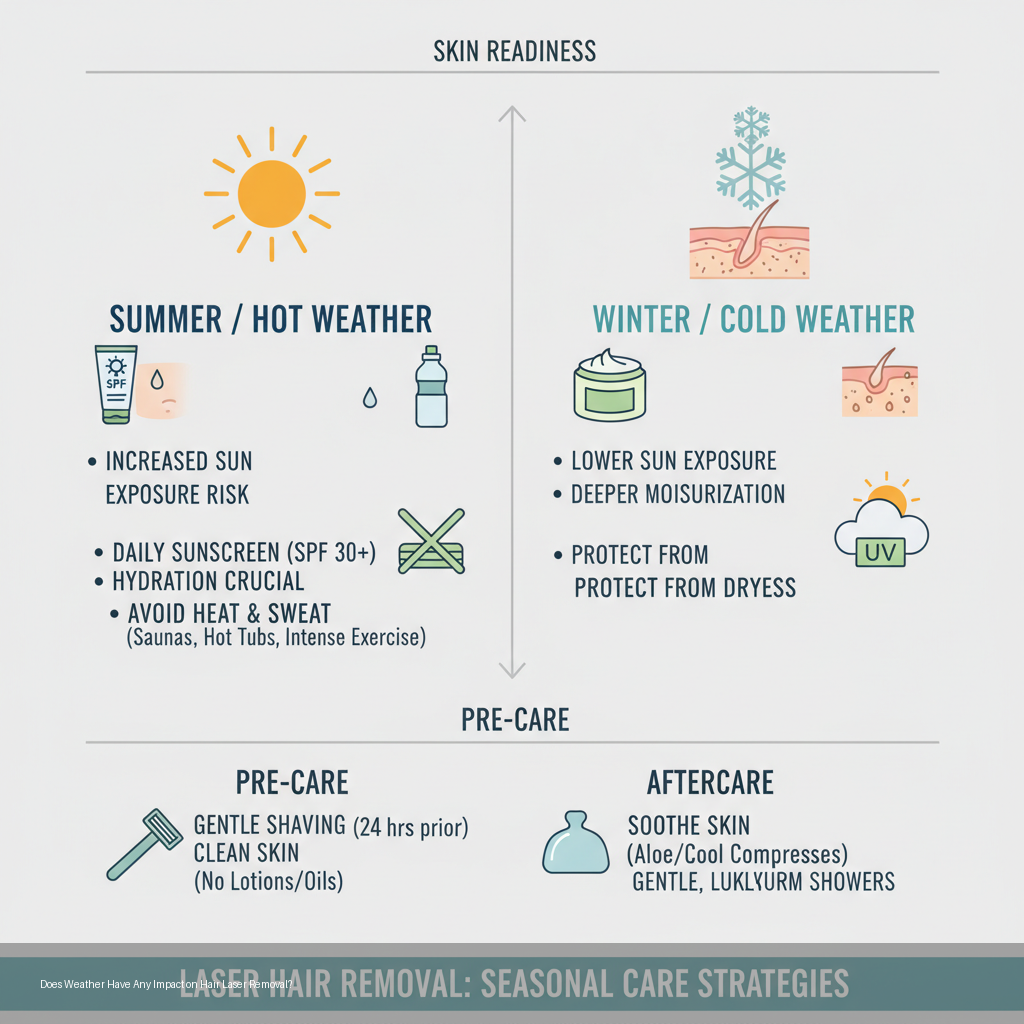
Does weather have any impact on hair laser removal? Yes, but mostly because weather changes the condition of your skin. Sun, heat, humidity, cold air, dryness, sweating, and clothing friction can all affect how sensitive your skin feels before and after treatment. The laser itself can still work when the skin is properly prepared; the real question is whether the treatment area is calm, protected, and ready.
For readers who plan their lives around flower seasons, garden events, weddings, outdoor markets, and summer bouquets, timing beauty appointments around the forecast can be just as practical as timing a floral arrangement around bloom freshness. This flower-focused guide builds on Royal Laser Clinic’s original explanation of weather and laser hair removal timing, with added context for people who spend time outdoors, around gardens, or preparing for floral celebrations.
If you are planning Laser Hair Removal before a wedding, garden party, vacation, photoshoot, or warmer-weather wardrobe change, the best season is not automatically summer or winter. The best season is the one in which you can avoid tanning, protect your skin, shave correctly, and follow aftercare consistently.
Quick Facts: Weather and Laser Hair Removal
- Weather does not stop laser hair removal from working: It mainly affects skin readiness and aftercare.
- Sun exposure matters: Recently tanned or sunburned skin may need more caution before treatment.
- Heat and sweat can irritate treated skin: This is important for gardeners, florists, athletes, and anyone attending outdoor events.
- Cold weather can dry the skin: Dry or flaky skin may make shaving and treatment less comfortable.
- Planning is key: Schedule sessions around outdoor flower festivals, weddings, gardening days, beach trips, and photoshoots.
Why Weather Matters for Laser Hair Removal
Laser hair removal targets pigment in the hair follicle during active growth phases. Weather does not change that basic process, but it can affect the skin surrounding the follicle. Skin that is sunburned, recently tanned, overheated, dry, irritated, or broken may not be ideal for a session.
For flower lovers and outdoor workers, this matters because seasonal routines often involve direct sunlight, soil, sweat, sunscreen, floral event clothing, and frequent outdoor movement. A florist setting up a summer wedding, a gardener spending hours pruning roses, or a guest attending an outdoor ceremony may all need to think carefully about timing.
The most useful concept is skin readiness. Skin readiness means the area being treated is not burned, freshly tanned, scratched, inflamed, heavily exfoliated, or covered with product residue. If skin is not ready, a careful technician may recommend delaying treatment for that area.
Royal Laser and Skincare Clinic uses the Soprano Ice system for Permanent Laser Hair Removal, which is designed for comfortable treatment across different skin tones. Even with advanced technology, safe timing still depends on the skin’s condition on the day of treatment.
Summer, Spring, Fall, or Winter: Which Season Is Best?
Winter is often easier because treated areas are covered by clothing and sun exposure is usually lower. Spring can be a practical time to start before sleeveless dresses, garden parties, and wedding season. Summer can still work, but it requires stricter sun protection. Fall can be ideal for resetting a treatment plan after vacations and outdoor events.
Instead of choosing based only on the calendar, think about your actual lifestyle. If you spend summer weekends at flower farms, beaches, outdoor markets, or backyard events, exposed areas like legs, arms, face, and shoulders may need more careful planning. If you work indoors and avoid tanning, summer appointments may be manageable.
Seasonal Timing Comparison
| Season | Common Skin Concern | Best Planning Tip |
|---|---|---|
| Spring | More outdoor time, early tanning, allergies, event prep | Start before peak garden-party and wedding season if you can protect treated areas. |
| Summer | Sun exposure, sweating, swimming, heat, friction | Avoid tanning and schedule sessions away from beach days, festivals, and intense outdoor work. |
| Fall | Post-summer tan, dryness, changing routines | Wait until any recent tan or irritation has settled before treating exposed areas. |
| Winter | Dryness, flaking, indoor heating, rough shaving | Moisturise between visits and shave gently before appointments. |
Heat, Sweat, and Sun: What Outdoor Flower Seasons Change
Warm weather often brings more time outside. For a flower-focused lifestyle, that might mean gardening, visiting botanical gardens, arranging outdoor wedding florals, selling at a flower market, or attending a garden brunch. These activities are beautiful, but they can add heat, sweat, friction, and sun exposure around laser appointments.
Hot Weather and Sweating
After laser hair removal, treated skin may feel warm or look slightly pink for a short period. Adding extra heat from workouts, saunas, hot tubs, heavy outdoor labour, or tight clothing can make irritation more noticeable.
If you are planning a long day planting, lifting floral buckets, setting up an outdoor arch, or walking through a summer flower festival, it may be better to avoid scheduling treatment immediately beforehand. Give your skin time to settle according to your aesthetician’s instructions.
Sun Exposure and Tanning
Sun exposure is one of the biggest weather-related concerns. Recently tanned or sunburned skin has changed pigment and increased sensitivity. Because laser energy interacts with pigment, a fresh tan can affect whether treatment should proceed safely.
This is especially relevant for commonly exposed areas such as legs, arms, face, neck, and shoulders. If you are preparing for sleeveless floral dresses, shorts, or outdoor photography, plan ahead rather than booking right after heavy sun exposure.
Humidity and Clothing Friction
Humidity can make sweat and friction more irritating, especially in areas like underarms, bikini line, thighs, and back. Loose, breathable clothing after treatment can help reduce rubbing. This is useful if you are working around flowers, moving between venues, or wearing fitted event clothing.
Cold Weather and Dry Skin: A Different Kind of Preparation
Winter and early spring may reduce sun exposure, but they bring another issue: dryness. Cold air and indoor heating can leave skin flaky, tight, or more sensitive. Dry skin can also make shaving less comfortable, which matters because shaving is usually part of laser hair removal preparation.
If you are starting sessions in winter so your skin is ready for spring blooms and summer events, keep the treatment area moisturised between appointments. However, follow your clinic’s instructions about arriving with clean skin and avoiding heavy creams or product residue on treatment day.
For legs, arms, back, and chest, winter dryness can create small irritated patches. If shaving causes razor burn, the area may need time to calm before treatment. The goal is not just hair removal; it is keeping the skin barrier comfortable and intact.
Pre-Care Tips Before a Laser Appointment
Good pre-care is where weather planning makes the biggest difference. Whether you are preparing for a floral wedding, a garden photoshoot, or everyday confidence in warmer clothing, arrive with skin that is clean, calm, and protected.
- Avoid tanning before treatment: This includes outdoor tanning, tanning beds, and self-tanner on the treatment area.
- Protect exposed skin: Use clothing coverage and sunscreen as advised, especially for arms, legs, face, and neck.
- Shave as instructed: Clinics usually ask clients to shave before treatment, but irritated shaving can delay a session.
- Do not arrive with sunburn: Sunburned skin should recover before laser treatment.
- Pause harsh products if instructed: Retinoids, exfoliating acids, scrubs, or strong actives may need to be avoided around treatment.
- Tell your technician about outdoor plans: Mention recent gardening, sun exposure, beach trips, or upcoming floral events.
Aftercare Tips for Gardeners, Florists, and Outdoor Event Guests
Aftercare is about keeping treated skin calm. This is important in every season, but especially when you are surrounded by outdoor activities, heat, soil, pollen, sweat, and event clothing.
- Avoid extra heat: Skip saunas, hot tubs, hot yoga, and intense workouts for the period your aesthetician recommends.
- Limit friction: Choose loose clothing after treating bikini line, underarms, thighs, back, or legs.
- Protect from direct sun: Treated skin should be shielded from unnecessary sun exposure.
- Be careful with gardening right after treatment: Soil, sweat, tight gloves, kneeling, or rubbing clothing may irritate sensitive areas.
- Avoid harsh exfoliation: Do not scrub treated skin until your clinic says it is appropriate.
- Keep the area clean and calm: Gentle care is better than adding many products.
If you are treating the face and also want to maintain skin texture or hydration before a wedding or floral photoshoot, ask how to time Facial Treatments separately so they do not conflict with laser aftercare.
Laser Hair Removal Before Weddings, Flower Festivals, and Photoshoots
Floral events often involve detailed planning: bouquets, centrepieces, colour palettes, dress fittings, photography, and outdoor schedules. Laser hair removal should be planned with the same practical mindset. Because laser hair removal requires a series of sessions, it is not usually something to start at the last minute before a major event.
If you are preparing for a wedding or outdoor celebration, discuss your timeline during consultation. Areas such as underarms, bikini line, legs, arms, face, back, and chest may have different spacing needs and different exposure risks. A treatment plan should consider your event date, clothing style, sun exposure, and skin sensitivity.
For example, a bride, groom, bridesmaid, or guest wearing sleeveless floral attire may need to be extra careful with sun exposure before treating arms or shoulders. Someone preparing for a beach honeymoon may need to avoid scheduling a session too close to intense sun, swimming, or heat-heavy activities.
Laser Hair Removal vs. Waxing and Shaving During Flower Season
Shaving, waxing, and laser hair removal can all be affected by weather. Shaving may feel convenient, but dry skin can lead to razor burn, while summer sweat can make bumps and irritation more noticeable. Waxing removes hair from the root temporarily, but it requires regrowth and can leave skin sensitive.
Laser hair removal requires planning because it targets follicles over multiple sessions. The trade-off is that the goal is longer-term hair reduction rather than repeatedly managing short-term regrowth.
| Hair Removal Method | Weather-Related Concern | Main Trade-Off |
|---|---|---|
| Shaving | Dryness, razor burn, ingrown hairs, sweat irritation | Results are short-lived because hair is cut at the surface. |
| Waxing | Redness, friction, sun sensitivity, irritation after pulling hair from the root | Hair must regrow before the next wax. |
| Laser hair removal | Recent tanning, sunburn, dryness, or heat exposure after treatment | A series of sessions is needed because hair grows in cycles. |
Who Should Be Extra Careful With Weather and Laser Timing?
Some people need more cautious scheduling because their skin reacts quickly to sun, cold, friction, or skincare products. This does not necessarily mean they cannot have laser hair removal. It means the plan should be more personalised.
- People who tan easily or burn easily
- People with sensitive or irritation-prone skin
- People using retinoids, exfoliating acids, or strong skincare actives
- People with eczema flare-ups or dry, cracked skin
- People who work outdoors, garden often, or handle outdoor flower installations
- People treating sun-exposed areas such as face, arms, legs, or neck
- People planning treatment around weddings, vacations, or photoshoots
Men may also need seasonal planning for areas like back, chest, shoulders, neck, and beard line, especially if those areas are exposed to sun or friction. If relevant, you can learn more about Laser Hair Removal for Men.
How to Choose a Clinic When Weather Affects Your Skin
A responsible laser clinic should assess your skin at every visit rather than treating every appointment the same way. Weather, travel, sun exposure, gardening, workouts, skincare, and dryness can all change skin condition between sessions.
Signs of a Careful Laser Hair Removal Assessment
- The skin is checked first: The technician looks for tanning, sunburn, irritation, dryness, open skin, or product residue.
- The plan is adjusted when needed: A specific area may be delayed if the skin is not ready.
- Aftercare is clear: You should understand what to avoid after treatment, including heat, sweating, sun, exfoliation, and friction.
- Technology is matched to your skin: Device choice, settings, and skin assessment should work together.
- Pricing is transparent: You should understand costs before starting. You can review Laser Hair Removal Prices before deciding.
Royal Laser and Skincare Clinic offers complimentary consultations and uses Soprano Ice laser hair removal technology. A consultation can help determine whether your skin is ready and how to plan sessions around sun, heat, dryness, and outdoor routines.
What to Expect at Your First Session
Your first laser hair removal session should include a discussion of your skin, hair type, health history, recent sun exposure, skincare products, and previous hair removal methods. If you have recently spent time gardening, travelling, tanning, attending outdoor flower events, or treating sunburn, mention it before treatment begins.
The treatment area is assessed, and your aesthetician explains how to prepare, what the treatment may feel like, and what to avoid afterward. With Soprano Ice technology, treatment is designed to be comfortable, although sensitivity varies by area and skin condition.
After treatment, you may be advised to avoid heat, direct sun, workouts, saunas, hot tubs, exfoliation, and certain skincare products for a short time. Follow the instructions given for your skin and treatment area.
FAQs About Weather and Laser Hair Removal
Can I get laser hair removal in summer?
Yes, laser hair removal can be done in summer if the treatment area is not recently tanned, sunburned, or irritated. You will need to protect treated skin from direct sun and avoid heat-heavy activities after your session.
Is winter better for starting laser hair removal?
Winter is often easier because treated areas are usually covered and sun exposure is lower. The main winter concern is dryness, so moisturising between sessions and shaving gently can help keep skin calm.
Should I book laser hair removal before a garden wedding?
Yes, but plan ahead. Laser hair removal usually requires a series of sessions, and you should avoid booking too close to heavy sun exposure, outdoor heat, or activities that may irritate treated skin.
Should I delay treatment if I have a tan?
A recent tan should be discussed before treatment. Because laser energy interacts with pigment, recently darkened or sunburned skin may require extra time before a safe session.
Can gardening after laser hair removal irritate my skin?
It can, depending on the treated area and the type of gardening. Heat, sweat, soil, tight clothing, kneeling, or friction may irritate freshly treated skin. Ask your aesthetician how long to wait before returning to outdoor work.
Plan Around Your Skin, Not Just the Forecast
Weather can influence laser hair removal timing, but it does not have to make the process confusing. Whether you are preparing for flower season, a wedding, a garden event, or everyday confidence, the safest approach is to treat when your skin is calm, protected, and properly prepared.
For questions about treatment timing, skin readiness, or whether your current season is a good time to begin, contact Royal Laser and Skincare Clinic at 905-237-3242 or [email protected].
Book a complimentary consultation to discuss your skin, treatment areas, and seasonal plans.