
When flower shops, floral studios, wedding florists, and plant retailers search for digital marketing companies near me, they are usually looking for more than a nearby agency. They need a marketing partner that understands local search, seasonal buying behaviour, online flower delivery, wedding enquiries, sympathy arrangements, event work, and the importance of turning website visitors into real orders or consultations.
For a deeper look at the core selection process, this guide on choosing digital marketing companies near me explains why proof, clear reporting, and business-focused strategy matter. For a flower business, that same idea becomes even more important because demand can shift quickly around Valentine’s Day, Mother’s Day, wedding season, holidays, funerals, graduations, and local events.
A capable agency should be able to connect SEO, paid ads, website improvements, content, tracking, and conversion paths to meaningful outcomes. For a florist, those outcomes may include phone calls, delivery orders, wedding consultation requests, event quote forms, store visits, subscription flower enquiries, or repeat customers. The goal is not simply more traffic; it is better visibility that leads to useful customer action.
Quick Facts: Digital Marketing Companies Near Me for Flower Businesses
Use this snapshot before comparing agencies for your florist, flower delivery service, or floral design studio.
- What: A digital marketing company helps manage online growth channels such as SEO, PPC, website design, content, analytics, and social campaigns.
- Who: Flower businesses should look for a team that can explain strategy in plain language and connect marketing work to orders, calls, consultations, and customer enquiries.
- Where: “Near me” can help find agencies familiar with your region, but location alone does not prove skill, accountability, or industry fit.
- How: Strong agencies use keyword research, conversion tracking, landing pages, campaign testing, local SEO, reporting dashboards, and ongoing analysis.
- Why: Better agency selection can reduce wasted ad spend, unclear reporting, weak seasonal campaigns, and website traffic that does not produce real floral orders.
Why flower businesses need a clear digital marketing strategy
Flower buying is often emotional, time-sensitive, and local. A customer may need same-day delivery, a wedding florist, a sympathy arrangement, a birthday bouquet, or a reliable shop for recurring corporate flowers. Digital marketing works best when it helps that customer find the right page quickly, understand the offer, and take the next step without confusion.
A strong marketing strategy should consider how people search for flowers at different moments. Someone searching for “same-day flower delivery near me” may be ready to buy now. Someone searching for “wedding florist consultation” may need trust, portfolio examples, service details, and an easy enquiry form. Someone searching for “best flowers for sympathy arrangement” may need helpful content before choosing a florist.
Zigma Internet Marketing provides Digital Marketing Services that combine planning, execution, tracking, and reporting. For flower businesses, the important lesson is to choose an agency that can show how each marketing activity supports real customer behaviour, not just rankings or clicks.
How digital marketing creates growth for florists
Digital marketing creates growth by improving how people discover, evaluate, and contact your flower business online. Search engine optimization can help your website appear for relevant floral searches. Paid search can support urgent demand around key seasons or delivery needs. Website design can make it easier for customers to browse arrangements, request quotes, or place orders.
The best results usually come from connecting these pieces. Better targeting brings more relevant visitors. Better landing pages reduce hesitation. Better tracking shows which campaigns produce phone calls, forms, online purchases, or consultation requests. Without that connection, a flower shop may see more website activity without knowing whether it is helping sales.
For example, SEO Services should do more than target broad flower keywords. Effective SEO can support local service pages, wedding florist pages, delivery area pages, product category pages, internal linking, technical site health, and content that matches customer intent.
Signs a digital marketing agency understands flower businesses
A capable agency will ask practical questions before recommending services. For a florist, those questions may involve delivery zones, average order value, wedding booking timelines, busiest seasons, product margins, online ordering systems, phone enquiries, local competition, and how customers currently find the business.
A weaker agency may jump straight into selling ads or promising rankings without understanding how your floral business earns revenue. If your goal is more wedding consultations, the strategy should look different from a same-day delivery campaign. If your website already has traffic but few orders, conversion work may matter more than simply increasing ad spend.
- Clear conversion goals: The agency should define which actions matter, such as bouquet orders, calls, wedding forms, event enquiries, or delivery requests.
- Local search understanding: Florists often depend on visibility for neighbourhood, city, and “near me” searches.
- Seasonal planning: Campaigns should account for high-demand periods such as Valentine’s Day, Mother’s Day, holidays, graduations, and wedding season.
- Website improvement ability: Strategy is limited if no one can improve landing pages, product pages, mobile usability, forms, or tracking.
- Reporting clarity: Reports should connect marketing activity to enquiries, orders, and next actions rather than listing disconnected numbers.
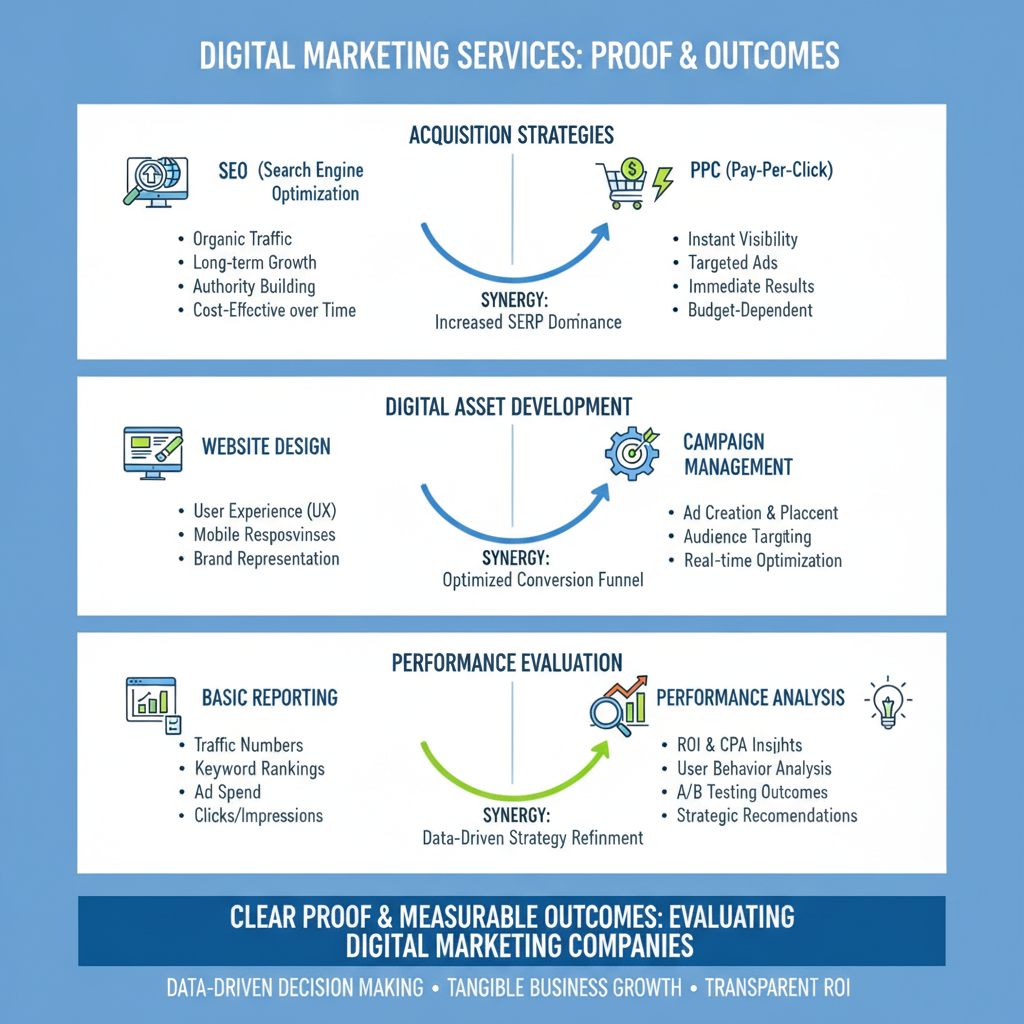
Comparing SEO, PPC, website design, and analytics for florists
Different digital marketing services solve different problems. A flower shop needing immediate delivery orders may benefit from PPC. A wedding florist building long-term visibility may need SEO and content. A floral studio with traffic but few enquiries may need website and conversion improvements before investing more in campaigns.
SEO compared with paid search for flower shops
A) SEO: SEO improves organic visibility by strengthening website structure, content, technical performance, and relevance for flower-related searches.
- How it works: SEO aligns pages with search intent, improves crawlability, and builds content around services such as flower delivery, wedding florals, sympathy flowers, and event arrangements.
- Best fit: SEO fits florists that want more durable visibility across local and service-based searches.
- Example: A wedding florist page may need clearer headings, portfolio context, FAQs, service area details, and internal links from related pages.
B) PPC: PPC can place ads in front of searchers quickly and provide faster feedback on keywords, offers, and landing pages.
- How it works: Campaigns target specific searches, manage bids, filter poor matches, and track conversions from paid traffic.
- Best fit: PPC may fit florists that need faster visibility for seasonal campaigns, delivery searches, or specific floral services.
- Example: Paid search can help test which bouquet, delivery, or consultation keywords produce useful enquiries before expanding long-term SEO content.
C) Combined SEO and PPC: Using both channels can help flower businesses gather short-term data while building long-term organic visibility.
- How it works: PPC data can inform SEO priorities, while SEO pages can support stronger landing page relevance.
- Best fit: A combined plan fits florists that want both timely campaign feedback and steady search visibility.
- Example: If paid search shows strong interest in sympathy flower delivery, that insight may guide future SEO page improvements.
Website work compared with campaign work
A) Website design: Website design shapes how customers understand your floral services, trust your shop, and move toward ordering or contacting you.
- How it works: Design improves layout, mobile usability, navigation, calls to action, visual hierarchy, product presentation, and form clarity.
- Best fit: Website design fits florists with outdated pages, confusing product categories, slow mobile pages, or weak enquiry paths.
- Example: A wedding florist page may need clearer service packages, gallery organization, consultation prompts, and a simpler enquiry form.
B) Campaign management: Campaign management focuses on attracting qualified visitors through paid search, paid social, organic content, or email campaigns.
- How it works: Campaigns test audiences, keywords, creative, budgets, and landing pages to improve acquisition quality.
- Best fit: Campaign management fits flower businesses that already have a credible website and need more qualified traffic.
- Example: A Mother’s Day campaign may need specific landing pages, clear ordering deadlines, and careful tracking of orders or calls.
C) Website and campaign alignment: Stronger results often come when traffic generation and conversion improvements are managed together.
- How it works: Campaign data shows visitor behaviour, while website updates remove friction from the order or enquiry path.
- Best fit: Alignment fits florists spending on ads but seeing too few purchases, calls, or consultation requests.
- Example: A flower delivery ad may receive clicks, but a slow checkout or unclear delivery area can stop customers from completing an order.
Reporting compared with real analysis
A) Basic reporting: Basic reporting lists numbers such as sessions, impressions, clicks, rankings, or social engagement.
- How it works: Reports pull data from platforms and present campaign activity in a recurring format.
- Best fit: Basic reporting may help with visibility tracking, but it does not always explain what should change next.
- Example: A report may show more traffic to a bouquet page without explaining whether that traffic produced orders.
B) Performance analysis: Performance analysis connects metrics to business questions and identifies the next improvement.
- How it works: Analysis reviews conversion paths, search terms, landing page behaviour, lead quality, and campaign efficiency.
- Best fit: Performance analysis fits florists that need to decide where to invest marketing budget next.
- Example: Analysis may show that mobile users abandon a delivery form, leading to a simpler form and clearer page copy.
C) Dashboard plus action plan: A dashboard becomes more useful when it is paired with clear next steps, responsibilities, and timelines.
- How it works: Dashboards monitor KPIs while the agency translates patterns into updates across ads, SEO, content, or website pages.
- Best fit: This structure fits flower businesses that want accountability and a consistent improvement rhythm.
- Example: A dashboard may show rising cost per order, while the action plan addresses irrelevant search terms and landing page friction.
Questions florists should ask before hiring an agency
A good agency conversation should feel structured and specific. You do not need to know every technical term, but you should understand why the agency recommends a channel and how success will be evaluated for your flower business.
Question 1: Which business outcome are we improving first?
This question separates marketing activity from strategy. A clear answer might focus on more online flower orders, stronger wedding enquiries, improved local visibility, better lead quality, or reduced wasted ad spend.
Watch for: Answers that jump straight to rankings, impressions, or clicks without explaining how those metrics connect to orders, consultations, or revenue opportunities.
Example: If your florist website gets traffic but few orders, conversion rate optimization may be more urgent than a larger ad budget.
Question 2: How will tracking be set up and checked?
Tracking is the measurement foundation. A serious agency should discuss GA4, Google Tag Manager, form tracking, call tracking where appropriate, e-commerce events, and dashboard reporting.
Watch for: Reports that show traffic but cannot identify which channel, page, or campaign produced meaningful actions.
Example: A flower shop may think ads are not working until tracking reveals that phone orders from paid search were not being counted.
Question 3: What needs to change on the website?
Traffic alone rarely fixes a weak customer journey. The agency should review page speed, mobile usability, product organization, delivery information, service clarity, forms, trust signals, and calls to action.
Watch for: Campaign recommendations that ignore the landing page experience.
Example: Paid traffic sent to a generic homepage may convert poorly compared with traffic sent to a focused same-day delivery or wedding consultation page.
Question 4: How will seasonal campaigns be planned?
Flower marketing is closely tied to timing. Search behaviour and customer urgency can change around holidays, wedding season, funerals, school events, and local celebrations.
Watch for: Plans that describe general setup but do not address campaign timing, landing page readiness, ordering deadlines, or inventory considerations.
Example: A Valentine’s Day campaign may require earlier planning, dedicated ad copy, clear delivery cutoffs, and tracking for both calls and online orders.
Question 5: Who is doing the work?
Strategy, implementation, and reporting require different skills. Ask who handles technical SEO, ad management, content, development, analytics, and account communication.
Watch for: A vague team structure where no one is clearly responsible for execution quality.
Example: Improving a wedding florist page may require an SEO strategist, copywriter, developer, designer, and analytics specialist to work together.
What affects ROI in florist digital marketing
Return on investment in digital marketing is shaped by more than traffic volume. For flower businesses, performance can depend on search intent, delivery availability, product presentation, pricing clarity, response time, checkout flow, seasonal timing, and tracking accuracy.
A campaign can look busy in a report while still producing limited value. For example, broad flower inspiration traffic may not convert as well as searches with immediate intent, such as same-day delivery, wedding florist consultation, or sympathy flowers in a specific city. The agency should help identify which visitors are most valuable and which actions influence those customers.
Campaign factors that can change florist performance
- Intent quality: High-intent searches often produce stronger enquiries than broad informational traffic.
- Landing page fit: A page should match the customer’s need, whether that is delivery, weddings, sympathy flowers, subscriptions, or events.
- Tracking accuracy: Decisions improve when calls, forms, online purchases, and lead sources are measured consistently.
- Seasonal readiness: Campaigns need enough planning time before major flower-buying periods.
- Sales and response process: Marketing results can be limited if enquiries are slow to receive a response or are not handled clearly.
- Testing rhythm: Campaigns improve faster when ad copy, search terms, page content, and conversion paths are reviewed regularly.
SEO vs PPC for flower shops and floral studios
SEO and PPC are often compared as if one must replace the other. For florists, the better comparison is timing and control. SEO builds organic visibility through content, technical improvements, local relevance, and helpful service pages. PPC gives faster placement and more control over which searches trigger visibility, but paid traffic stops when campaigns pause.
SEO can be a strong fit when your flower business needs long-term visibility for service pages, delivery locations, wedding florals, sympathy arrangements, and educational content. PPC can be useful when you need faster testing, seasonal visibility, or support for a specific offer. Many businesses use both because PPC can provide faster feedback while SEO builds a more durable acquisition channel.
Zigma Internet Marketing manages Google Ads Management alongside SEO, website development, content, and analytics. That combined view is useful because poor campaign performance is not always an ad problem. Sometimes the real issue is tracking, page speed, unclear delivery information, weak product pages, or a mismatch between search intent and landing page content.
Your florist website should support every campaign
Many marketing problems are website problems in disguise. If your site loads slowly, hides delivery details, has confusing bouquet categories, lacks trust signals, or makes contact forms difficult, more traffic may simply send more visitors into the same friction.
A conversion-focused florist website does not need to be complicated. It needs clear service pages, strong mobile usability, visible contact options, simple ordering or enquiry paths, helpful delivery information, and analytics that confirm whether visitors take meaningful actions. For e-commerce flower shops, the same principle applies to product pages, checkout flow, product feeds, and campaign tracking.
If your current website is limiting performance, Website Design & Development can support SEO, paid campaigns, and conversion improvements at the same time. The key is to treat the website as a sales and service asset, not just an online brochure.
A final trust check before choosing digital marketing companies near me
Before choosing from digital marketing companies near me, look for signs that the agency can connect strategy to execution. For a flower business, that means understanding local intent, seasonal demand, conversion tracking, website usability, and the customer journey from search to order or enquiry.
Zigma Internet Marketing supports businesses with full-service delivery across SEO, PPC, web, content, social, analytics, and performance reporting. If you want a practical review of your current marketing setup, you can contact Zigma Internet Marketing at (647) 556-6071 or [email protected]. You can also request a strategy conversation here: Book a Free Strategy Call.
FAQs About Digital Marketing Companies Near Me for Florists
How should a florist compare digital marketing companies near me?
Compare agencies by how clearly they explain strategy, tracking, implementation, and reporting. A strong agency should connect SEO, PPC, website work, content, and analytics to outcomes such as online orders, phone calls, wedding enquiries, or event quote requests.
Is SEO important for flower shops?
SEO can be important because many flower customers search locally for delivery, arrangements, weddings, sympathy flowers, and seasonal products. Effective SEO should focus on search intent, service pages, technical health, content quality, and conversion paths.
Should florists use PPC advertising?
PPC can be useful when a florist needs faster visibility, seasonal promotion, or targeted traffic for specific services. It works best when tracking is set up properly and ads lead to relevant landing pages.
Why do some florist marketing reports feel unclear?
Reports feel unclear when they focus on activity instead of decisions. Impressions, clicks, and rankings can be useful, but they need context. Better reporting explains what changed, what the data suggests, and what action should happen next.
What should a flower business prepare before speaking with an agency?
Prepare your website, main services, delivery areas, seasonal priorities, target customers, current sales process, past campaign data, and tracking access if available. Clear business context helps an agency recommend the right mix of SEO, PPC, website, content, and analytics work.