
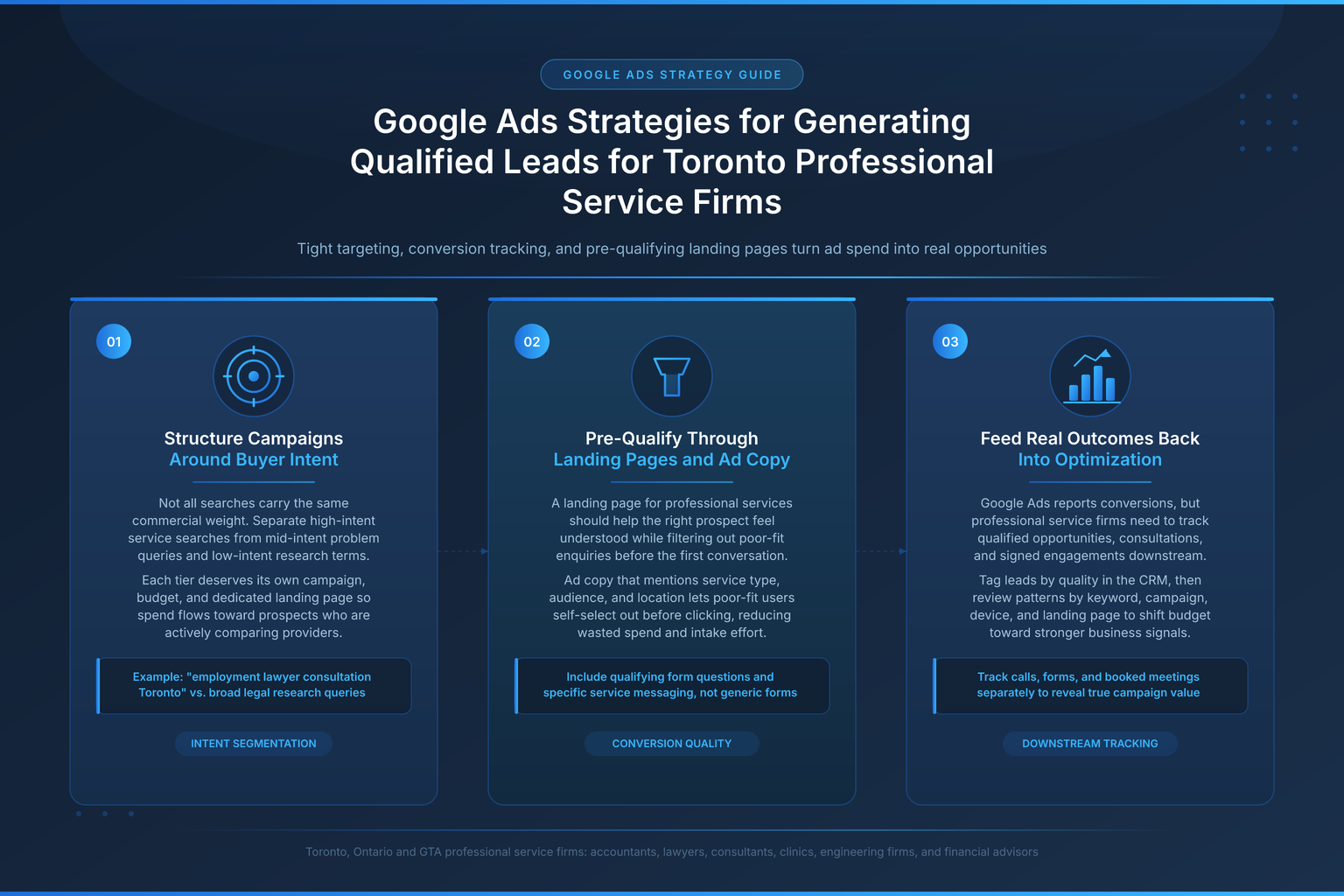

Why Lead Quality Matters for Flower Shops Using Google Ads
Flower shops and floral delivery services don’t benefit from quick impulse sales in quite the same way as other retail businesses. Customers often take time to browse styles, check reviews, consider delivery options, and compare local florists before placing an order. This nuanced buying behavior means Google Ads campaigns should be carefully designed to attract and convert genuinely interested buyers rather than window shoppers.
Unlike emergency services where a phone call is usually the final step, flower businesses require more refined lead qualification. The customer’s search intent, the landing page focusing on specific flower arrangements or occasions, and the order form details all play a role in ensuring leads are serious and ready to purchase.
For flower retailers aiming to reach potential customers across Toronto, understanding how to structure and manage Google Ads campaigns is crucial. This is where professional Google Ads Management tailored for local businesses takes priority—not just buying ad space, but strategically targeting the ideal flower buyers with the right message at the right time.
Google Ads Strategies for Generating Qualified Flower Leads in Toronto
Before launching a campaign, flower shops should define what a qualified lead is. For instance, a flower shop in Toronto might focus on customers searching for bouquet delivery in specific neighbourhoods, those planning events soon, or customers interested in premium arrangements rather than just casual browsers.
Defining this audience helps marketers organize keywords by buyer intent, apply negative keywords to filter out irrelevant traffic (like DIY flower arrangement searches), and create landing pages highlighting seasonal offerings or particular celebrations such as weddings or anniversaries.
It’s a common mistake to treat all clicks and form submissions as equal. A detailed inquiry or call from a nearby Toronto customer planning a wedding is far more valuable than a brief form submission from outside the service area. Campaign reports should therefore emphasize lead quality and not just raw conversion numbers.
How Toronto’s Local Search Behaviour Influences Flower Shop Ads
Toronto’s competitive and diverse marketplace means flower shops need to segment their campaigns by location and service type more precisely than in smaller cities. Someone searching for “Valentine’s bouquet delivery downtown Toronto” may have very different expectations than someone in Scarborough or Etobicoke.
Floral businesses must also contend with directories, online marketplaces, and local competitors that appear in search results. A well-structured PPC campaign aligns ad content with highly specific landing pages. For example, an ad for “same-day rose delivery Toronto” should lead to a page that clearly confirms availability and delivery boundaries.
Working with specialized agencies like Zigma Internet Marketing helps flower shops across the GTA ensure their paid ads complement SEO efforts and optimize local search visibility, landing page conversions, and analytics tracking to maximize qualified lead flow.
Structuring Campaigns According to Buyer Intent in the Flower Industry
Understanding buyer intent is fundamental to cost-efficient Google Ads campaigns. Someone actively searching “wedding floral designer Toronto” is a ready-to-buy prospect, whereas someone querying “how to arrange flowers” is typically in the research stage.
Buyer Intent Levels for Flower Shop Campaigns
A) High-intent purchase searches: Include specific services, locations, and clear purchasing signals. These deserve dedicated budgets and specialized landing pages.
- How it works: Ads target terms like “birthday bouquet delivery Toronto” or “florist near me same day.”
- Strong use case: Flower shops aiming for immediate sales from customers ready to place an order.
- Example: Separate campaigns for “wedding flowers Toronto” versus “flower care tips” to avoid budget waste.
B) Mid-intent occasion/problem searches: Customers may express a need without specifying a florist or product. These campaigns must educate and guide to conversion.
- How it works: Ads respond to queries like “best flowers for anniversary” with landing pages explaining floral options and ordering processes.
- Strong use case: Shops that can nurture leads by demonstrating expertise and easing purchase decisions.
- Example: Target “flower arrangements for sympathy” with pages outlining delivery service and customization options.
C) Low-intent research searches: Broad informational queries that are better suited for SEO or content marketing than costly PPC spending.
- How it works: Exclude or minimal budget for searches like “how to keep flowers fresh.”
- Strong use case: Building brand awareness or remarketing rather than immediate sales.
- Example: Using blog posts or guides to attract and educate without costly ad clicks on research terms.
Designing Landing Pages to Qualify Flower Buyers Before Contact
A flower shop landing page should do more than just gather contact information—it must help buyers feel confident and understood while screening out low-probability leads. This means including clear descriptions of floral services, delivery zones, popular occasions, pricing transparently, and a form that captures important qualifying details such as delivery date or event size.
Strong landing pages build trust with customer testimonials, photos of arrangements, and clear calls to action tailored to the prospect’s needs. Generic pages that send all visitors to a broad contact form often lead to wasted effort and lower campaign ROI.
This is why professional Website Design & Development focused on flower shops can dramatically improve paid ad conversions by combining appealing visuals, intuitive forms, and persuasive messaging that resonate with local Toronto customers.
Five Google Ads Strategies That Boost Qualified Leads for Flower Shops
Strategy 1: Segment campaigns by flower type and urgency
Separate campaigns by occasion (e.g., weddings, birthdays, sympathy) or product type (roses, orchids, mixed bouquets) to tailor messaging and budgets. Different customer needs and purchase timelines demand specific approaches.
Qualification signal: Monitor which segments lead to actual orders rather than just clicks.
Operational impact: Spend can focus on high-margin or quick-turnover products that produce the best sales.
Example: A florist might run separate campaigns for “same-day flower delivery Toronto” and “custom wedding bouquets” with distinct landing pages.
Strategy 2: Develop negative keyword lists from real search data
Exclude irrelevant searches such as “flower tattoo designs,” “flower arranging classes,” or “free flower templates” to prevent wasted ad spend.
Qualification signal: Use search terms filtered through sales data and CRM notes to refine exclusions.
Operational impact: Less irrelevant traffic results in higher conversion rates and clearer campaign analytics.
Example: Blocking terms like “DIY” or “wholesale flowers” if the shop does not cater to those audiences.
Strategy 3: Combine call tracking with form submissions
Customers may prefer placing orders over the phone or online form submissions after reviewing arrangements. Tracking both channels is essential to capture full lead data.
Qualification signal: Measure call length, form completeness, and order confirmation rates separately.
Operational impact: Identifies whether campaign traffic needs better landing pages or if staff follow-up requires improvement.
Example: A flower shop might notice mobile users call more, while desktop users favor ordering online.
Strategy 4: Write ad copy reflecting floral qualifications
Ads should pre-qualify buyers by specifying occasions, delivery areas, price ranges, or bouquet types to reduce poor-fit clicks.
Qualification signal: Balance click-through rates (CTR) with actual order conversion rates.
Operational impact: Higher-quality traffic lowers wasted spend and improves sales team efficiency.
Example: An ad mentioning “luxury wedding bouquets Toronto” filters for higher-value customers.
Strategy 5: Incorporate offline sales results into campaign optimization
Clicks and form submissions are only part of the picture; tracking which leads turned into confirmed flower orders or recurring customers is critical.
Qualification signal: Use CRM data to tag leads by final purchase status and review trends across campaigns.
Operational impact: Budgets can be shifted toward campaigns that produce not only leads but meaningful sales.
Example: If a Valentine’s Day campaign generates many clicks but few sales, reallocating budget to Mother’s Day may improve ROI.
Choosing the Right Agency to Grow Your Flower Business Online
Many digital marketing firms offer Google Ads services, but successful flower shops look for agencies that understand the unique buying cycle in floral retail. This includes respect for seasonal trends, delivery logistics, and the difference between general inquiries and order-ready customers.
Ask potential agencies how they handle campaign segmentation, negative keyword management, conversion tracking, landing page optimization, and detailed reporting. An agency experienced with flower businesses will also coordinate SEO, local search optimization, and user experience improvements alongside paid ads.
Zigma Internet Marketing specializes in local campaigns for Toronto businesses, offering a holistic approach that blends PPC, SEO, web design, and analytics into a seamless strategy – ideal for florists looking to grow qualified sales online.
Key factors when selecting a digital marketing partner:
- In-depth tracking: Ability to measure calls, form inquiries, actual orders, and lead quality at every stage.
- Search term management: Regularly reviewing and excluding irrelevant traffic to maximize ad spend efficiency.
- Landing page expertise: Optimizing pages to match ads and encourage orders, not just contacts.
- Clear reporting: Linking ad spend directly to qualified flower sales, not just clicks or impressions.
- Channel synergy: Combining paid ads with SEO and local listings to build trust and visibility across platforms.
What Influences ROI for Flower Shop Google Ads Campaigns
Return on investment depends on more than just ad budget. Even highly targeted ads can underperform if the website is unclear, the ordering process is complicated, or the shop can’t respond quickly during peak demand (e.g., holidays like Valentine’s Day or Mother’s Day).
Toronto’s varied neighbourhoods each have distinct customer habits and competitive environments, so campaigns should reflect these realities with tailored ad copy and localized landing pages. A floral boutique in downtown Toronto faces different challenges compared to a shop in Markham or Scarborough.
Key ROI drivers include lead qualification criteria, landing page clarity, follow-up responsiveness, exclusion of irrelevant searches, and sound analytics integration using tools like GA4 and Google Tag Manager.
Campaign elements affecting flower business performance:
- Lead definition: Which enquiries match the shop’s delivery area, event types, and price points?
- Landing pages: Clear messaging on bouquet selection, pricing, and delivery expectations.
- Speed of follow-up: Prompt order confirmation or callbacks during peak times to secure sales.
- Search term filtering: Keeping irrelevant or DIY-related queries out of paid campaigns.
- Analytics and tracking: Integration of call tracking, conversion pixels, and CRM data for real-time performance insights.
Balancing SEO and PPC for Flower Retailers in Toronto
While PPC can quickly bring flower shops in front of customers ready to buy, SEO builds lasting online presence that supports discovery and trust. Many flower businesses find the best digital marketing approach uses both channels in harmony.
Pay-per-click is ideal for testing new products, capitalizing on seasonal spikes, and driving immediate traffic. SEO, on the other hand, develops content around popular flower types, care tips, and local delivery, making it easier for new customers to find the business over time.
Professional SEO support from experts like a SEO company Toronto can enhance site structure, optimize service pages, and generate content that complements PPC campaigns, boosting overall lead quality and conversions.
How PPC and SEO work together for florists:
- PPC tests buying interest: Ads identify which arrangements and occasions attract the best buyers before investing in organic content.
- SEO builds trust: Informative and localized pages help validate the shop’s reputation after a user clicks an ad.
- Local search boosts conversions: Optimized Google Business Profiles encourage positive reviews and easy contact.
- Content marketing reduces wasted clicks: Educational blogs and guides handle informational queries, saving PPC budget for ready buyers.
How Toronto Flower Shops Can Compete Online Without Overspending
Floral businesses don’t need to match large competitors dollar-for-dollar in ad spend. They can succeed by focusing on sharper messaging, more precise targeting, enriched tracking, and better landing pages that reflect the shop’s unique strengths.
For example, a boutique flower shop in downtown Toronto might concentrate on premium event flowers in a small set of neighbourhoods instead of bidding broadly on generic keywords targeted by national chains.
Across digital marketing efforts in Toronto, including PPC and broader online marketing, concentrating on qualified leads and matching service offerings to customer intent results in more efficient use of budgets and stronger sales growth.
Effective strategies to avoid wasted ad spend:
- Focus campaign scope: Prioritize services and occasions where your shop excels and can deliver promptly.
- Use location targeting wisely: Tailor campaigns and messaging to Toronto neighbourhoods where you genuinely serve customers.
- Enhance the website journey: Ensure your website clearly shows bouquet options, prices, and how to order.
- Regularly review lead quality: Weekly audits of search terms, calls, and form leads help reduce spend on low-value traffic quickly.
Frequently Asked Questions About Google Ads for Flower Shops in Toronto
Most shops need sufficient data from clicks, calls, and form submissions to identify patterns by product and search intent. Weekly reviews are helpful early on, but more strategic decisions are best made after gathering a robust dataset over several weeks.
Search campaigns targeting customers actively looking for flowers in Toronto typically provide the clearest and fastest results. Display and remarketing campaigns can support brand awareness and retargeting efforts later.
Leads should be evaluated based on order size, delivery date readiness, location fit, and eventual purchase. Low-cost leads can still be poor if they come from outside delivery zones or are not ready to buy soon.
Sending traffic to the homepage works for branded searches, but service- or occasion-specific campaigns perform better with dedicated landing pages that speak directly to the user’s query and provide relevant bouquet options and ordering details.
Absolutely. SEO builds organic trust and long-term visibility, while PPC targets immediate buying intent. Separating reporting and strategy by channel allows the flower shop to maximize both without overlap.
Creating Campaigns That Respect Your Flower Shop’s Operations
Well-crafted paid search campaigns reduce noise and boost actual sales by attracting better-qualified customers. Flower shops in Toronto benefit from fewer vague inquiries, clearer service messaging, deeper tracking, and reports focused on meaningful sales outcomes rather than just raw form fills or clicks.
Zigma Internet Marketing is a Google Partner-certified agency headquartered near Toronto with expertise in PPC, SEO, landing page design, analytics, and conversion optimization. If your flower business wants an expert review of campaign structure, lead quality, and budgeting efficiency, Zigma’s team can help identify where your marketing dollars bring the best bouquet-selling results.
Plan Your Flower Shop’s Google Ads Around Real Sales Opportunities
Connect with Zigma Internet Marketing to learn about paid search strategy, landing page design, tracking, and conversion optimization tailored for flower shops in Toronto and the GTA.

Original article:Google Ads strategies for generating qualified Toronto leads