
For florists, flower delivery brands, plant shops, and gift-bouquet retailers, online growth is not just about having a beautiful website. A flower ecommerce store needs to attract the right shoppers, show products clearly, handle seasonal demand, support local delivery intent, and make checkout simple before the customer changes their mind or orders elsewhere.
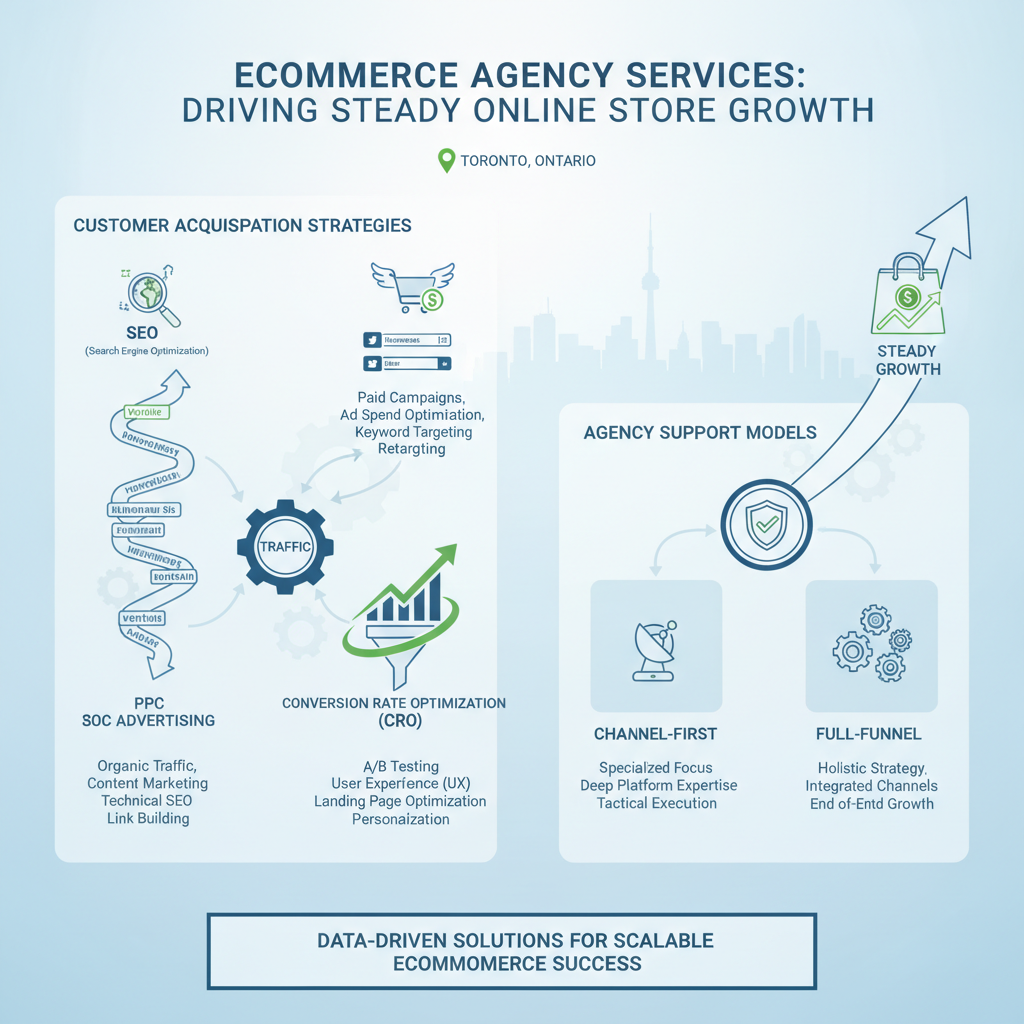
An ecommerce agency can help flower businesses connect those moving parts into a clearer growth system. For a broader explanation of how agencies support online store performance, this article on ecommerce agency insights for steady online store growth outlines the core idea: sustainable ecommerce growth usually comes from aligning traffic, conversion, tracking, and revenue decisions rather than treating each channel separately.
That matters in the flower industry because buying behaviour can shift quickly. A customer may need same-day roses, a sympathy arrangement, wedding flowers, a birthday bouquet, or a plant gift, and each search has a different level of urgency. A team that understands Digital Marketing Services can help connect SEO, paid media, product pages, delivery information, and analytics into one practical plan.
Why flower ecommerce stores need more than attractive product photos
Flowers are visual, emotional, and time-sensitive. A well-designed bouquet page can influence trust, but shoppers also need clear delivery areas, occasion guidance, pricing, availability, substitution notes, add-on options, and a smooth checkout path. If any of those elements are unclear, even strong traffic may not turn into orders.
This is where an ecommerce agency can be useful. The goal is not only to bring more visitors to a floral website. It is to bring in shoppers with purchase intent, guide them to the right arrangement, reduce friction during checkout, and measure which campaigns, keywords, and pages are actually supporting orders.
For a flower business, that work may involve improving category pages for occasions such as birthdays, anniversaries, sympathy flowers, wedding consultations, seasonal arrangements, plants, or same-day delivery. It may also include paid search campaigns, local SEO improvements, email remarketing, product feed cleanup, and better analytics setup.
What an ecommerce agency does for a florist or flower delivery brand
An ecommerce agency works on the digital levers that influence online sales. For a flower shop, those levers often include search visibility, product merchandising, local delivery pages, checkout experience, paid campaign performance, and tracking accuracy.
Good agencies do not treat every channel as a separate task. A weak bouquet page can hurt both organic rankings and paid ad performance. Unclear delivery information can reduce conversions from high-intent searches. Poor tracking can make Google Ads Management look less effective because orders, calls, or assisted conversions are not being measured properly.
For flower businesses, ecommerce support often falls into four connected areas:
- Acquisition: Bringing in qualified shoppers through SEO, paid search, shopping campaigns, local search, and content built around occasions and delivery intent.
- Conversion: Improving bouquet pages, add-ons, delivery messaging, mobile layout, cart flow, and checkout steps so more visitors complete an order.
- Measurement: Setting up analytics, event tracking, call tracking where relevant, and reporting that connects marketing activity to real orders or inquiries.
- Retention support: Encouraging repeat purchases through seasonal reminders, post-purchase journeys, remarketing, and customer segmentation.
How ecommerce strategy changes for flower shops in Toronto, Ontario
For florists serving Toronto, Ontario, online growth often depends on balancing local urgency with broader ecommerce visibility. Some customers search for “flower delivery near me” or “same-day flowers Toronto.” Others compare bouquet styles, prices, reviews, and delivery cutoffs before placing an order.
That local layer matters. Flower buyers often want reassurance that the shop can deliver to the right neighbourhood, meet a specific date, and provide an arrangement that matches the occasion. A business competing in Toronto, the GTA, or nearby areas may need a strategy that connects local SEO, product-led ecommerce SEO, paid search, and conversion improvements.
Where flower ecommerce strategy usually shows up
In areas such as Downtown Toronto, North York, Scarborough, Etobicoke, Markham, and Richmond Hill, shoppers may be looking for fast delivery, premium floral design, wedding consultations, funeral flowers, office arrangements, or plant gifts. That means a flower website should not rely only on a generic product catalogue. It should help customers quickly understand service areas, occasion options, delivery timing, and how to choose the right arrangement.
What florists should consider before hiring support
Before choosing an ecommerce agency, a flower business should identify its main bottleneck. Is the site invisible in search? Are paid ads bringing clicks but few orders? Are shoppers abandoning the cart after seeing delivery fees or limited date options? Are wedding and event inquiries not being tracked properly? These questions help separate general marketing activity from a real growth plan.
How to compare ecommerce agency support for a flower business
Not every ecommerce agency works the same way. Some focus mostly on traffic. Others focus on conversion rate optimization, analytics, platform improvements, or full-funnel growth. The right fit depends on where the flower store is losing opportunity.
Strategy focus: traffic-first, conversion-first, or full-funnel
Traffic-first agencies focus on increasing visibility through SEO, PPC, shopping campaigns, or paid social.
- Best fit: Flower shops with strong product pages and checkout performance that mainly need more qualified visitors.
- Example: A florist with a polished online store may need stronger paid search and local SEO for seasonal campaigns.
Conversion-first agencies start by fixing the buying journey before increasing traffic.
- Best fit: Flower websites that already get visits but struggle with low order volume.
- Example: A shop may need clearer delivery cutoff messaging, better mobile product pages, or simplified add-on selection before scaling ads.
Full-funnel agencies connect acquisition, website performance, and measurement into one workflow.
- Best fit: Florists that want SEO, PPC, page improvements, and reporting managed together.
- Example: A flower delivery brand promoting Valentine’s Day, Mother’s Day, sympathy flowers, and wedding inquiries may benefit from a coordinated plan.
Platform support: recommendations only or implementation support
Recommendation-only support means the agency identifies issues, but the florist or web developer handles implementation.
- Best fit: Businesses with internal web support.
Platform-aware support means the agency can work with common ecommerce platforms and make many updates directly.
- Best fit: Flower shops that need faster changes to product pages, landing pages, tracking, and SEO elements.
Build-plus-growth support combines site improvement with ongoing marketing.
- Best fit: Florists redesigning their website, adding ecommerce, or improving online ordering for delivery and pickup.
Reporting style: activity reports or business-focused reporting
Activity-based reporting shows tasks completed, impressions, clicks, and general campaign updates.
KPI-based reporting tracks conversion rate, order volume, cost per acquisition, organic traffic movement, and campaign contribution.
Business-focused reporting connects marketing to practical flower shop decisions, such as which occasions, categories, delivery areas, or product types are producing the strongest customer actions.
SEO and PPC for online flower sales
SEO and PPC both matter for flower ecommerce, but they serve different purposes. SEO helps build long-term visibility for product categories, occasions, delivery areas, and informational searches. PPC can create faster visibility for urgent searches, seasonal campaigns, promotions, and high-intent keywords.
For example, a florist may use PPC to support Valentine’s Day, Mother’s Day, Christmas arrangements, or same-day delivery searches. At the same time, SEO can strengthen pages for birthday flowers, sympathy flowers, wedding florals, rose bouquets, orchids, plants, and local delivery areas.
In many cases, the best approach is not choosing SEO or PPC permanently. It is deciding which channel should lead first based on timing, demand, and site readiness. A flower shop with weak product content may need SEO and page improvements before aggressive ad expansion. A florist preparing for a major seasonal rush may use paid campaigns while also improving organic landing pages for future demand.
Steps for building a stronger flower ecommerce growth plan
Step 1: Audit current demand sources
Review where orders and inquiries currently come from. Are customers finding the store through branded searches, local delivery searches, paid ads, social media, direct traffic, or repeat purchases? This helps identify whether SEO, PPC, local visibility, or conversion work has the highest priority.
Watch for: Strong traffic but low order completion.
Good sign: Some category or occasion pages already receive qualified search traffic.
Step 2: Review product and category pages
Flower shoppers need clear product details. Bouquet size, colour palette, delivery timing, substitution policy, add-ons, and occasion fit should be easy to understand. If product pages leave too many questions unanswered, more traffic may not solve the sales problem.
Watch for: Beautiful images with limited buying information.
Good sign: Product pages answer common customer questions before checkout.
Step 3: Improve local and delivery-area visibility
For florists with defined service areas, local search can be a major part of ecommerce performance. Delivery pages, location-aware content, and clear service-area messaging can help shoppers quickly confirm whether the business serves their recipient’s address.
Watch for: Generic delivery language that does not explain neighbourhoods, timing, or pickup options.
Good sign: Customers can quickly verify delivery availability before adding products to cart.
Step 4: Align paid campaigns with seasonal demand
Flower demand often rises around specific occasions. Paid campaigns should reflect the season, product availability, delivery deadlines, and landing page experience. Sending all paid traffic to the homepage can create unnecessary friction.
Watch for: Ads promoting an occasion but landing on a generic page.
Good sign: Campaigns point to relevant bouquet collections, gift pages, or delivery-specific landing pages.
Step 5: Connect reporting to orders and inquiries
Tracking should show which campaigns, pages, and keywords support purchases, calls, forms, and consultation requests. This is especially important for florists that sell both ecommerce products and higher-touch services such as weddings, events, installations, or corporate floral programs.
Watch for: Reports that show clicks but do not connect activity to orders or qualified inquiries.
Good sign: One reporting view connects SEO, PPC, conversions, and revenue-related actions.
What experienced ecommerce teams notice on flower websites
- Delivery clarity affects conversion. Customers often want to know service areas, cutoff times, fees, and delivery date options before committing to an order.
- Occasion pages are often underused. Birthday flowers, sympathy arrangements, wedding flowers, anniversary bouquets, and seasonal collections can each support different search intent.
- Mobile experience is critical. Many flower purchases happen quickly, often from phones, especially when the buyer needs a last-minute gift.
- Product naming matters. Clear bouquet names, descriptive titles, and helpful category structure can support both search visibility and shopper confidence.
- Tracking gaps can distort decisions. If online orders, phone calls, forms, and assisted conversions are not measured properly, it becomes harder to know which marketing activities are working.
How SEO services support flower ecommerce growth
SEO for a flower business is not only about ranking the homepage. It can include technical SEO, product-page optimization, category content, internal linking, local landing pages, image optimization, and informational content that helps shoppers choose the right arrangement.
For businesses that serve local customers and sell online, SEO Services can support both discovery and conversion. A florist may need to appear for delivery-related searches, occasion-based searches, product-specific searches, and branded searches from returning customers.
Useful SEO work for a flower website may include:
- Optimizing occasion categories: Birthday flowers, sympathy flowers, wedding florals, romantic bouquets, congratulations flowers, and seasonal arrangements.
- Improving delivery pages: Clear service-area content for local flower delivery and pickup options.
- Strengthening product pages: Better titles, descriptions, image alt text, FAQs, and internal links.
- Fixing technical issues: Crawlability, duplicate pages, slow load times, broken links, and structured site navigation.
- Supporting content planning: Helpful guides about flower selection, care tips, seasonal gifting, and occasion etiquette where appropriate.
Quick signs an ecommerce agency understands flower retail
A useful agency will ask about more than traffic. For a flower business, they should want to understand delivery logistics, seasonal peaks, product availability, substitutions, local service areas, order margins, wedding or event inquiries, and repeat-purchase opportunities.
They should also review the full buying path. Can customers find the right bouquet quickly? Is mobile checkout simple? Are delivery dates clear? Are add-ons easy to select? Is the site tracking orders and inquiries correctly? These questions often reveal whether the next growth opportunity is traffic, conversion, measurement, or merchandising.
FAQs About Ecommerce Agencies for Flower Businesses
Does a florist need an ecommerce agency?
A florist may benefit from an ecommerce agency if online orders, delivery-area visibility, paid ads, SEO, tracking, and website performance all need to work together. If the challenge is only one small task, a freelancer may be enough. If the challenge affects several parts of the buying journey, agency support can be more practical.
Can an ecommerce agency help with same-day flower delivery searches?
Yes. Same-day flower delivery searches often combine local intent and urgency. An agency can help improve local pages, paid search campaigns, delivery messaging, and conversion paths so shoppers can quickly confirm availability and place an order.
Should a flower shop use SEO or PPC first?
It depends on timing and site readiness. PPC can be useful for immediate visibility, seasonal campaigns, and urgent searches. SEO is better for building longer-term visibility around occasions, products, and delivery areas. Many flower businesses use both, with different roles.
What should a flower ecommerce website track?
Important actions may include completed orders, add-to-cart events, checkout starts, phone calls, contact forms, wedding consultation requests, delivery-area page visits, and repeat-purchase behaviour. Clean tracking helps connect marketing activity to business outcomes.
What matters most on a flower product page?
Strong flower product pages usually need clear images, helpful descriptions, price clarity, size or arrangement details, delivery date information, substitution notes, add-on options, trust signals, and a simple path to checkout.
Steady online flower sales come from connected decisions
For flower shops, ecommerce growth is rarely about one isolated tactic. Better results usually come from connecting search visibility, paid campaigns, product merchandising, local delivery information, checkout usability, and accurate measurement. An ecommerce agency can help make those pieces work together instead of leaving each channel to operate on its own.
If your flower business is trying to improve online orders, local visibility, or campaign efficiency, the useful starting point is a clear diagnosis: where are shoppers finding you, where are they dropping off, and which improvements should happen first? For help thinking through SEO and PPC questions, 📩 Ask an SEO/PPC question.
Related Topics:
- flower ecommerce marketing
- online flower delivery SEO
- florist PPC campaigns
- local search marketing
- conversion optimization for flower shops
- analytics and tracking setup