
Internet Advertising for Flower Shops, Florists, and Floral Brands
Internet advertising is the paid promotion of a business through online channels such as search engines, social media platforms, websites, video placements, shopping feeds, and mobile apps. For flower businesses, it can help promote everyday bouquets, wedding floral consultations, sympathy arrangements, same-day delivery, seasonal collections, workshops, and event services to people who are actively searching or likely to be interested.
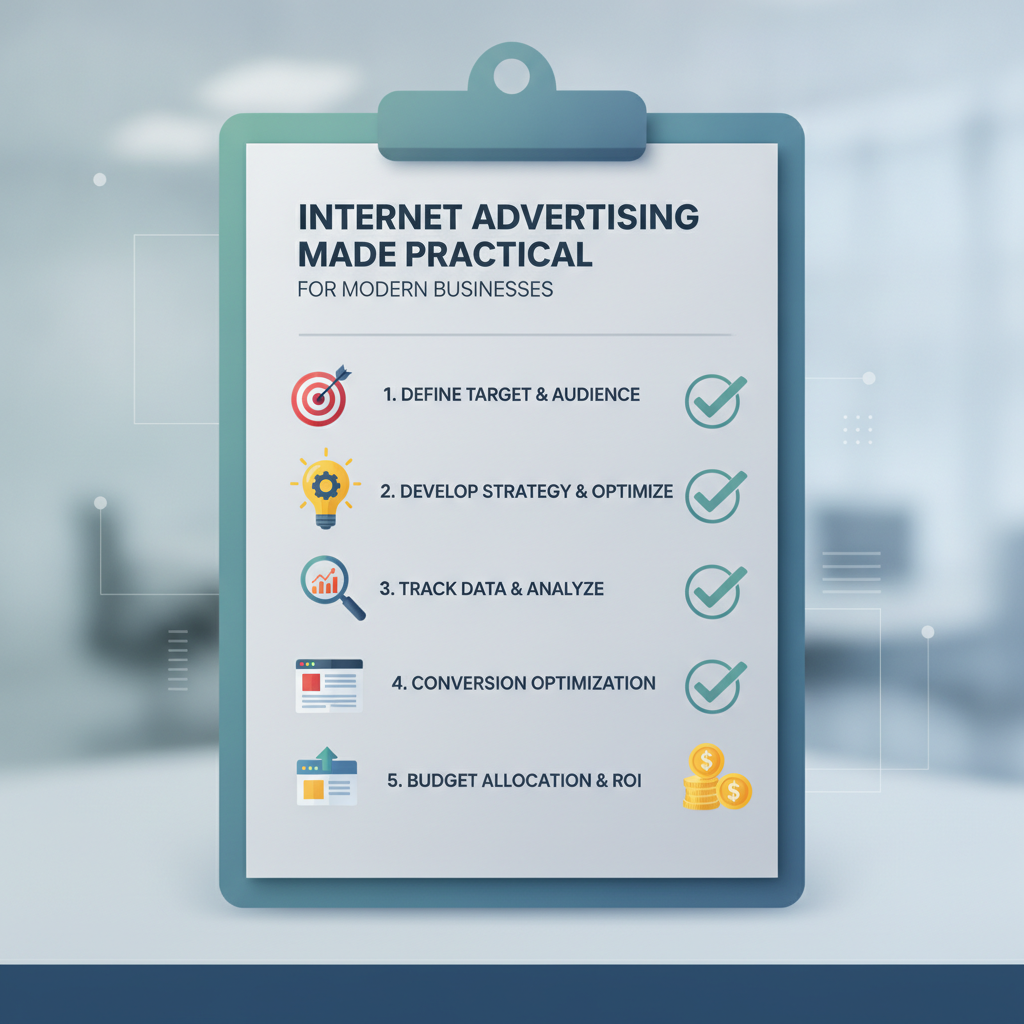
A broader business-focused explanation of this topic is available in the original guide to internet advertising made practical for modern businesses. For a flower-focused website, the same SEO intent still matters: florists need to understand how paid visibility works, how it connects with organic growth, and how to avoid spending money on clicks that do not become orders, calls, consultations, or repeat customers.
Paid advertising should not replace long-term search visibility. Many floral businesses use ads alongside SEO Services, because paid campaigns can support immediate promotions while SEO builds lasting visibility for searches like flower delivery, wedding florist, funeral flowers, and seasonal arrangements. The best approach usually connects advertising, website quality, product pages, local trust signals, and accurate tracking.
Why Internet Advertising Matters in the Flower Industry
Flower purchases are often time-sensitive, emotional, seasonal, or occasion-driven. Someone may need a bouquet delivered today, compare florists for a wedding months in advance, or browse arrangements before a holiday. Internet advertising helps a flower business appear at the right moment with a message that matches the buyer’s need.
For example, search advertising can reach people looking for “same-day flower delivery,” while social media ads may introduce a new Valentine’s Day collection before people begin searching. Remarketing can remind previous visitors about an unfinished order or a consultation request. Shopping-style placements may support e-commerce floral products when product data, images, and availability are well organized.
However, success depends on more than launching ads. A campaign can attract visitors and still underperform if delivery details are unclear, the product page is slow, the checkout process is confusing, or conversion tracking is incomplete. For florists, the full path matters: search or audience, ad message, arrangement page, delivery information, checkout or enquiry form, and follow-up.
How Internet Advertising Works for Florists
Most internet advertising campaigns are built from a few connected parts: targeting, bidding, ad creative, landing pages, and conversion tracking. A florist chooses who should see the ad, where it should appear, what action the customer should take, and how success will be measured. That action could be an online order, phone call, quote request, wedding consultation, newsletter signup, or visit to a local shop page.
In search ads, the campaign is usually driven by keywords and user intent. In social and display campaigns, audience signals, visuals, location, and creative quality play a larger role. For flower businesses, strong visuals are especially important, but the image alone is not enough. The ad should also make the occasion, delivery area, product type, and next step clear.
This is where Google Ads Management becomes more than basic setup. A well-managed campaign reviews search terms, removes irrelevant clicks, improves ad copy, tests landing pages, and checks whether paid traffic is leading to real orders or enquiries.
Which Types of Internet Advertising Fit Flower Businesses?
Not every advertising format serves the same purpose. Some campaigns capture urgent demand, while others build awareness before a major buying occasion. A florist promoting same-day delivery may need a different campaign than a floral designer booking wedding consultations or a flower farm selling seasonal subscriptions.
Search Intent Campaigns
A) Search ads: Search ads place a flower business in front of people actively looking for a product or service.
- How it works: Ads appear for keyword-based searches, and relevance between the search term, ad, and landing page affects campaign efficiency.
- Best fit: Same-day flower delivery, local florist searches, wedding florist enquiries, funeral flowers, corporate flowers, and event floral services.
- Example: A florist may advertise for searches related to flower delivery in a specific city or neighbourhood.
B) Shopping-style product ads: Product-based ads can show images, prices, and product details directly to shoppers.
- How it works: Product feed information helps platforms understand what is being sold, including titles, images, pricing, and availability.
- Best fit: Florists with online ordering, bouquet collections, gift baskets, plants, or seasonal products.
- Example: A shop with birthday bouquets, rose arrangements, and sympathy flowers can use clear product data to support more relevant ad delivery.
C) Local and map-driven ads: Local campaigns help flower shops reach nearby customers who may call, visit, or order for local delivery.
- How it works: Location signals, business profile quality, service area, and relevance help determine visibility.
- Best fit: Independent flower shops, local delivery services, garden centres, and florists serving defined neighbourhoods.
- Example: A florist may combine local paid visibility with accurate business hours, delivery areas, reviews, and shop information.
Audience-Building Campaigns
A) Social media advertising: Social ads are useful when buyers are not searching yet but may respond to seasonal inspiration, gift ideas, or visual floral design.
- How it works: Platforms use audience data, engagement signals, and creative formats to deliver ads in feeds, stories, reels, and video placements.
- Best fit: Valentine’s Day, Mother’s Day, weddings, workshops, subscription bouquets, floral styling, and brand awareness.
- Example: A florist may promote a spring bouquet collection before customers begin making occasion-based searches.
B) Display advertising: Display ads use visual placements across websites and apps.
- How it works: Targeting can be based on audiences, topics, placements, or previous website visitors.
- Best fit: Awareness, retargeting, gift reminders, and seasonal campaigns.
- Example: A visitor who viewed wedding floral packages but did not enquire can later see a reminder ad.
C) Video advertising: Video gives florists room to show arrangements, explain design style, or introduce event services.
- How it works: Video ads are placed using audience, interest, or contextual targeting, often with short attention windows.
- Best fit: Wedding portfolios, behind-the-scenes floral design, seasonal launches, workshops, and brand storytelling.
- Example: A floral studio may use short videos to show ceremony installations, bouquet preparation, or shop atmosphere.
Follow-Up and Efficiency Campaigns
A) Remarketing: Remarketing reconnects with people who previously visited the website or engaged with the brand.
- How it works: Audience lists are built from website visits, platform engagement, or past customer actions, then matched with follow-up ads.
- Best fit: Wedding florals, event enquiries, subscription flowers, corporate accounts, and seasonal gift reminders.
- Example: Someone who viewed Mother’s Day arrangements may later see an ad reminding them to order before delivery slots fill.
B) Multi-network automation: Automated campaigns can place ads across several channels using available assets and conversion data.
- How it works: Platforms use product data, audience signals, creative assets, and conversion history to allocate spend.
- Best fit: Flower shops with reliable tracking, strong product images, clear conversion actions, and organized product feeds.
- Example: An online flower shop with purchase tracking may test automation after its core search and product data are in good shape.
C) Landing-page testing: This is not an advertising channel, but it often determines whether ad traffic becomes revenue.
- How it works: Product pages, forms, headlines, delivery messaging, and checkout steps are reviewed and improved.
- Best fit: Almost every floral advertiser, especially those paying for traffic during competitive seasonal periods.
- Example: A same-day delivery ad should lead to a page that clearly shows delivery cutoff times, service area, arrangement options, and checkout steps.
What Florists Should Check Before Spending More on Ads
Increasing budget does not usually fix weak campaign structure. Before spending more, a flower business should review whether the campaign is attracting the right audience, sending them to the right page, and measuring the right outcome.
Step 1: Define the Main Conversion
A campaign should have a clear goal, such as an online bouquet order, phone call, contact form, wedding consultation request, or event quote enquiry. Without a defined conversion, the campaign may optimize for clicks instead of useful business actions.
Main check: Make sure the conversion is trackable and tied to a real customer action.
Common issue: Counting every website visit as success can hide weak order quality or poor enquiry fit.
Step 2: Match the Campaign to the Buying Moment
A customer searching for funeral flowers may need immediate help, while a wedding client may be comparing styles and availability over a longer period. The campaign type should match the customer’s stage of decision-making.
Main check: Ask whether the buyer is ready to order now or needs inspiration and follow-up first.
Common issue: Expecting instant sales from broad awareness ads without remarketing or a clear next step.
Step 3: Refine Targeting and Exclusions
Florists often serve specific delivery zones, event regions, or neighbourhoods. Ads shown outside those areas can waste budget. Negative keywords, location settings, audience refinements, and delivery-area controls help reduce irrelevant traffic.
Main check: Review search terms, locations, devices, and audiences that are spending money without producing useful outcomes.
Common issue: Advertising broadly for flower-related terms without filtering searches that do not match the shop’s services.
Step 4: Align the Landing Page With the Ad
If an ad promotes same-day roses, the landing page should not send visitors to a generic homepage. It should show relevant products, availability, delivery details, and a clear checkout or enquiry path.
Main check: Compare the ad promise with the first visible section of the landing page.
Common issue: Sending all paid traffic to the homepage instead of a product, category, or service-specific page.
Step 5: Review Performance Regularly
Paid campaigns need ongoing review. Search terms change, seasonal demand shifts, delivery capacity changes, and product availability may affect results. Regular checks help prevent wasted spend and keep ads aligned with real business needs.
Main check: Review search terms, order quality, call quality, form submissions, and checkout performance together.
Common issue: Relying only on platform metrics while ignoring whether orders are profitable, deliverable, or aligned with the shop’s services.
What Experienced Advertisers Want Flower Businesses to Know
- Visual appeal matters, but intent matters too. Beautiful floral images can attract attention, but the campaign still needs the right audience, clear offer, and relevant landing page.
- Seasonal campaigns need preparation. Holidays and major flower-buying occasions often require earlier planning for creative, product pages, budgets, and delivery messaging.
- Local trust can influence conversion. Reviews, service area clarity, delivery details, shop information, and simple contact options can help paid visitors feel more confident.
- Lead quality matters for events. Wedding and corporate floral enquiries should be judged by fit, budget alignment, timing, and service area, not just form volume.
- Tracking must be reliable. If calls, orders, and forms are not measured properly, advertising decisions can drift away from real outcomes.
Choosing a Digital Marketing Partner for a Flower Business
Florists and floral brands often need more than ad buying. A useful partner should understand how paid traffic connects to product pages, local search, delivery messaging, wedding enquiry forms, analytics, and long-term organic visibility. If an agency only focuses on clicks, it may miss the parts of the website that determine whether those clicks become customers.
When comparing Digital Marketing Services, ask practical questions. Who owns the ad account? How are conversions tracked? How often are search terms reviewed? Are landing pages part of the process? Can the team support SEO, paid ads, analytics, and website improvements together?
What to Screen For
- Account and data ownership: The business should retain access to advertising platforms, analytics, and tag management.
- Local campaign discipline: The team should understand delivery areas, service regions, location targeting, and local search behaviour.
- Product and service page alignment: Ads should lead to pages that match the flower type, occasion, or service being promoted.
- Conversion tracking: Orders, calls, forms, and consultation requests should be measured clearly.
- Cross-channel thinking: Paid advertising should work with SEO, content, local listings, email, and website improvements where relevant.
What Shapes ROI for Flower Advertising Campaigns?
Return on investment in internet advertising is shaped by a chain of decisions. The audience matters. The search intent matters. The product page matters. Delivery details matter. Checkout clarity matters. Follow-up speed matters. If one part is weak, the campaign can appear active while business results remain inconsistent.
Flower businesses also face timing considerations. Some campaigns are tied to immediate need, such as sympathy flowers or same-day delivery. Others support longer decisions, such as weddings, corporate accounts, subscriptions, and event installations. The way ROI is measured should reflect the type of customer journey involved.
Common ROI Drivers
- Search intent: A buyer looking for local delivery today behaves differently from someone browsing general floral inspiration.
- Delivery clarity: Cutoff times, fees, service areas, and pickup options should be easy to understand.
- Page relevance: Ads for roses, sympathy flowers, or wedding florals should lead to matching pages.
- Checkout and enquiry friction: Long forms, confusing options, or unclear pricing can reduce response quality.
- Measurement accuracy: Campaign decisions depend on reliable tracking for orders, calls, forms, and consultation requests.
SEO vs PPC for Florists
SEO and PPC are often compared, but they solve different problems. SEO builds long-term unpaid visibility for searches related to flower delivery, floral arrangements, wedding flowers, event florals, plant gifts, and local florist services. PPC creates immediate paid visibility for selected searches, audiences, or promotions.
A newer flower shop may use PPC to gain visibility while its organic presence grows. An established florist may use SEO for evergreen search traffic and PPC for holidays, new collections, or competitive service areas. Many businesses use both because paid campaigns can reveal which search terms convert, while SEO can build deeper content and category pages around valuable topics.
For florists, the strongest digital strategy often includes strong website structure, well-written service pages, local SEO, accurate tracking, and a site that makes ordering or enquiring easy. If the website itself needs improvement, Website Design & Development can be part of making paid and organic traffic more useful.
A Practical Comparison
- SEO: Better for long-term visibility, local search presence, educational content, and recurring organic traffic.
- PPC: Better for immediate visibility, seasonal promotions, urgent delivery searches, and testing offers.
- Blended strategy: Useful when a flower business wants near-term sales and long-term search resilience.
How Local Flower Shops Can Compete Online
Local competition is not only about budget. A smaller florist can compete when campaigns are focused, location targeting is accurate, and the website clearly explains delivery areas, products, services, and trust signals. Relevance often matters as much as reach.
A local flower shop should make sure paid ads reflect real customer behaviour. A customer searching for a nearby florist may want fast delivery, fresh arrangements, a phone number, reviews, or pickup information. A wedding client may want portfolio images, style fit, service area, and an enquiry form. Each campaign should match the buyer’s need.
Ways Local Florists Can Improve Competitiveness
- Use precise geography: Advertise where delivery, pickup, or service is realistic.
- Show local trust signals: Include reviews, shop details, delivery information, and clear contact options.
- Match pages to searches: Send users to relevant product, occasion, or service pages.
- Track meaningful actions: Separate calls, online orders, wedding enquiries, and general contact forms.
- Plan around seasons: Prepare ads and pages before peak flower-buying periods rather than during them.
Quick Facts About Internet Advertising for Flower Businesses
- Internet advertising is measurable when tracking is set up correctly. Without reliable tracking, campaign reports can be misleading.
- Clicks are not the final goal. Florists need orders, calls, consultations, qualified enquiries, and repeat customers.
- Landing pages matter. Product images, delivery details, pricing clarity, and calls to action affect results.
- Seasonal timing affects strategy. Campaigns for holidays, weddings, and events should be planned with enough time for creative and page preparation.
- SEO and paid ads can support each other. PPC can test demand quickly, while SEO builds longer-term search visibility.
FAQs About Internet Advertising for Florists
How quickly can internet advertising help a flower shop?
Paid campaigns can begin driving traffic soon after launch, but useful business results depend on targeting, ad relevance, product pages, tracking, delivery clarity, and follow-up. Early campaign data is often used to refine search terms, remove irrelevant traffic, and improve conversion quality.
Is paid advertising better for flower delivery or wedding florals?
It can support both, but the campaign structure will differ. Flower delivery campaigns often focus on urgent local searches and online orders. Wedding floral campaigns may require visual content, remarketing, consultation forms, and a longer decision path.
What usually wastes ad spend for florists?
Common causes include broad targeting, missing location controls, irrelevant keywords, weak product pages, unclear delivery information, poor checkout experience, and incomplete conversion tracking. Ads may generate clicks but still fail if visitors cannot quickly find what they need.
Should a florist invest in SEO or paid ads first?
The answer depends on timing and goals. Paid ads can create faster visibility for urgent promotions or seasonal campaigns, while SEO builds long-term organic visibility. Many florists use paid campaigns for immediate demand and SEO for durable growth.
What should a flower business ask before hiring advertising help?
Ask who owns the ad account, how conversions are tracked, how search terms are reviewed, whether landing pages are improved, and how reporting connects ad spend to orders, calls, or qualified enquiries. These questions help reveal whether the provider is focused on business outcomes or only ad activity.
Clear Next Steps for Florists Reviewing Internet Advertising
Internet advertising works best when it is treated as part targeting system, part measurement system, and part website improvement process. For flower businesses, the goal is not simply to buy traffic. The goal is to connect the right customer with the right floral product or service at the right moment, then make the next step easy.
If results feel inconsistent, review the connection between search intent, ad message, product or service page, delivery information, conversion tracking, and follow-up. For businesses that want support across SEO, PPC, analytics, landing pages, and campaign refinement, Zigma Internet Marketing provides practical implementation support. If tailored advice would help, 📩 Ask an SEO/PPC question.