
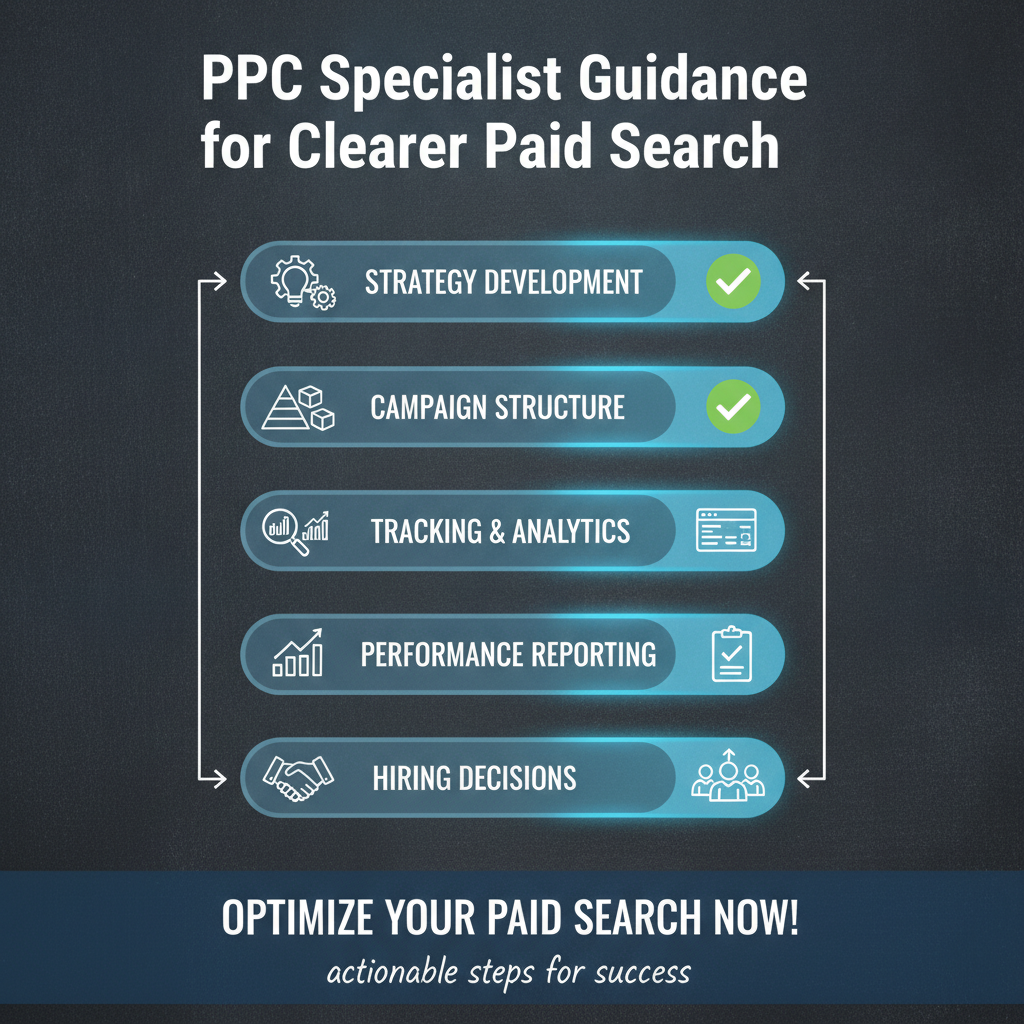
A PPC specialist helps flower businesses turn paid search traffic into measurable actions such as delivery orders, wedding consultation requests, sympathy arrangement inquiries, event floral leads, subscription signups, and calls to the shop. For florists, pay-per-click advertising is not just about appearing when someone searches for flowers; it is about reaching the right person at the right buying moment with the right landing page, offer, budget, and tracking setup.
If you want the broader paid-search explanation behind this role, this ppc specialist guidance for clearer paid search explains how PPC strategy connects keywords, ads, bidding, tracking, reporting, and business outcomes. For a flower-focused business, those same principles become especially important around seasonal peaks, local intent, delivery radius, product availability, and event-based customer journeys.
Clicks alone do not tell a florist whether a campaign is working. A paid ad may bring visitors to a rose bouquet page, a funeral flowers category, or a wedding inquiry form, but the real question is whether those visitors become profitable orders, qualified leads, repeat customers, or booked consultations.
Quick Facts: PPC Specialist for Flower Businesses
The practical version for florists and floral brands.
- What: A PPC specialist manages paid ads across keywords, budgets, ad copy, landing pages, tracking, and reporting.
- Who: The role is useful for flower shops, online florists, wedding floral designers, event florists, garden centers, and plant delivery brands.
- Where: PPC work often happens in Google Ads, Microsoft Ads, Google Analytics 4, Google Tag Manager, Merchant Center, and reporting dashboards.
- How: Campaigns are improved through search term reviews, negative keywords, ad testing, bid adjustments, conversion tracking, and landing page feedback.
- Why: Strong PPC management helps flower businesses reduce wasted clicks, improve order quality, and understand which campaigns support real revenue or leads.
Why PPC Matters in the Flower Industry
Flower purchases are often time-sensitive. Someone may need same-day delivery, a birthday bouquet, anniversary flowers, sympathy arrangements, prom corsages, wedding flowers, or corporate floral decor. These searches often carry strong intent, but they also vary widely in urgency, budget, and expected service level.
A PPC specialist helps separate those intentions. A search for “same day flower delivery near me” is different from “wedding florist consultation,” and both are different from “how to keep roses fresh.” Each query may deserve a different campaign, ad message, landing page, and conversion goal.
For a flower shop, the wrong PPC setup can spend budget on people outside the delivery area, DIY flower arrangement searches, job seekers, wholesale-only queries, or informational searches that are not likely to become orders. The right setup helps direct spend toward searches that match the florist’s products, service area, seasonal priorities, and capacity.
Businesses that want paid ads to connect with the rest of their marketing can review broader Digital Marketing Services so PPC, SEO, website structure, analytics, and conversion strategy support one another.
What a PPC Specialist Does for a Florist
A PPC specialist plans and manages pay-per-click campaigns, most commonly through Google Ads or Microsoft Ads. For florists, this includes choosing which flower-related searches to target, which to exclude, how much to spend, which products or services to promote, and how to measure results after the click.
The work may include search campaigns for local flower delivery, shopping campaigns for bouquet products, remarketing campaigns for past website visitors, performance campaigns for e-commerce flower sales, and lead generation campaigns for weddings or events.
Tracking is also a major part of the job. A florist may need to measure online purchases, phone calls, contact form submissions, wedding inquiry forms, quote requests, direction clicks, and newsletter signups. Not all of those actions have the same value, so a PPC specialist should help define which conversions matter most.
When managed through Google Ads Management, campaign data can be reviewed alongside landing pages, analytics, and customer acquisition goals rather than treated as isolated ad activity.
Flower Keywords Need Careful Search Intent Mapping
Flower-related keywords can look simple, but the intent behind them can be very different. A person searching “roses” may be browsing images, researching meanings, comparing prices, or ready to buy a dozen red roses for delivery. A PPC specialist studies these signals and structures campaigns so the ad experience matches the buyer’s likely goal.
For example, “funeral flowers delivery” may need compassionate ad copy, clear delivery details, and a direct path to appropriate arrangements. “Wedding florist near me” may need a consultation-focused landing page with portfolio examples, service areas, and a form. “Flower subscription” may need messaging around recurring delivery, gifting, or office arrangements.
Search term review is especially important. The keywords selected in Google Ads are not always the exact phrases people type. A specialist reviews real search queries and adds negative keywords to prevent the same irrelevant traffic from returning. For flower businesses, exclusions may involve DIY searches, free templates, drawing references, jobs, courses, artificial flowers, or locations outside the service area.
Seasonal Flower Campaigns Need More Than a Bigger Budget
Florists often experience demand around Valentine’s Day, Mother’s Day, Easter, graduation season, wedding season, Thanksgiving, Christmas, and local events. A common mistake is simply increasing the ad budget without adjusting campaign structure, landing pages, inventory messaging, delivery cutoffs, or conversion tracking.
A PPC specialist can help prepare seasonal campaigns before demand rises. That may include creating separate campaigns for specific occasions, updating ad copy, reviewing product availability, checking mobile checkout, confirming call tracking, and ensuring that landing pages reflect current delivery options.
Seasonal campaigns also need careful end dates. An ad promoting Valentine’s Day roses should not keep spending after the holiday if the landing page no longer matches the offer. A specialist monitors timing so the campaign remains aligned with customer intent.
Local PPC for Flower Delivery and Florist Searches
Local intent is central to many flower purchases. Searchers often want a nearby florist, same-day delivery, pickup availability, or delivery to a specific neighbourhood, hospital, funeral home, venue, or office district. A PPC specialist helps control location targeting so ads are not shown too broadly.
Important local PPC decisions include delivery radius, service-area targeting, location exclusions, call extensions, store visit signals where applicable, and landing page alignment. If a florist only delivers within certain postal codes or cities, campaigns should reflect those limits.
Ad copy can also pre-qualify searchers. Mentioning same-day availability, local delivery, wedding consultations, sympathy flowers, custom arrangements, or pickup options can help the right audience click while discouraging poor-fit traffic.
PPC for Wedding Florists and Event Floral Designers
Wedding and event floral campaigns usually require a different approach than everyday bouquet sales. The customer journey is longer, the inquiry is more consultative, and the conversion may be a form submission, phone call, or booked consultation rather than an immediate online purchase.
A PPC specialist should separate wedding and event campaigns from general flower delivery campaigns. The keywords, landing pages, ad copy, and reporting should reflect the longer decision process. A wedding florist may need to track consultation requests, venue-related searches, style-specific searches, and high-intent phrases such as “wedding florist near me” or “bridal bouquet consultation.”
Landing pages matter strongly in this category. A visitor looking for wedding flowers may need to see service details, inquiry steps, design style, location coverage, and a clear form. If every ad leads to a generic homepage, qualified visitors may leave before contacting the florist.
PPC Specialist vs Platform Automation
Advertising platforms now offer automated bidding, broad match targeting, campaign recommendations, and machine-learning-based delivery. These tools can be useful, but they still need human direction. For a flower business, automation may not understand delivery limits, seasonal inventory, lead quality, or the difference between a casual browser and a buyer with urgent intent.
Manual, automated, and hybrid PPC management for florists
A) Manual control: A PPC specialist directly manages keywords, match types, negative keywords, ad copy, bids, and budgets.
- How it works: The specialist reviews search terms, conversion data, device performance, and campaign goals before making changes.
- Best fit: Florists with limited budgets, specific service areas, niche offerings, or strong lead-quality concerns.
- Example: A florist may exclude searches for “flower jobs,” “DIY bouquet,” or areas outside the delivery zone.
B) Platform automation: Automated bidding and campaign types use platform signals to adjust delivery at scale.
- How it works: The platform uses conversion data, audience patterns, device signals, and auction conditions.
- Best fit: Accounts with accurate tracking, enough conversion data, and well-configured product or service information.
- Example: An online flower store may use automated bidding after purchase tracking and product feeds are properly configured.
C) Hybrid management: A PPC specialist sets the structure, tracking, exclusions, creative direction, and testing priorities while using automation where it supports the goal.
- How it works: The specialist gives the platform cleaner inputs and reviews whether automated decisions are producing useful business outcomes.
- Best fit: Many flower businesses because it combines machine learning with practical knowledge of products, seasons, and local service limits.
- Example: A florist may use automated bidding for online bouquet purchases while manually reviewing wedding inquiry search terms.
Skills to Look for in a PPC Specialist
Basic PPC setup can get flower ads running. Strong PPC management makes campaigns easier to measure, refine, and connect to real business outcomes. The difference is often visible in the details: clean campaign structure, accurate tracking, careful negative keywords, clear reporting, and landing page feedback.
Core capabilities for flower businesses
- Search intent mapping: Separating delivery, wedding, sympathy, event, subscription, and informational searches.
- Local targeting control: Aligning campaigns with actual pickup areas, delivery zones, and service locations.
- Seasonal planning: Preparing campaigns for holidays and removing outdated promotions when they no longer apply.
- Negative keyword discipline: Excluding irrelevant searches that waste budget repeatedly.
- Conversion tracking accuracy: Measuring orders, calls, forms, and qualified inquiries in a way that reflects business value.
- Landing page feedback: Identifying when the page after the click is limiting orders or inquiries.
- Readable reporting: Explaining what changed, why it changed, and what decision should follow.
How to Evaluate a PPC Specialist Before Hiring
Hiring a PPC specialist should involve more than asking whether they know Google Ads. A florist should listen for questions about products, delivery areas, seasonal demand, order value, lead quality, inventory, website experience, and conversion tracking.
Step 1: Ask how conversions will be defined
A flower shop may track online purchases, calls, contact forms, wedding inquiries, subscription signups, or quote requests. These actions should not all be treated as equal.
What to listen for: Clear separation between high-value actions and softer engagement signals.
Risk if skipped: Campaigns may optimize for easy actions that do not produce meaningful orders or leads.
Step 2: Review how search terms are handled
A PPC specialist should explain how search queries are reviewed and how negative keywords are added.
What to listen for: Practical examples involving irrelevant intent, location mismatch, DIY searches, and budget leakage.
Risk if skipped: The same poor-fit flower searches can keep spending budget month after month.
Step 3: Confirm local targeting and delivery limits
Flower delivery campaigns should match the areas the business can actually serve.
What to listen for: Discussion of service areas, location exclusions, delivery radius, and landing page messaging.
Risk if skipped: Ads may attract clicks from customers the florist cannot serve.
Step 4: Ask whether landing pages are reviewed
PPC performance depends heavily on the page after the click. A wedding inquiry page, sympathy flowers page, and same-day delivery page should not all function the same way.
What to listen for: Comments about page speed, mobile usability, product clarity, form friction, trust signals, and checkout steps.
Risk if skipped: Ads may send qualified visitors to pages that fail to convert them.
Step 5: Confirm account and data ownership
The business should understand who owns the ad account, analytics setup, tags, landing pages, and performance history.
What to listen for: Transparent access practices and clear documentation.
Risk if skipped: A florist may lose valuable campaign data or historical insights if a vendor relationship ends.
SEO and PPC Can Support Each Other for Flower Businesses
PPC and SEO solve different timing problems. PPC can help a florist appear quickly for commercial searches once campaigns are approved. SEO builds organic visibility over time through content, technical health, local relevance, and authority.
The two channels become stronger when their data is shared. PPC search terms can reveal which flower searches lead to orders or inquiries. SEO content can help answer recurring informational searches without relying only on paid clicks.
For example, a paid keyword that regularly produces valuable wedding inquiries may deserve a dedicated landing page and organic content support. A low-converting paid query about flower care may be better suited for an educational blog post. Florists that want this type of alignment can explore SEO Services alongside PPC management.
Common PPC Mistakes Florists Should Avoid
Many paid search problems are not obvious at first. They often appear as normal traffic, but over time they can distort reporting and waste budget.
- Targeting too large an area: Ads may show to people outside the florist’s delivery or service zone.
- Using one landing page for every search: Wedding, sympathy, birthday, and same-day delivery searches often need different page experiences.
- Ignoring negative keywords: DIY, job, free, wholesale, artificial, and unrelated searches may keep attracting clicks.
- Tracking every action as equal: A newsletter signup and a completed bouquet order should not carry the same value in reporting.
- Letting seasonal ads run too long: Holiday promotions can become irrelevant once the occasion has passed.
- Judging only by cost per click: A cheap click is not useful if it rarely becomes an order, call, or qualified inquiry.
A helpful question for any flower campaign is: would this campaign still look successful if you reviewed real orders and lead quality instead of only clicks?
Landing Pages Are Part of PPC Performance
A PPC specialist should not stop at the ad account. The page after the click can determine whether a visitor orders flowers, calls the shop, submits a wedding inquiry, or leaves.
For flower delivery, landing pages should make product choice, delivery options, pricing, checkout, and contact details easy to understand. For wedding or event florals, the page should support inquiry confidence with relevant service information and a clear next step.
If a flower business is driving paid traffic to weak or outdated pages, improving the website may be necessary before scaling ad spend. Support for Website Design & Development can help align landing pages with campaign goals.
What Useful PPC Reporting Should Include
PPC reporting should help a flower business understand cause and effect. If sales increased, the report should explain whether the change came from higher search demand, stronger conversion rates, improved targeting, seasonal volume, new ad tests, or budget changes.
Useful reports usually separate activity metrics from business metrics. Impressions, clicks, click-through rate, and cost per click show campaign activity. Orders, calls, inquiry forms, conversion rate, cost per conversion, and revenue-related signals show whether that activity helped the business.
A strong PPC specialist should also explain what changed, what was learned, and what will be tested next. Without interpretation, reporting can become a spreadsheet of numbers rather than a guide for better marketing decisions.
When a Flower Business May Not Be Ready for PPC
Not every flower business is ready to scale paid search immediately. PPC works best when the offer, website, tracking, delivery process, and customer response workflow are clear enough to support optimization.
If the website does not show accurate products, the checkout process is difficult, delivery zones are unclear, or inquiries are not followed up quickly, paid ads may expose those weaknesses. That does not mean PPC is the wrong channel; it means the foundation needs attention before more budget is added.
A full-funnel review can help decide whether to begin with PPC, landing page improvements, analytics setup, SEO, or a combination of these services.
Choosing a PPC Specialist for a Flower Business
A trustworthy PPC specialist should be able to explain how budget, search intent, conversion tracking, landing pages, and customer quality connect. For florists, the best PPC management is practical: it respects delivery areas, seasonal timing, product availability, and the difference between casual browsing and purchase-ready searches.
Zigma Internet Marketing supports PPC execution, analytics setup, landing page review, SEO, content, and web development as part of a connected digital marketing process. If you want help reviewing your flower-related paid search campaigns, you can contact Zigma Internet Marketing at (647) 556-6071 or [email protected].
FAQs About PPC Specialists for Florists
Do flower shops need a PPC specialist?
A flower shop may benefit from a PPC specialist if it relies on online orders, local delivery, phone calls, wedding inquiries, event leads, or seasonal campaigns. The specialist helps manage targeting, tracking, search terms, landing pages, and reporting.
Can PPC help with same-day flower delivery searches?
Yes, PPC can help a florist appear for high-intent searches such as same-day flower delivery, but the campaign must be aligned with real delivery availability, location targeting, cutoff times, and landing page clarity.
Should wedding florist campaigns be separate from flower delivery campaigns?
Usually, yes. Wedding florist searches often involve a longer decision process and lead-based conversions, while flower delivery searches may involve immediate purchases. Separate campaigns make messaging, landing pages, and reporting clearer.
What should a florist ask before hiring a PPC specialist?
Ask how conversions will be tracked, how delivery areas will be handled, how search terms will be reviewed, how seasonal campaigns will be managed, and whether landing pages will be assessed.
Can PPC improve flower order quality, not just traffic?
Yes. A PPC specialist can improve order or lead quality by refining keywords, excluding poor-fit searches, adjusting ad copy, aligning landing pages, and separating high-value conversions from low-value actions in reporting.