
How an online marketing business helps flower brands grow with clearer data
For florists, flower delivery shops, wedding floral designers, nurseries, and floral subscription brands, online visibility can directly affect how many customers discover arrangements, request quotes, place seasonal orders, or book consultations. An online marketing business helps organize the digital work behind that growth, including search engine optimization, paid search, website improvements, landing pages, content, social media campaigns, and analytics tracking.
The important shift is moving from “posting more” or “getting more clicks” to understanding which digital activities lead to real flower orders, event enquiries, calls, form submissions, and repeat customers. This approach is explored in Zigma’s original guide to online marketing business for smarter growth, and the same thinking applies naturally to flower businesses that want marketing decisions based on evidence rather than guesswork.
For a flower business, the question is not simply whether digital marketing matters. The more useful question is what should come first: improving local SEO for “florist near me,” running Google Ads for flower delivery, redesigning a wedding floral portfolio page, or fixing tracking so online orders and enquiry forms can be measured properly.
Zigma Internet Marketing supports this type of planning through Digital Marketing Services that connect strategy, execution, reporting, and ongoing refinement.
Quick facts for flower businesses using online marketing
A quick scan before the deeper details.
- Core role: An online marketing business helps flower companies attract relevant visitors, turn them into customers or enquiries, and measure which campaigns produce useful results.
- Main channels: SEO, Google Ads, landing pages, content, social media, email, analytics, and conversion rate optimization can work together for flower sales and floral service bookings.
- Key metrics: Online orders, phone clicks, form submissions, wedding consultation requests, delivery-area traffic, conversion rate, cost per lead, and lead quality matter more than traffic alone.
- Common risk: Spending on ads or social campaigns before tracking is working can make it hard to know which bouquets, services, or seasonal promotions actually generate revenue.
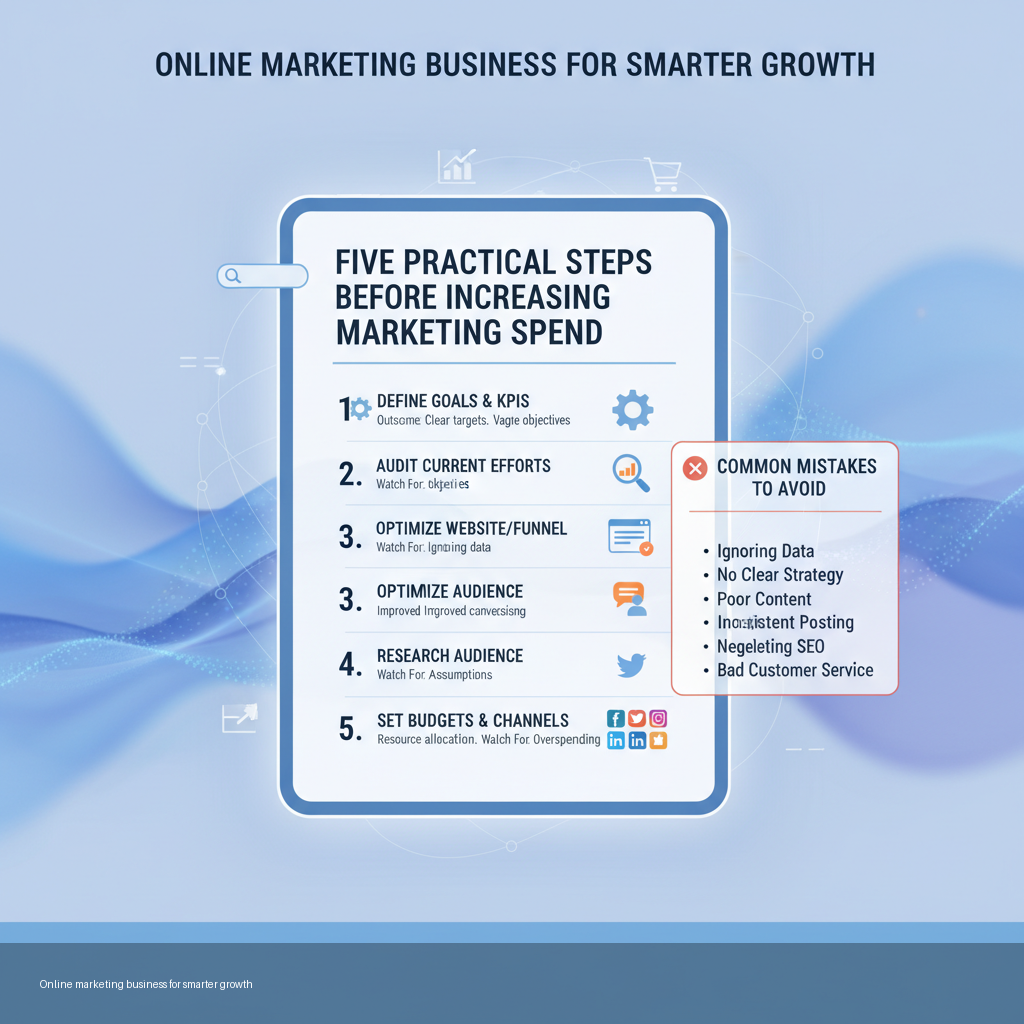
- Practical starting point: Review tracking, website conversion paths, local search visibility, ad targeting, product pages, and content gaps before increasing marketing spend.
Where flower marketing work usually starts
Effective online marketing for a flower business starts with diagnosis. Before adding more budget, the business needs to know whether its website can convert visitors, whether local search demand exists, whether ads are sending people to the right pages, and whether analytics can separate real customers from casual browsing.
For example, a florist may be receiving traffic to a Mother’s Day collection page, but the page may load slowly, hide delivery details, or make checkout confusing. A wedding florist may have beautiful portfolio images but no clear consultation form. A local flower shop may rank for broad informational searches while missing high-intent terms such as flower delivery, sympathy flowers, anniversary bouquets, or wedding florist services in its service area.
For flower companies building long-term visibility, SEO Services can help identify technical issues, content gaps, internal linking problems, and search intent mismatches that may limit organic performance.
Comparing the main digital growth channels for flower businesses
Different marketing channels solve different problems. A flower shop selling daily arrangements may need local search and delivery-area visibility. A wedding floral designer may need strong portfolio pages, educational content, and lead forms. A seasonal flower brand may need campaign timing, landing pages, paid search, and email support.
| Channel | Best use for flower brands | Common constraint | What to measure |
|---|---|---|---|
| SEO | Building visibility for local florist searches, flower delivery, wedding flowers, sympathy arrangements, plant care, and seasonal bouquet topics. | SEO often needs technical improvements, stronger content, local relevance, and time before patterns become clear. | Organic orders, enquiry forms, ranking movement, local search visibility, indexed pages, click-through rate, and conversions. |
| Google Ads | Reaching people actively searching for same-day flower delivery, Valentine’s Day flowers, funeral flowers, or wedding floral services. | Broad keywords, weak landing pages, unclear delivery areas, and missing conversion tracking can waste budget quickly. | Cost per order, cost per enquiry, conversion rate, search terms, impression share, lead quality, and return from campaigns. |
| Content marketing | Answering customer questions about bouquet selection, flower meanings, wedding floral planning, care tips, and seasonal arrangement ideas. | Content that is too general may attract readers who are not ready to buy or enquire. | Organic entrances, engagement, assisted conversions, keyword coverage, and usefulness in sales conversations. |
| Social media | Showcasing floral designs, promoting seasonal collections, building brand familiarity, and retargeting warm audiences. | Beautiful posts can create engagement without sales if goals, links, and tracking are unclear. | Qualified traffic, engagement quality, audience growth, assisted enquiries, and campaign-specific conversions. |
| Conversion rate optimization | Improving product pages, checkout, consultation forms, delivery information, call buttons, page speed, and trust cues. | CRO needs clean tracking and enough traffic to interpret results confidently. | Cart starts, completed orders, form starts, form completions, phone clicks, checkout progress, and enquiry quality. |
How strategy turns flower marketing tactics into a system
Many flower businesses already use several marketing tactics: Instagram posts, seasonal emails, Google Business Profile updates, paid ads, blog posts, and website product pages. The challenge is making these pieces work together instead of acting as separate tasks.
A strong strategy connects each channel to a customer journey. A person searching for “same-day flower delivery” may need a focused delivery page with available arrangements, delivery details, trust signals, and a clear checkout path. Someone searching for “wedding florist” may need a portfolio, service explanation, enquiry form, and content that answers planning questions. A returning website visitor may respond better to a reminder campaign or seasonal promotion.
Website quality sits at the centre of this system. If a floral website is slow, unclear, difficult to use on mobile, or missing key information about delivery, pricing, service areas, or consultations, more traffic may only reveal conversion problems faster. For flower businesses rebuilding or improving their site, Website Design & Development should consider search structure, page speed, tracking, content hierarchy, product organization, and conversion paths from the start.
Five practical steps before increasing flower marketing spend
Step 1: Confirm conversion tracking
Tracking should capture online orders, form submissions, phone clicks, consultation requests, subscription sign-ups, and other actions that carry business value. Without clean tracking, flower marketing decisions may rely on surface-level numbers such as clicks, impressions, or likes.
Outcome: Better visibility into which campaigns create real enquiries or purchases.
Watch for: Duplicate conversions, missing phone tracking, untagged forms, checkout events that do not fire correctly, and analytics events triggered before a customer completes an action.
Example: A Valentine’s Day ad campaign may appear successful because traffic increased, but tracking may show that only one landing page is producing completed orders.
Step 2: Review search intent before creating content
Search intent explains what a person expects after typing a query. Someone searching “how to make roses last longer” likely wants advice, while someone searching “rose bouquet delivery near me” is closer to buying. Each page should match the customer’s stage.
Outcome: Content that supports both education and sales without forcing every page to behave the same way.
Watch for: Blog posts targeting service keywords, product pages written like general guides, and thin pages created only to hold keywords.
Example: A page about “wedding flower packages” should address floral style, consultation process, event needs, galleries, enquiry steps, and planning considerations rather than offering only a generic description of wedding flowers.
Step 3: Check landing page friction
Landing pages should make the next action clear. For flower delivery, that may mean a visible delivery area, product availability, delivery date options, pricing clarity, and easy checkout. For event flowers, it may mean a simple enquiry form, portfolio examples, and clear service information.
Outcome: More value from existing traffic before more budget is added.
Watch for: Slow load times, hidden contact details, unclear product categories, weak headings, vague delivery information, generic copy, and forms that ask for too much too early.
Example: A Google Ads landing page for sympathy flowers may need clearer delivery timing, appropriate arrangement categories, trust cues, and a direct order path before bids are increased.
Step 4: Separate order volume from order quality
More enquiries do not always mean better growth. A wedding florist may receive many low-fit enquiries from people outside the service area, while a smaller number of qualified consultation requests may be more valuable. A delivery florist may need to compare order value, fulfillment fit, and customer type rather than counting orders alone.
Outcome: Budget decisions based on business usefulness rather than raw enquiry count.
Watch for: Spam forms, unrelated calls, low-intent queries, duplicate leads, out-of-area requests, and campaigns that look efficient before sales or fulfillment feedback is included.
Example: A paid search campaign may need negative keywords and tighter targeting if many clicks come from people looking for free flower images, DIY tutorials, or locations outside the delivery area.
Step 5: Build a reporting rhythm
Reporting should turn marketing activity into decisions. A useful report does not stop at rankings, traffic, or ad clicks. It explains what changed, why it may have changed, and what action should happen next.
Outcome: Continuous improvement based on visible signals.
Watch for: Dashboards overloaded with vanity metrics, reports without recommendations, and campaigns that keep running without review.
Example: A monthly review might connect organic traffic, ad spend, flower delivery orders, consultation forms, landing page conversion rate, and customer feedback in one discussion.
SEO versus PPC for florists and flower delivery brands
SEO and PPC solve different timing problems. SEO is usually better for building long-term visibility around local flower searches, care guides, service pages, and seasonal topics. PPC is usually better for faster demand testing, controlled targeting, and capturing people who are ready to order or enquire now.
A flower shop preparing for a seasonal rush may use paid search to send customers to a focused collection page. A wedding floral studio may use SEO and content to build authority around venue styles, floral planning questions, and consultation searches. Most flower businesses can benefit from both channels, but the balance depends on urgency, budget, website quality, margins, search demand, and follow-up process.
For paid search programs, Google Ads Management should include search term review, negative keywords, landing page alignment, conversion tracking, location targeting, and campaign efficiency checks rather than setup alone.
What affects return from flower marketing campaigns
Return from digital marketing is shaped by more than channel choice. A strong campaign can underperform if the website is unclear, checkout is difficult, tracking is broken, delivery details are missing, the offer does not match search intent, or enquiries are not followed up promptly.
Several factors deserve close attention:
- Message match: Ads, search snippets, product pages, and sales conversations should speak to the same customer need in consistent language.
- Conversion path clarity: Visitors need a clear next action, whether that is placing an order, calling the shop, completing a consultation form, or browsing a seasonal collection.
- Traffic quality: Search terms, location settings, audience filters, content topics, and referral sources influence whether visitors are likely to become customers.
- Product and service fit: Campaigns should guide people toward arrangements, delivery options, subscriptions, or floral services the business can realistically fulfill.
- Sales and fulfillment feedback: Marketing data becomes more useful when it is connected to which enquiries became serious conversations, orders, bookings, or repeat customers.
- Iteration speed: Campaigns improve when teams review evidence, make focused changes, and avoid changing too many variables at once.
Common mistakes that weaken online flower marketing
Most weak digital marketing programs do not fail because of one dramatic mistake. They usually drift because small issues stack up: unclear goals, incomplete tracking, unfocused content, weak landing pages, poor local SEO, and reports that describe activity without explaining business impact.
- Starting with channels instead of goals: Choosing SEO, PPC, or social media before defining the desired outcome can lead to activity that does not support orders or bookings.
- Publishing content without search purpose: Flower content should answer real customer questions, support a buying decision, or strengthen a useful topic cluster.
- Ignoring technical SEO: Crawl issues, slow pages, duplicate content, weak internal links, and poor site structure can limit organic visibility even when product images and writing are strong.
- Sending paid traffic to generic pages: Ads usually perform better when the landing page closely reflects the customer’s search, such as flower delivery, wedding flowers, sympathy arrangements, or seasonal bouquets.
- Hiding delivery and service details: If visitors cannot quickly understand delivery areas, availability, pricing signals, or enquiry steps, they may leave before taking action.
- Treating reporting as a formality: Reports should guide decisions. If no action follows the report, the data is not being used well.
How to judge a digital marketing partner for a flower business
A good digital marketing partner should be able to explain trade-offs clearly. That includes what should be fixed first, which channels need more time, where budget may be wasted, and which metrics deserve attention for a flower business.
Useful questions include: Which conversions will be tracked? How will order quality or enquiry quality be reviewed? What technical issues could limit SEO? Which landing pages need improvement before ads scale? How will local search visibility be handled? How often will campaigns be reviewed, and what decisions will each report support?
Look for practical evidence rather than polished promises. Clear reporting, analytics setup, conversion tracking, and experience across SEO, PPC, web development, content, and social media create a stronger foundation for accountable work.
FAQs about online marketing for flower businesses
These answers address common questions florists and flower business owners ask before investing more time or budget into digital growth.
How soon can a flower business get useful marketing data?
Paid campaigns can often produce early traffic and conversion signals within weeks, while SEO usually needs more time because technical fixes, content, indexing, and authority signals develop gradually. The first priority should be clean tracking so early data reflects real orders or enquiries rather than clicks alone.
Should a florist start with SEO or Google Ads?
The best starting point depends on the business constraint. If the website already converts and fast demand testing is needed, Google Ads may help. If the business wants durable visibility for local flower searches, delivery services, and seasonal topics, SEO and content may deserve more attention.
How can a flower shop tell whether leads are high quality?
Lead quality becomes clearer when marketing data is connected to sales and fulfillment feedback. Track which campaigns produce completed orders, qualified calls, consultation requests, repeat customers, or bookings. Raw enquiry count can be misleading if leads are unqualified, duplicated, or outside the delivery or service area.
Does a floral website need to be rebuilt before running ads?
A full rebuild is not always required, but the landing experience should be checked before ad spend increases. Page speed, mobile usability, product organization, delivery details, trust cues, forms, tracking, and checkout flow can strongly affect whether paid traffic turns into useful results.
How often should flower marketing campaigns be reviewed?
Campaigns should be reviewed often enough to catch waste and interpret patterns, but not so frequently that decisions are made from tiny data sets. Paid search may need weekly checks, while SEO reviews often work better through monthly technical, content, and performance analysis.
A clearer path from flower marketing activity to evidence
An online marketing business should reduce uncertainty for florists and flower brands. The work should clarify who is arriving, what they want, which pages help them act, and which campaigns create outcomes worth repeating. Strong digital marketing is not simply more traffic, more posts, or more ads; it is a connected system of tracking, testing, content, search visibility, paid media, website improvements, and conversion optimization.
Zigma Internet Marketing brings full-service execution and transparent reporting across SEO, PPC, web, content, analytics, and social media. If you want a practical review of where your digital marketing is helping or leaking value, 📩 Ask an SEO/PPC question.