
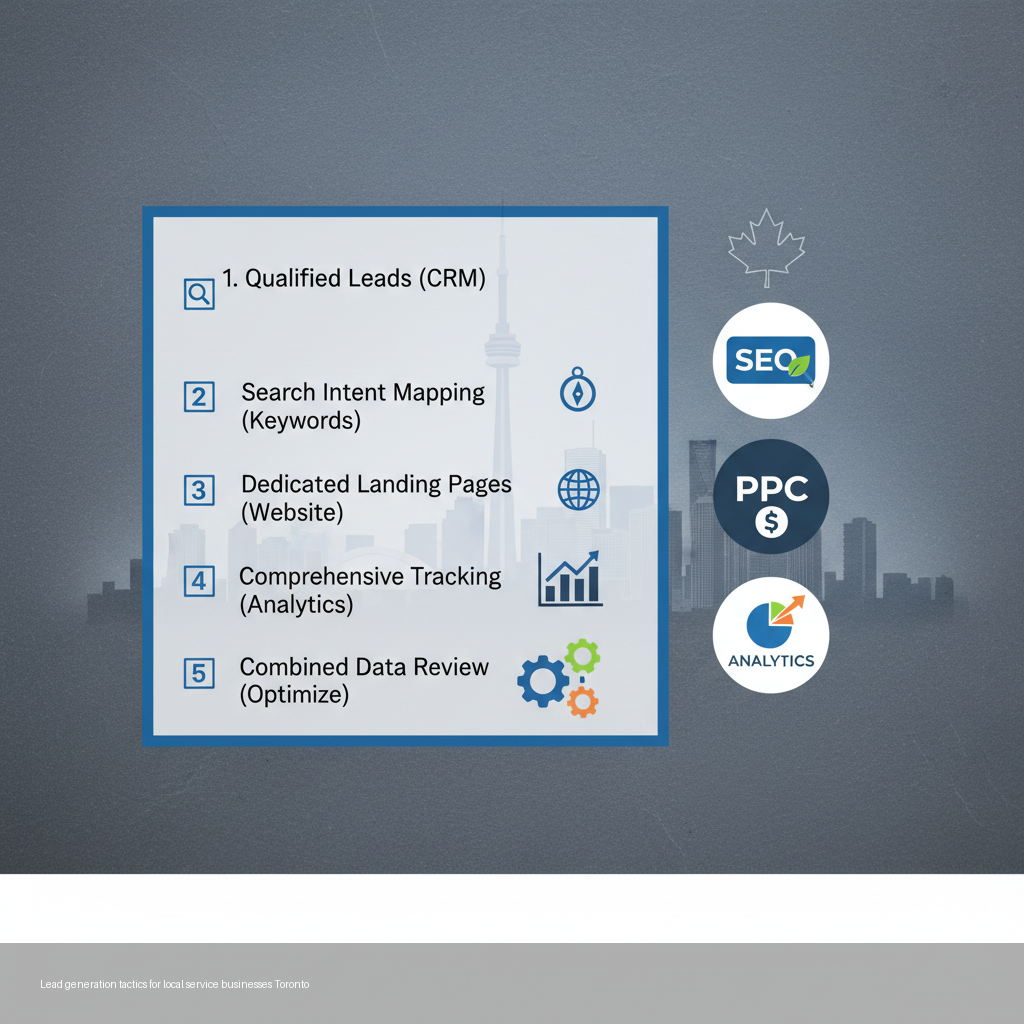
Lead generation tactics for local service businesses Toronto can be especially useful for florists, flower delivery companies, wedding floral designers, sympathy flower providers, event decorators, and plant studios. A floral business does not only need website visitors; it needs local customers who are ready to order bouquets, book consultations, request event proposals, or arrange same-day flower delivery in the right service area.
For a broader look at how service companies approach calls, forms, landing pages, SEO, and paid ads, this original guide on lead generation tactics for local service businesses Toronto explains the fundamentals. For a flower-focused business, the same SEO intent applies, but the strategy should be adapted to seasonal demand, local delivery zones, visual product pages, event inquiries, and urgent occasion-based searches.
Toronto flower customers often search with a clear need in mind: birthday flowers near me, wedding florist Toronto, sympathy flowers delivery, Valentine’s Day roses, corporate floral arrangements, or last-minute bouquet delivery. The strongest lead generation system helps those customers find the right page quickly, understand the florist’s service area, trust the work, and complete a call, order, quote request, or consultation booking without friction.
Quick Facts: Lead Generation for Toronto Floral Businesses
A practical summary for florists and flower-related service providers.
- What: A local lead generation system built around search visibility, flower service pages, delivery-area clarity, paid search, tracking, and conversion-friendly website design.
- Who: Florists, wedding floral designers, flower delivery services, event decorators, plant shops, sympathy flower providers, and corporate floral service businesses.
- Where: Toronto neighbourhoods such as Downtown Toronto, North York, Scarborough, Etobicoke, Midtown, East York, and nearby GTA communities.
- How: Local SEO, Google Business Profile optimization, Google Ads, seasonal landing pages, product-focused content, form tracking, call tracking, and follow-up workflows.
- Why: Floral businesses often depend on time-sensitive orders and high-trust event inquiries, so lead quality and response speed matter as much as traffic volume.
Why Flower Businesses Need a Local Lead Generation System
Flower purchases are often emotional, urgent, seasonal, or event-driven. Someone ordering sympathy flowers may need reassurance and speed. A wedding client may compare portfolios, packages, and consultation options. A corporate client may look for reliability and recurring service. A birthday customer may simply need a beautiful bouquet delivered today.
Because these buyer journeys are different, a floral website should not treat every visitor the same. A homepage can introduce the brand, but service-specific pages are usually better for converting high-intent searches. A customer searching for “wedding florist Toronto” should not have to dig through general flower delivery content. A visitor looking for “same-day flower delivery Scarborough” should see delivery details, cut-off times if available, contact options, and relevant floral categories.
This is where coordinated Digital Marketing Services can support a flower business. SEO, PPC, website design, content, and analytics work best when they are connected around real customer actions such as phone calls, quote requests, online orders, appointment bookings, and consultation forms.
Lead Generation Tactics for Local Service Businesses Toronto: A Flower Industry Version
For florists, the best lead generation mix depends on business model. A retail flower shop may need more local delivery visibility. A wedding floral studio may need portfolio-driven SEO and consultation forms. A sympathy flower provider may need clear trust signals and fast ordering paths. A corporate floral service may need pages that explain recurring arrangements, office delivery, and account-based ordering.
SEO Services can help a floral website appear for service, occasion, and location searches. This may include pages for wedding flowers, event florals, sympathy arrangements, birthday bouquets, corporate flowers, flower delivery zones, and neighbourhood-specific service information.
Google Ads Management can support time-sensitive searches, seasonal campaigns, and competitive flower categories. Paid search can be especially useful around peak floral periods, but campaigns still need careful keyword targeting, landing pages, conversion tracking, and negative keyword management.
A practical Toronto floral lead generation plan may include:
- Local SEO: Service pages, delivery-area language, Google Business Profile updates, reviews, and internal links help search engines understand what the florist offers and where it serves.
- Occasion-based pages: Pages for birthdays, anniversaries, sympathy, weddings, corporate events, holidays, and seasonal arrangements match how people search.
- Paid search campaigns: Google Ads can capture high-intent queries such as flower delivery, wedding florist, funeral flowers, and same-day bouquets.
- Conversion-focused design: Clear call buttons, order buttons, quote forms, consultation booking prompts, and mobile-friendly layouts help visitors act quickly.
- Tracking and reporting: GA4 events, call tracking, form tracking, and campaign data show which channels create useful inquiries instead of only measuring clicks.
Toronto Service Areas Matter for Florists
Toronto is not one single floral market. A florist serving Downtown Toronto may handle office towers, condos, hotels, restaurants, and event venues. A flower business in North York may serve families, homes, clinics, banquet halls, and local businesses. A Scarborough or Etobicoke flower delivery service may need clear neighbourhood coverage, delivery limits, and mobile ordering options.
Delivery-area clarity is especially important for flower businesses. If a customer is unsure whether a bouquet can be delivered to their neighbourhood, hospital, funeral home, office, or event venue, they may leave and choose another florist. A strong local page should make service area, delivery process, ordering method, and contact options easy to understand.
For GTA-wide floral businesses, nearby communities such as Markham, Vaughan, Richmond Hill, Mississauga, Brampton, Pickering, and Ajax may also matter. The goal is not to create thin pages with only city names changed. The better approach is to create useful pages that reflect real delivery capacity, customer needs, and floral services available in each area.
SEO, PPC, and Website Pages for Flower Lead Generation
Flower businesses often need both long-term visibility and short-term demand capture. SEO helps build visibility for local searches over time, while PPC can support immediate campaigns for urgent orders, seasonal promotions, and competitive flower delivery keywords.
SEO versus PPC for florists
SEO: SEO supports organic visibility for flower delivery, wedding flowers, sympathy arrangements, event florals, and local service-area searches.
- How it works: SEO improves website structure, page relevance, internal linking, technical health, and local signals.
- Best fit: Florists that want steady visibility for core services and neighbourhood searches.
- Example: A floral studio may create detailed wedding flower pages and location pages for Toronto service areas.
PPC: PPC helps a floral business appear for specific paid searches when customers are actively looking to order or inquire.
- How it works: Ads target selected keywords and send visitors to relevant flower service or landing pages.
- Best fit: Same-day flower delivery, holiday campaigns, wedding consultation pushes, and competitive local searches.
- Example: A florist may run paid search campaigns for Valentine’s Day, Mother’s Day, or sympathy flower delivery.
Combined SEO and PPC: The strongest approach often uses PPC to capture current demand while SEO builds durable visibility for floral services and locations.
Product pages versus service landing pages
Product pages: Bouquet, arrangement, and plant product pages are useful for shoppers who are ready to buy.
- Best fit: Online flower shops, delivery orders, gift bouquets, and seasonal arrangements.
- Important details: Product images, price clarity where available, delivery options, occasion categories, and simple checkout paths.
Service landing pages: Service pages are better for higher-consideration inquiries such as weddings, corporate flowers, event installations, and custom floral design.
- Best fit: Consultation-based floral services where visitors need to understand process, portfolio, and next steps.
- Important details: Gallery images, service descriptions, consultation forms, event information, and location coverage.
Technical fixes: Even beautiful floral websites can lose leads if pages are slow, mobile layouts are difficult, or forms do not track properly. Web Design and conversion improvements can support both SEO and paid traffic.
Search Intent for Flower Customers in Toronto
Flower-related searches can reveal a lot about customer intent. A person searching “same-day flower delivery Toronto” likely needs a fast purchase path. A person searching “wedding florist Toronto” may want galleries, style examples, consultation details, and trust signals. A person searching “funeral flowers Toronto” may need a respectful, simple page with clear ordering and delivery information.
Common intent categories for florists include:
- Urgent delivery intent: Same-day flowers, near me searches, hospital delivery, office delivery, and last-minute gifts.
- Occasion intent: Birthday flowers, anniversary bouquets, sympathy arrangements, get-well flowers, and holiday flowers.
- Event intent: Wedding flowers, bridal bouquets, centrepieces, ceremony florals, corporate events, and venue decoration.
- Local intent: Searches that include neighbourhoods such as Downtown Toronto, North York, Scarborough, Etobicoke, Midtown, or nearby GTA cities.
- Comparison intent: Visitors comparing portfolios, reviews, delivery policies, consultation options, or custom floral design experience.
The more closely a landing page matches the search intent, the easier it is for a customer to decide whether to call, order, or submit a request.
Website Elements That Help Florists Convert More Local Leads
A flower website must do more than look attractive. It should guide visitors toward the right next step based on why they came to the site. Visual design matters in the floral industry, but conversion clarity matters too.
Important conversion elements
- Clear phone and order buttons: Mobile visitors should be able to call, order, or request a quote without searching through the page.
- Service-area details: Delivery neighbourhoods, event service areas, and local coverage should be easy to find.
- Occasion navigation: Menus should help customers browse by occasion, service type, or delivery need.
- Portfolio images: Wedding and event floral inquiries often depend on visual trust, so galleries should be easy to view.
- Simple forms: Quote and consultation forms should ask for enough information to qualify the inquiry without overwhelming the customer.
- Review and trust signals: Reviews, business details, process explanations, and clear contact information reduce uncertainty.
Google Business Profile for Florists
Google Business Profile can influence local flower leads because many customers compare florists directly in search results before visiting a website. Photos, categories, reviews, products, services, hours, and contact details all help shape trust.
For florists, profile accuracy is especially important during holidays and peak seasons. If hours, phone numbers, delivery information, or website links are unclear, customers may move on quickly. A florist should also make sure the profile reflects actual services, such as flower delivery, wedding flowers, event florals, plants, or custom arrangements where applicable.
Reviews can also support decision-making. A wedding client may look for comments about creativity and professionalism. A delivery customer may care about freshness, timing, and communication. A sympathy flower customer may value care and sensitivity. These trust signals work alongside the website, not separately from it.
Seasonal Lead Generation for Flower Businesses
Florists often experience demand spikes around Valentine’s Day, Mother’s Day, graduations, prom season, wedding season, Thanksgiving, Christmas, and other local events. Seasonal planning should begin before customers start searching heavily, because SEO pages need time to be indexed and paid campaigns need time for setup and testing.
Seasonal pages should be specific and useful. A Valentine’s Day flower page, for example, may need bouquet categories, ordering instructions, delivery-area information, and clear calls to action. A wedding season page may focus more on consultations, style galleries, venue experience, and inquiry forms.
Paid search can help during peak periods, but campaigns should be closely monitored. Floral keywords can attract broad traffic, and not every click will match the florist’s delivery area, budget, or service type. Negative keywords, location targeting, and relevant landing pages help reduce wasted spend.
How to Measure Lead Quality for a Floral Business
Traffic alone does not show whether marketing is working. A florist should measure the actions that matter: calls, quote requests, consultation forms, online orders, delivery inquiries, and booked events. For higher-value services such as weddings and corporate florals, lead quality is often more important than raw inquiry volume.
Useful reporting may include:
- Calls by source: Which channels produce phone inquiries?
- Form submissions: Which pages generate wedding, event, sympathy, or corporate floral requests?
- Online orders: Which campaigns or pages support actual purchases?
- Location performance: Which neighbourhoods or delivery areas generate useful leads?
- Lead quality notes: Which inquiries match the florist’s services, budget, timeline, and service area?
- Missed calls: How many potential orders or consultations are lost because the phone was not answered?
Marketing reports become more useful when they connect search activity to real business outcomes. A florist may discover that one page drives many visits but few orders, while another page creates fewer visits but better inquiries.
Common Lead Generation Mistakes Florists Should Avoid
Many flower businesses already have attractive products and loyal customers, but their websites and campaigns may still lose potential leads. The problem is often not the flowers; it is the customer path.
- Sending every visitor to the homepage: A customer searching for wedding flowers or sympathy delivery should land on a page that matches that need.
- Unclear delivery areas: If customers cannot confirm whether the florist serves their location, they may not inquire.
- Weak mobile experience: Many flower orders happen on phones, so slow pages and hard-to-click buttons can reduce conversions.
- No tracking: Without call and form tracking, it is difficult to know which SEO or PPC efforts are producing useful leads.
- Thin seasonal pages: Holiday pages with little detail may not build trust or rank well.
- Ignoring lead follow-up: Wedding, event, and corporate inquiries often require timely responses and organized follow-up.
The fix is usually a combination of better intent matching, clearer pages, stronger tracking, and more disciplined follow-up.
Choosing a Digital Marketing Partner for a Flower Business
A flower business comparing marketing support should look for a partner that understands local search, seasonal demand, conversion paths, and lead tracking. A generic traffic campaign is not enough if it does not produce calls, orders, and qualified inquiries.
A good partner should ask about delivery areas, product categories, event services, average order types, busy seasons, response capacity, and how inquiries are handled. These questions shape the strategy. A wedding floral studio needs a different lead system than a same-day delivery florist, and a plant shop needs different pages than a corporate floral provider.
If you are comparing an SEO company, PPC specialist, or full-service agency, consider whether the website, ads, content, and reporting need to be improved together. When all parts of the funnel are connected, it becomes easier to see what is working and what should be refined.
Questions to ask before hiring support
- How will flower-related leads be defined? A wedding consultation, online bouquet order, and general contact form are different types of leads.
- Which conversions will be tracked? Calls, forms, order clicks, booking buttons, and quote requests may need separate tracking.
- How will seasonal campaigns be planned? Peak flower periods need preparation before demand reaches its highest point.
- How will local delivery areas be reflected? SEO and PPC should match actual service capacity.
- How will reports connect to business decisions? Reporting should help decide which pages, services, campaigns, and locations deserve more attention.
Building a Better Lead System for Toronto Florists
A strong flower lead generation system is built in cycles. First, clarify the florist’s services and service areas. Then build or improve the pages that match high-intent searches. Next, send the right traffic through SEO and PPC. Finally, track inquiries, review lead quality, and improve the customer path over time.
For Toronto floral businesses, this may mean improving wedding flower pages, creating stronger delivery-area content, setting up seasonal paid search campaigns, updating Google Business Profile, redesigning mobile order paths, or building better analytics dashboards.
Zigma Internet Marketing supports local businesses with SEO, Google Ads, web design and development, landing pages, content, social campaigns, analytics setup, dashboards, and performance optimization. Floral businesses that want to review their current funnel can contact Zigma by phone at (647) 556-6071 or email [email protected].
Need a clearer lead path for your flower business?
If your Toronto floral website needs stronger local SEO, better landing pages, clearer tracking, or a more focused SEO and PPC mix, review the current customer journey before increasing ad spend.
FAQs About Lead Generation for Toronto Flower Businesses
What is the best lead generation channel for a Toronto florist?
The best channel depends on the florist’s services. SEO is useful for long-term visibility across delivery, wedding, and occasion searches. Google Ads can help capture urgent or seasonal demand. Most flower businesses benefit from improving tracking and website conversion before scaling traffic.
Do florists need separate pages for different occasions?
Yes, occasion-based pages can help match customer intent. Birthday flowers, sympathy arrangements, wedding flowers, corporate florals, and holiday bouquets often attract different searches and require different information.
Can Google Ads work for flower delivery?
Google Ads can support flower delivery when campaigns target relevant local searches, use accurate location settings, and send visitors to pages that match the service. Tracking calls, forms, and orders is important so the florist can judge lead quality rather than only clicks.
How important is Google Business Profile for florists?
Google Business Profile is important because many customers compare nearby florists directly in local search results. Accurate hours, photos, reviews, services, contact details, and website links can all support trust and inquiries.
What should a wedding florist track?
A wedding florist should track consultation requests, form submissions, calls, source of inquiry, service area, event date, and lead quality. This helps separate casual browsing from serious event inquiries.